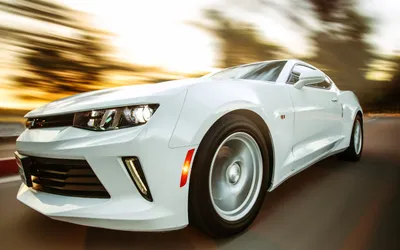

Backdating is a customization style where a newer car is modified to look like an older one. The mechanicals usually stay current or get upgraded; the bodywork, trim, wheels, and details get walked back to a specific period.
The approach is most famous in Porsche 911 circles. Singer Vehicle Design built its reputation taking 964-generation cars (1989–1994) and reworking them to look like the air-cooled 911s of the early 1970s. But the idea shows up well outside Porsche — modern Mustang owners adding late-’60s fastback styling, Civic owners running EK9 noses on later chassis, and Datsun 240Z builds pulling decades of “improvements” back off.
Backdating vs. Restoration vs. Restomod
The three terms get used interchangeably online, but they describe different goals.
| Term | What It Means | Main Goal |
|---|---|---|
| Restoration | Returning a car to factory-original condition | Preserve or recreate originality |
| Restomod | Keeping a classic body, upgrading mechanicals and interior | Modern usability on classic looks |
| Backdating | Taking a newer car and making it look older | Classic styling on a newer chassis |
A restored 1973 Porsche 911 starts with a 1973 911. A restomod 1973 911 also starts with a 1973 911, then gets a modern engine, brakes, suspension, and interior tech. A backdated 911 starts with something newer — typically a 964 or 993 — and gets reworked to look like the earlier car.
The buyer’s motivation is different in each case. Restoration is for originality. Restomods are for people who want classic looks with a car they can actually live with. Backdating is for people who want the look of a specific era but want to start with a newer, cheaper, more available chassis.
Why Porsche Built the Template
Most backdating conversation traces back to two reference points: Singer Vehicle Design, and the broader “Outlaw” 911 scene.
Singer takes customer-supplied 964s and rebuilds them as ground-up reinterpretations of early air-cooled cars. The work includes carbon body panels, period-correct details (Fuchs-style wheels, hood badges, bumper end caps), full mechanical refresh, and an interior nicer than anything Porsche shipped from the factory. Completed customer cars regularly trade at six- and seven-figure prices depending on the engine package and options.
The Outlaw scene — popularized by Magnus Walker and Rod Emory — is rougher and more individualistic. The aesthetic borrows from period race cars: Carrera RS-style ducktails, ST-style flares, plexiglass windows, lowered ride heights. Outlaw cars typically run as drivers, not show pieces, and the builds prize patina over perfection.
Both styles share the same underlying move: start with a 964 or 993 from the modern era, then revert the visual identity to something earlier.
Common Backdating Changes
The specific work depends on the donor car and target era. On a Porsche 964 being backdated toward a pre-1974 look:
- Front and rear fenders reshaped or replaced to delete the integrated impact bumpers
- Pre-impact-bumper front and rear panels grafted on, often with steel from older shells
- Fuchs wheels in 15 or 16 inches replacing the factory Cup-style or D90 alloys
- Round “Durant”-style side mirrors instead of the 964’s molded units
- Gauge cluster, trim, and seat reupholstery in patterns from earlier model years
On a modern Mustang going toward a 1969-style fastback look:
- Body kit with extended hood, fastback rear quarters, hood scoop, and side scoops
- 1969-style grille with corral and fog lights
- Side marker delete or relocation
- Wheels sized to match the period (15–17 inches, appropriate offset)
- Often paired with a stripe package — Bullitt green, Mach 1, or Boss livery
The depth varies. Some builds are body kit and wheels swapped in a weekend. Some are full metalwork rebuilds that take 18 to 24 months.
What It Costs
A casual backdate — body kit and wheels on an otherwise stock car — can land in the $5,000–$15,000 range with DIY labor, more with a shop. A serious metalwork backdate with a mechanical refresh climbs into restoration territory: $50,000 to $150,000+ depending on the donor and the quality of the work.
A Singer-level rebuild is a different category entirely. Customer cars typically run several hundred thousand dollars over the donor cost, with completed builds trading well into seven figures.
The economics aren’t always rational, and that’s part of the appeal. Backdaters are usually building the car they want to look at, not the one that pencils out on paper.
Resale and Originality Tradeoffs
Backdating reduces a car’s value as a stock example, then either creates a new value tier or doesn’t, depending on the quality of the build.
For a desirable, low-production donor — a 964 RS, a 993 Turbo, an original GT350 — backdating typically destroys collector value. A 964 RS cut up for a Singer-style build is worth less as the modified car than it was as the original. People with collector cars rarely backdate them for that reason.
For ordinary donors — base 964s, used Mustangs, the cheap end of the 911 market — backdating can move the car into a more saleable category. There’s an active buyer pool for Singer-style 911s, Outlaw cars, and 1969-styled Mustangs. The build quality has to support the asking price.
Titling matters too. In most states, a backdated car is still registered as its original model year. A 1989 911 reworked to look like a 1973 is still a 1989 car on paper, with 1989 emissions requirements, 1989 VIN structure, and 1989 insurance treatment. Some buyers like that. Some don’t.
When Backdating Is the Right Call
Backdating works best when:
- The donor is plentiful, affordable, and not a collector piece
- The owner wants period looks with newer-car reliability and parts availability
- The build is for keeping, not flipping
- The shop or builder has done the style before
It works poorly when:
- The donor is a low-production or matching-numbers car
- The owner expects the modified car to appreciate
- The build is rushed or the bodywork shortcut
- The same goal could be met more cheaply by buying an actual period car
The honest version of the math: if you want an early 911, an early 911 is usually the cheapest way to own one. Backdating exists because some people want the look without the brittleness — and because Singer made it culturally legitimate to spend supercar money on a car that started life as somebody’s daily-driver 964.