I have been to SEMA. I have done Monterey Car Week. I have walked the auction floor at Amelia Island before the gates open to the public. Those events are extraordinary, and I do not want to diminish them. But when I think about what actually keeps car culture alive at the ground level — the part that regenerates and recruits and stays healthy decade over decade — I think about the Saturday morning meet at the strip mall parking lot.
Cars and Coffee is not a brand. It is not a format. It is a rhythm, and that rhythm matters more than almost anything else in the enthusiast world right now.
Key takeaways
- Informal meets lower the barrier to entry in ways that ticketed, judged shows never can.
- The no-pressure format mixes generations, marques, and modification levels in the same space.
- Many of the most active regional clubs and dedicated shows trace their roots to a casual meet that kept showing up.
- Newer enthusiasts find their footing at Cars and Coffee before they are ready for a formal show environment.
- The health of a local car scene is often best measured by whether its informal meets are still running.
What makes an informal meet different
A ticketed car show has structure built into it. There are entry fees, judging classes, registration deadlines, and implicit rules about what belongs. That structure serves a purpose — it produces a curated field and creates a frame for competition and recognition. But it also raises the stakes in ways that keep people home.
An informal meet asks nothing. You show up. You park. People look at your car. If they want to talk about it, they walk over. If they want to move on, they do. There is no judge, no scorecard, no fee to justify whether what you brought is good enough. The result is a self-selecting field that spans everything from factory-stock commuters to full restomod builds, and that breadth is exactly what makes it interesting.
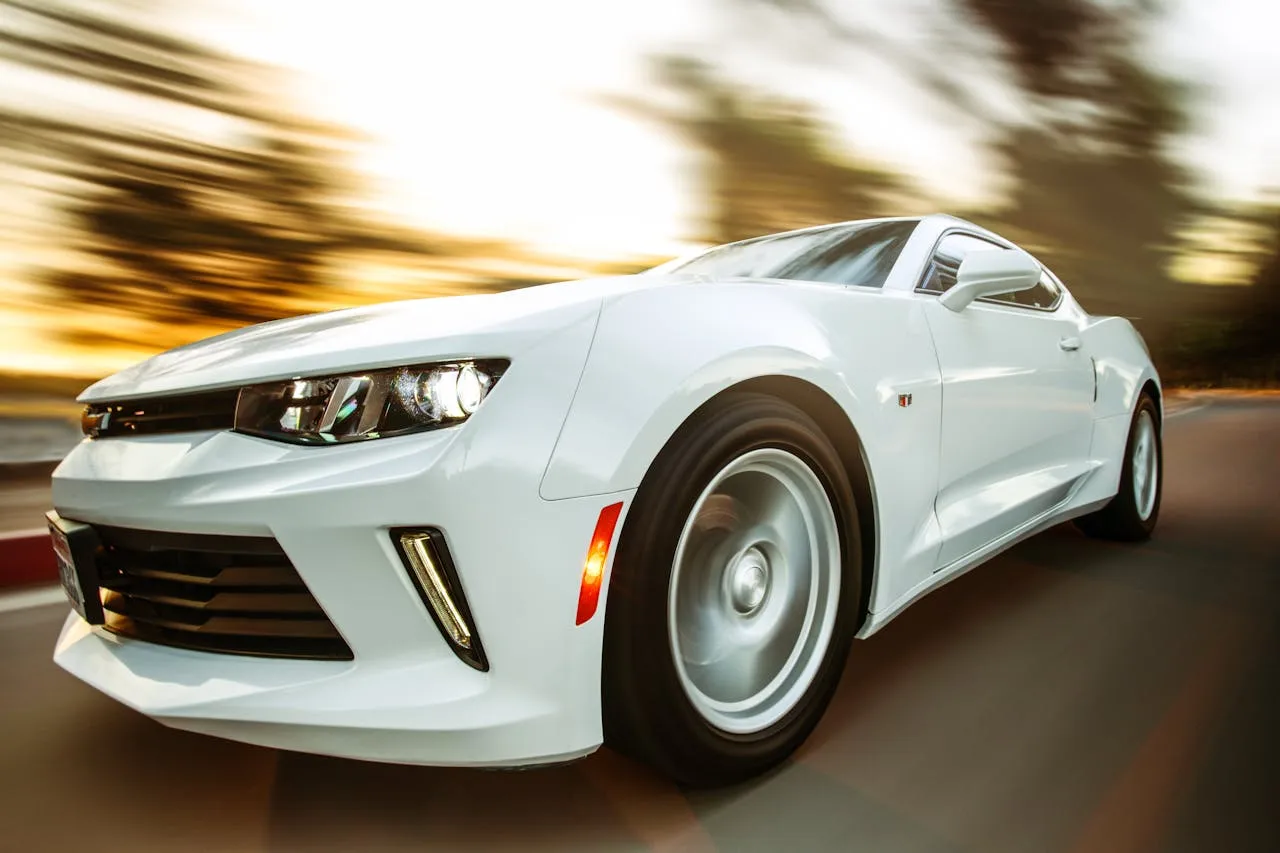
I have watched kids at Cars and Coffee stop in front of a bone-stock fourth-gen Camaro and spend twenty minutes asking the owner questions they clearly already knew the answers to. They were not interested in the car specifically. They were interested in the conversation, in being taken seriously by someone who had been doing this longer. That exchange does not happen easily at a formal show. At an informal meet, it happens constantly.
The generational mix
One of the quieter things Cars and Coffee does well is put different generations of enthusiast in the same place without any particular agenda. The 19-year-old with a coilovered Honda and the 60-year-old with a restored Buick Grand National are in the same lot, and neither of them came for the other. But they end up talking anyway, because that is what happens when you take the competitive element out of a shared interest.
That kind of cross-generational contact is increasingly rare, and it matters. Older enthusiasts carry knowledge — about how to find parts, how to approach restoration, which fabricators are worth trusting, which shows have gone downhill and which new ones are worth watching. Younger enthusiasts carry energy and a willingness to modify things in ways that challenge what the hobby has always assumed. When those two things mix in a low-pressure environment, both sides come away better informed.
The big shows tend to silo by era and category. Cars and Coffee tends not to. That is not always intentional; it is just what happens when the format is open.
How informal meets grow into something bigger
The Caffeine and Octane event in Atlanta — one of the largest monthly meets in the country with turnout that regularly exceeds 2,000 vehicles — started as a small gathering at a gas station. The Radwood format, which became a national touring show celebrating late-1980s through late-1990s vehicles, grew directly out of informal meets in the Bay Area where people kept showing up with era-correct cars and no particular plan. There are dozens of stories like this across the country if you look for them.
The pattern is consistent: a handful of people with a shared interest start meeting informally because there is no formal option that fits what they are into. They keep showing up. Word spreads. The group grows. At some point the meet acquires a name, a social media account, and eventually a regular venue relationship. A few years later it has a waiting list for feature spots and a reputation that draws visitors from three states away.
None of that happens without the informal start. The low-stakes format is not a stepping stone toward something more serious — it is the thing that makes the more serious thing possible.
What happens when the meet goes away
I have watched local meets die, and it is not dramatic. There is no announcement. Someone stops organizing. The venue changes its policy. A controversy goes sideways and nobody wants to deal with the fallout. The next Saturday comes and the lot is empty, and then the Saturday after that, and after a while people stop expecting it to happen.
What goes with it is harder to quantify. The informal community that had gathered around that lot disperses. Some people find another meet. Some drift away from the hobby entirely. The knowledge-sharing stops. The new faces stop showing up, because there is nowhere obvious to show up to.
This is not an abstract concern. In a lot of mid-sized cities, the informal meet is the only regular touchpoint the local car community has. The club meetings are for members. The track days are for people ready to commit. The Car and Coffee — the Saturday morning thing at the shopping center — is for everyone. When it disappears, that open door closes.
What keeps a meet healthy
The meets that last tend to have a few things in common. Someone takes loose ownership of the logistics — not in an official capacity, just in the sense that they are reliably there and reliably communicative. The venue relationship is managed, which usually means being respectful of the space, cleaning up after, and not doing anything that gives the property manager a reason to revisit the arrangement.
The culture policing is handled gently but firmly when it needs to be. Meets that develop a reputation for burnouts in the parking lot, aggressive driving on exit, or insular cliques that make new attendees feel unwelcome tend not to last. The ones that stay open, stay welcoming, and stay boring in all the right ways — those run for decades. Most of that etiquette never appears on a flyer, but the unwritten rules of Cars and Coffee are worth learning before your first one.
The car community is good at celebrating the dramatic. The 1,000-horsepower builds, the world-record runs, the showstopper concours restorations. Cars and Coffee is a celebration of the ordinary Saturday, and the ordinary Saturday is what the community is actually made of.
Bottom line
The big events matter and deserve the attention they get. But the informal meet — the weekly or monthly gathering with no judges, no tickets, and no agenda beyond showing up — is the connective tissue of local car culture. It recruits new enthusiasts, bridges generations, and gives the community somewhere to be between the major shows. That is not a small thing. It is most of the thing.