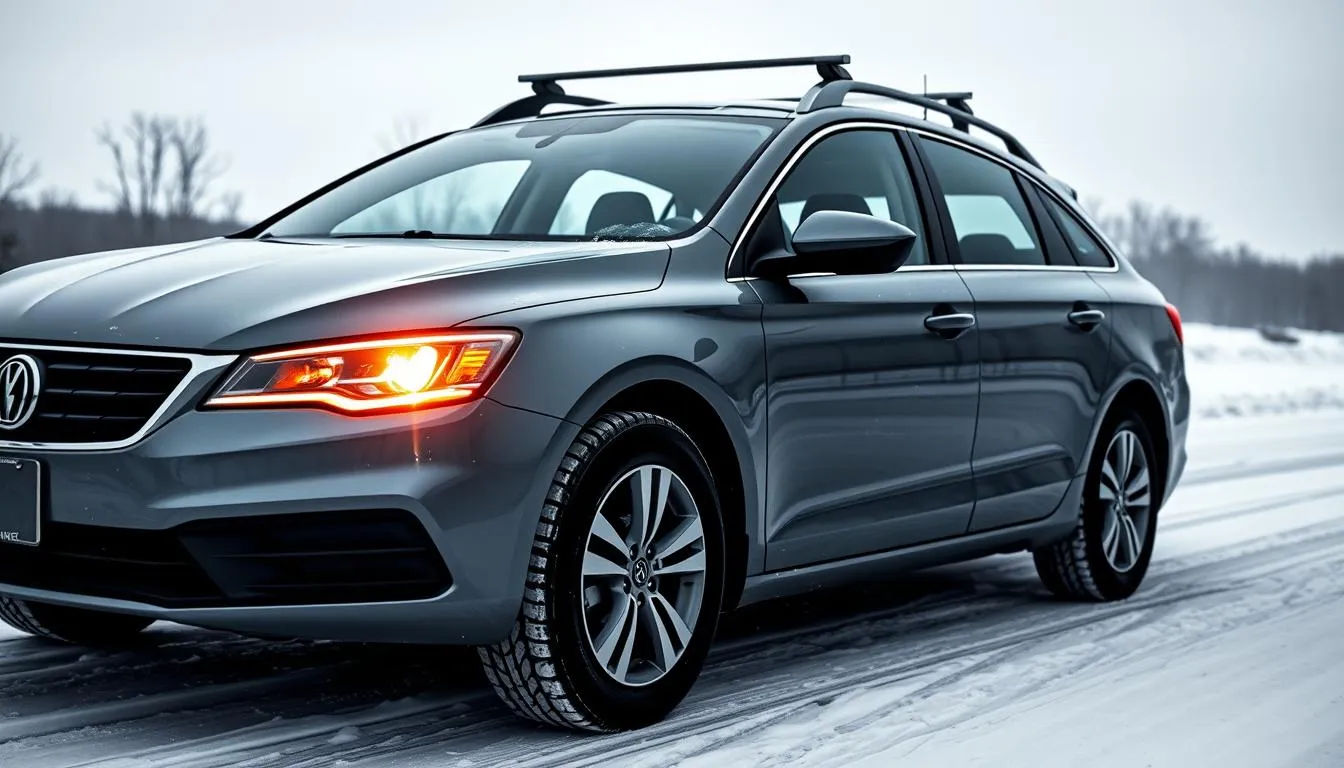
The first hard freeze always catches someone off guard. One morning you’re scraping ice with a credit card, sitting on a frozen seat, and squinting through streaky wipers that were fine in October. A few targeted upgrades before that morning arrives make winter driving genuinely more comfortable without turning your car into a project.
Key takeaways
- Heated seat cushions and steering wheel covers deliver the fastest comfort improvement per dollar
- Beam-style winter wipers outperform traditional frames in ice and snow buildup
- All-weather floor mats with raised edges are the single best interior protection investment
- A quality windshield treatment reduces ice adhesion and improves visibility in freezing rain
- Most of these upgrades install in minutes and transfer between vehicles
Heated seat cushions and steering wheel covers
Factory heated seats are great if your car has them. If it doesn’t, aftermarket heated cushions plug into the 12V outlet and start working in about two minutes. The Kingleting Heated Seat Cushion uses a 30/45-minute auto-shutoff timer and has three heat levels. It straps to the seat securely enough that it doesn’t slide around during highway driving.
For the steering wheel, the SEG Direct Heated Steering Wheel Cover fits most 14.5- to 15-inch wheels and heats up quickly from the same 12V connection. Cold hands on a steering wheel aren’t just uncomfortable — they reduce grip sensitivity and reaction time. This is a genuine safety upgrade disguised as a comfort product.
Both items run under $40 each and transfer easily if you switch vehicles. For a daily commuter who parks outside overnight, these two changes make the biggest difference in how the first ten minutes of your drive feel.
Wiper blades and windshield treatments
Standard wiper blades with exposed metal frames collect ice in the hinges and lose contact with the glass exactly when you need them most. Beam-style blades like the Bosch ICON use a single curved piece with no external frame, so ice has nothing to grab. They also apply more consistent pressure across the full sweep.
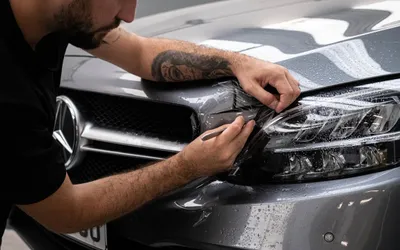
Pair upgraded wipers with a rain-repellent windshield treatment. Products like Rain-X or Aquapel create a hydrophobic layer that causes water to bead and roll off at speed. In freezing conditions, this layer also makes ice easier to scrape because it can’t bond directly to the glass. Apply it once in November and it lasts through most of the season.
Don’t overlook washer fluid. Switch to a winter-rated formula with a lower freeze point, ideally rated to -20F or below. Summer washer fluid can freeze on your windshield mid-spray, which is exactly as dangerous as it sounds.
All-weather floor mats
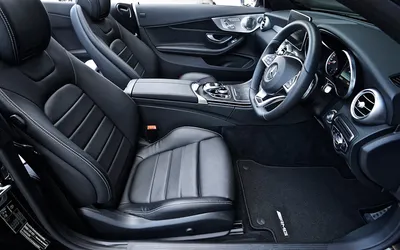
Road salt, slush, and wet boots destroy carpet faster than almost anything else. A set of purpose-built all-weather mats with raised edges contains the mess instead of letting it soak through to the floor pan. The WeatherTech FloorLiners are the category standard — laser-measured for specific vehicles with high walls that trap everything.
If you want solid protection without the custom-fit price, the OEDRO Floor Mats offer vehicle-specific fitment for many popular models at a lower cost. They use a similar raised-edge design and TPE material that stays flexible in cold temperatures.
Pull the mats out every week or two during salt season, dump the collected slush, and rinse them with a hose. That simple habit prevents the standing salt water that causes carpet stains and that musty winter smell that’s hard to get rid of once it sets in.
Defrost and visibility helpers
A fabric windshield cover placed over the glass the night before eliminates the morning scrape entirely. It adds 30 seconds to your evening routine and saves five to ten minutes the next morning. Look for one with magnetic or mirror-strap attachments so it stays put in wind.
For the defroster itself, there’s not much you can do to speed up the factory system, but you can make sure it’s working properly. Check that the rear defroster grid is intact and that cabin air filters are fresh. A clogged filter restricts airflow through the HVAC system, which means slower defrost and more interior fog.
Keep a small squeegee or a proper ice scraper with a brush in the car at all times. The Hopkins Subzero Ice Crusher has a heavy-duty scraper blade and a foam grip that doesn’t freeze to your hand. The brass blade won’t scratch glass, and the whole thing is compact enough for a door pocket.
Emergency cold-weather additions
Beyond comfort, a few cold-weather essentials belong in the car from November through March. A compact jump starter handles the dead battery that always happens on the coldest morning of the year. A small bag with gloves, a mylar blanket, and a phone charger cable lives in the trunk and weighs nothing.
Tire pressure drops roughly one PSI for every ten-degree temperature change. A portable inflator like the ones that run off your 12V port lets you correct that in a parking lot instead of driving on underinflated tires to the nearest gas station air pump. Check pressures at least once a month through winter — the TPMS light comes on at a threshold well below optimal.
Helpful references
Bottom line
Winter comfort upgrades don’t need to be expensive or complicated. A heated cushion, beam wipers, proper floor mats, and a windshield cover handle 90% of what makes cold-weather commuting miserable. Install them before the first freeze and you’ll wonder why you waited.