
Cold-weather gear earns its keep only when it solves a real winter problem. January is the right time to check what actually deserves trunk space and what is just seasonal clutter.
For most drivers, the most valuable winter accessories are the ones that help with low temperatures, low traction, and low visibility without turning the cargo area into a storage closet.
Key takeaways
- Carry tools that solve cold starts, icy glass, and wet roadside work.
- A few quality items beat an oversized kit full of filler.
- Traction, battery support, and hand comfort matter more than gimmicks.
- Choose gear sized for your actual climate and commute.
- Store winter gear where it is easy to grab with gloves on.
Prioritize cold-start and visibility problems
If winter strands you, the cause is usually simple: low battery output, iced-over glass, reduced tire grip, or poor visibility in sleet and spray. Gear that directly supports those problems deserves first consideration.
That means a scraper or brush that is actually sturdy, gloves you can work in, and either a jump starter or a plan for easy battery support.
Pack comfort items that double as practical tools
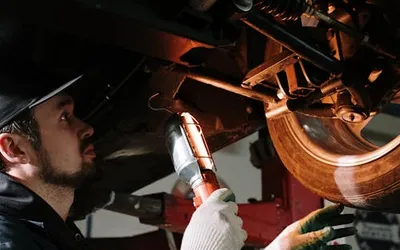
A blanket, waterproof gloves, and a small light are not glamorous purchases, but they make every other task easier. The difference between a frustrating fifteen-minute stop and a manageable one is often whether you can stay warm and see clearly while you work.
This is also where a compact tote wins. Grouping winter essentials together means you are not searching the whole trunk for a flashlight while snow blows into the cabin.
Match the kit to your route, not someone else’s weather
A city commuter may need de-icer, a glass cleaner, and a battery booster more than heavy recovery gear. A driver who spends weekends on two-lane roads may want traction aids and a bigger light. Build around where the car actually goes.
The same logic applies to clothing layers and spare hats. If your vehicle breaks down ten minutes from home, your needs are different from a two-hour highway drive at night.
Quick shopping links
These links point to stable shopping categories rather than one short-lived listing, which makes the article easier to maintain over time.
Jump starters
The best pick is the one you will keep charged and know how to use.
Work gloves
Choose gloves that balance insulation with enough dexterity for wipers, battery clamps, and tire-valve caps.
Ice scrapers
Buy a tool that clears the whole windshield efficiently instead of a flimsy gas-station backup.
Roadside lights
Helpful for dark shoulder stops and winter breakdowns.
Compact storage totes
An organizer keeps winter gear from scattering under shopping bags and sports equipment.
Helpful references
Prices and availability can change quickly. For articles scheduled in earlier years, these drafts use durable category-level shopping links so the advice stays relevant even as specific listings rotate.
Bottom line
The best affiliate-friendly automotive article is the one that helps the reader buy one sensible thing they will actually use, not a cart full of impulse accessories. When a product category is framed around fit, reliability, and use case, the article stays useful much longer.
For Chariotz, that means leaning into durable buying advice, clear tradeoffs, and category-level shopping links that can be updated later with specific products once inventory and testing notes are locked in.