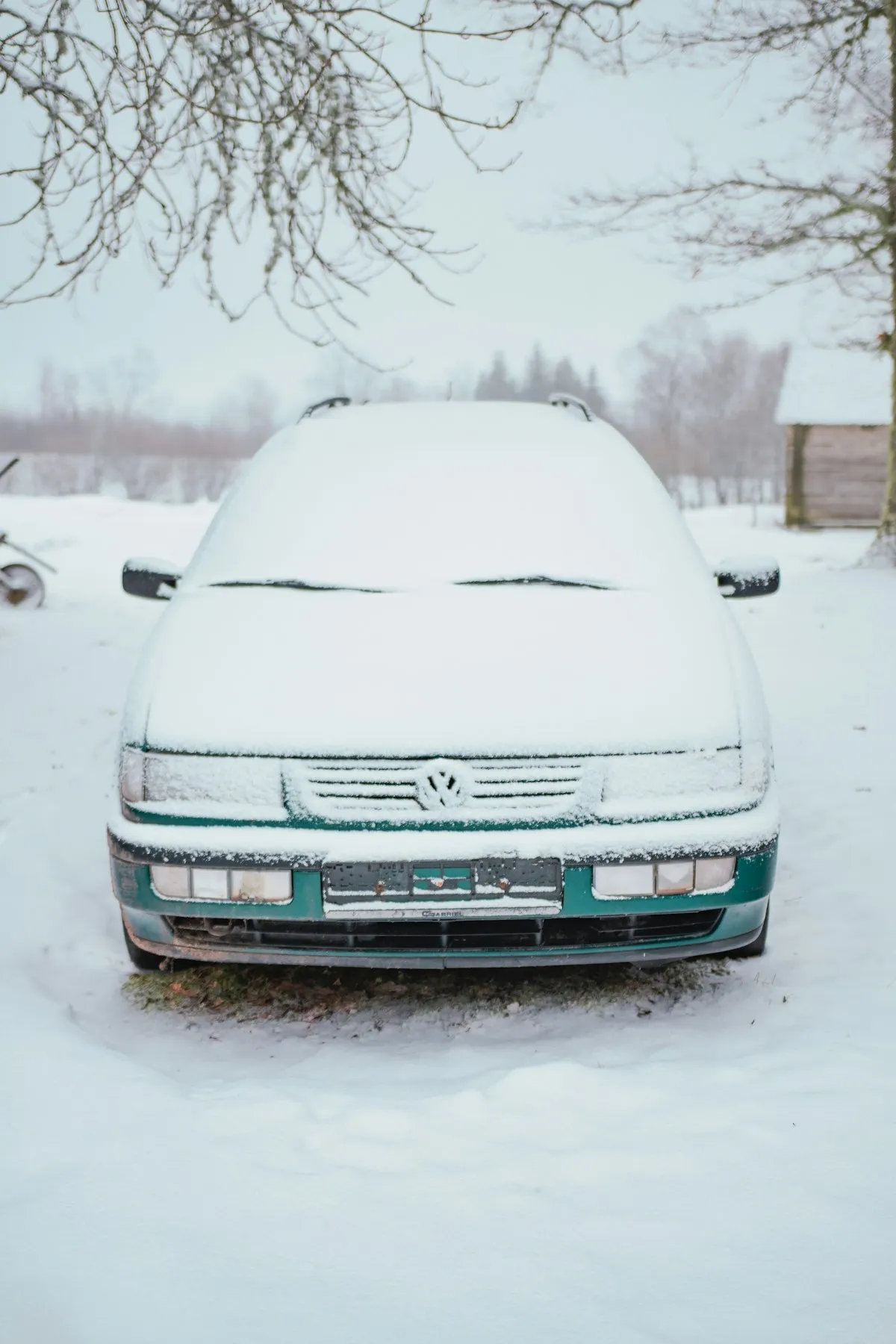
Winter problems rarely arrive one at a time. A dead battery, a slow leak, slush on the shoulder, and a phone at 15 percent is how a normal drive turns into a long hour. A compact emergency kit is not exciting content, but it is one of the smartest things to keep in every car once temperatures start dropping.
The goal is not to pack the trunk like an expedition vehicle. It is to cover the most common cold-weather problems with gear that is small, dependable, and easy to use on the side of the road.
Key takeaways
- A winter kit should focus on warmth, visibility, power, and basic self-recovery.
- A jump starter is more useful than jumper cables when traffic is light or parking is awkward.
- Gloves, a flashlight, and a compact blanket matter as much as tools.
- Choose gear that works in real cold, not just in product photos.
- Check your kit at the start and end of winter so batteries and packaged items do not expire unnoticed.
Build around the most likely problems
Most drivers do not need recovery boards and off-road shovels in the trunk. They do need a way to deal with low battery voltage, poor visibility, cold hands, and the possibility of waiting for help in bad weather.
That is why the backbone of a simple winter kit is a jump starter or cables, a flashlight, gloves, a scraper or snow brush, and something warm enough to make a delay bearable.
Add the small items that make roadside work possible
It is difficult to check a tire or connect battery clamps when your hands are numb and the only light source is a phone you are trying to conserve. Keep a compact towel, nitrile or work gloves, and a small headlamp or flashlight in the same bag as the mechanical gear.
A reflective vest or triangles can also be worth the space if you regularly drive before dawn, after dark, or through weather that reduces visibility.
Store it so you can reach it fast
The best winter kit is packed where you can grab it immediately. If the brush is buried under cargo and the jump starter is uncharged at the bottom of a duffel, the kit exists only in theory.
Use a small tote or organizer, keep electronics topped up, and remove anything that has melted, leaked, or stopped holding a charge from the previous season.
Quick shopping links
These links point to stable shopping categories rather than one short-lived listing, which makes the article easier to maintain over time.
Portable jump starters
Choose a unit with clear polarity protection, straightforward clamps, and enough capacity for your engine size.
Snow brushes and ice scrapers
A sturdy brush with a comfortable handle beats the tiny disposable scraper that lives in too many trunks.
Warm blankets
Pick something more usable than a novelty foil sheet if you drive in serious cold.
Rechargeable flashlights
A bright, simple light is easier to trust than using a phone for everything.
Reflective safety gear
A vest or warning light helps other drivers see you before they see the disabled vehicle.
Helpful references
Prices and availability can change quickly. For articles scheduled in earlier years, these drafts use durable category-level shopping links so the advice stays relevant even as specific listings rotate.
Bottom line
The best affiliate-friendly automotive article is the one that helps the reader buy one sensible thing they will actually use, not a cart full of impulse accessories. When a product category is framed around fit, reliability, and use case, the article stays useful much longer.
For Chariotz, that means leaning into durable buying advice, clear tradeoffs, and category-level shopping links that can be updated later with specific products once inventory and testing notes are locked in.