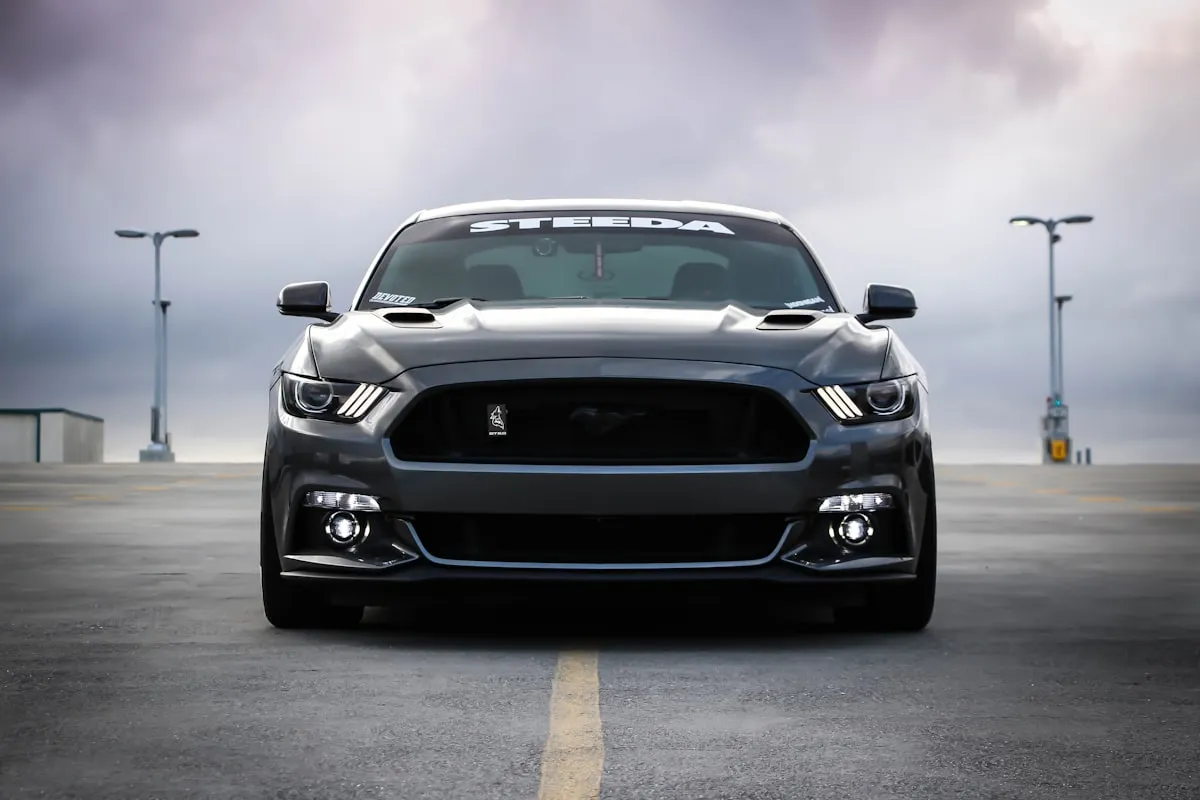
Lighting upgrades are one of the fastest ways to make a car look and feel more modern, but they are also one of the easiest to get wrong. Ice-blue headlight bulbs that blind oncoming traffic, underglow kits that scream 2004, and cheap LED strips that die within months — the lighting aisle is full of products that create more problems than they solve.
Key takeaways
- LED headlight bulbs only work properly in housings designed for them — reflector housings scatter the light and blind other drivers.
- Interior LED swaps in warm white (4000-5000K) look clean without the clinical feel of cool-white bulbs.
- Footwell and trunk lighting are low-risk, high-reward upgrades that improve daily usability.
- Fog light LEDs should match your headlight color temperature to avoid a mismatched look.
- Skip any product that promises “HID-level brightness” from a plug-and-play LED bulb in a halogen housing.
Headlight upgrades: do them right or skip them
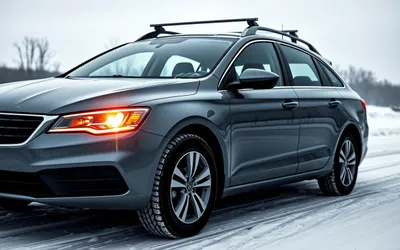
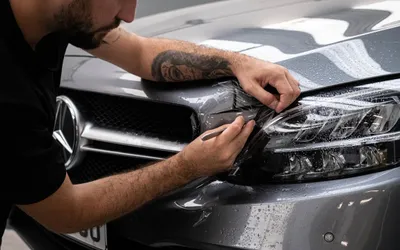
The most impactful lighting upgrade on any car is also the one most commonly botched. LED headlight bulbs dropped into halogen reflector housings create scattered, unfocused light that glares into oncoming traffic without actually improving your visibility. The beam pattern is wrong because the housing was designed for a halogen filament, not an LED chip.
If your car has projector-style headlights, quality LED bulbs can work well. The projector lens focuses the light into a controlled beam pattern regardless of the light source. Look for bulbs with a chip layout that mimics the position of the halogen filament — this matters for cutoff sharpness and beam focus.
For cars with reflector housings, the better upgrade path is a full projector retrofit or an OEM-style LED headlight assembly if one is available for your model. These cost more than drop-in bulbs, but they actually deliver the visibility improvement you are paying for without creating a hazard for everyone else on the road.
Color temperature matters too. Stick with 5000K to 6000K for headlights. That range produces a clean white light that is easy on your eyes during long drives. Anything above 6500K starts looking blue and actually reduces visibility in rain and fog because blue light scatters more in moisture.
Interior LEDs: warm white wins
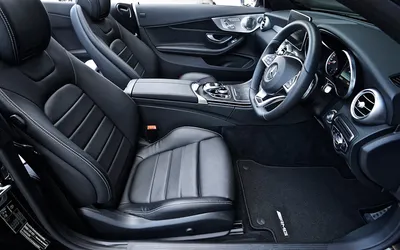
Swapping your dome lights, map lights, and trunk light to LEDs is a 15-minute job that makes the inside of your car feel significantly more modern. Factory incandescent bulbs produce a dim, yellowish glow. LEDs are brighter and more efficient.
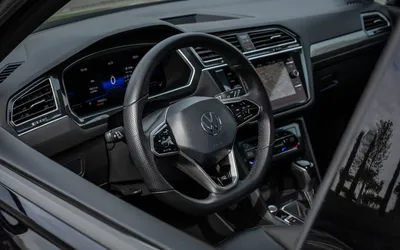
The common mistake is buying the brightest, coolest-white LEDs available. A 6500K interior light makes your cabin look like a dentist’s office. Aim for 4000K to 5000K — warm white to neutral white. The light will still be noticeably brighter and cleaner than stock, but it will feel inviting rather than clinical.
Match all your interior bulbs to the same color temperature. Mixing warm and cool LEDs inside the cabin creates a disjointed look that cheapens the interior rather than improving it.
Footwell and cargo lighting: practical and subtle
Adding LED strips to the footwells is one of the few lighting modifications that improves both aesthetics and daily usability. A soft, warm glow under the dash makes it easier to find dropped items, see the pedals when getting in at night, and gives the cabin a more premium feel.
Use strips with a dimmer or choose ones that activate with the dome light circuit so they turn on when you open the door and off when you start driving. Strips that stay on while driving are distracting and, depending on local laws, may not be legal if they are visible from outside the vehicle.
Trunk and cargo area lighting follows the same logic. Most factory trunk lights are a single dim bulb tucked in a corner. Adding a strip or upgrading to a brighter LED module means you can actually see what is in your trunk after dark. Practical, inexpensive, and impossible to overdo.
Fog lights and accent lighting
If your car has factory fog lights, matching them to your headlight color temperature creates a cohesive look. LED fog light bulbs in projector-style fog housings work well. In reflector fog housings, the same caution about scatter applies as with headlights.
For accent lighting — like DRL strips or sequential turn signal modules — quality matters enormously. Cheap strips from unknown brands tend to have visible hot spots where individual LEDs are brighter than their neighbors, uneven color, and short lifespans. Buy from brands with verifiable reviews and return policies.
Avoid adding colored lighting to any location visible from the front or rear of the car while driving. Blue, red, and green lights visible from the road can result in traffic stops and citations in most states, regardless of how they look.
The “less is more” rule
The best lighting upgrades are the ones that make people say “your car looks really clean” without being able to pinpoint exactly what changed. Warm interior LEDs, properly installed headlight upgrades, and subtle footwell lighting all create that effect. Anything that makes your car look like a gaming PC on wheels is going in the wrong direction for a daily driver.
Helpful references
- NHTSA Vehicle Safety Resources — Federal lighting standards and safety information
- Daniel Stern Lighting — Technical resource on headlight design and legality
Bottom line
Lighting upgrades work best when they improve visibility and comfort without creating glare or visual clutter. Match your bulbs to your housings, keep interior colors warm, and resist the urge to light up every panel. The goal is a cleaner, more functional car — not a light show.