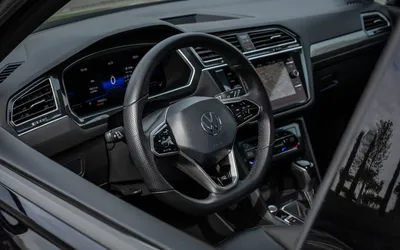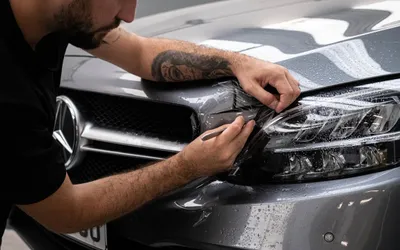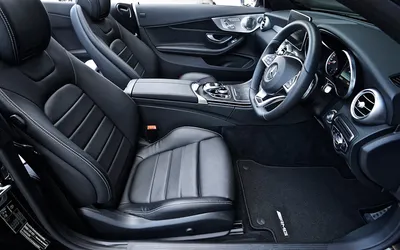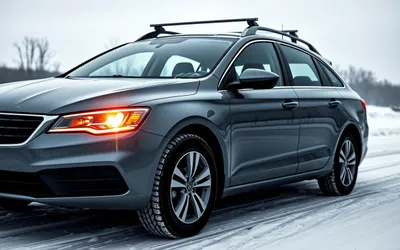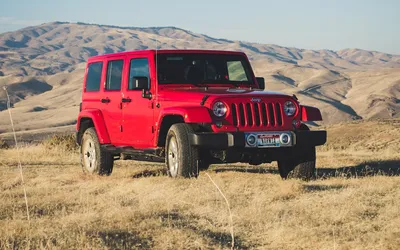
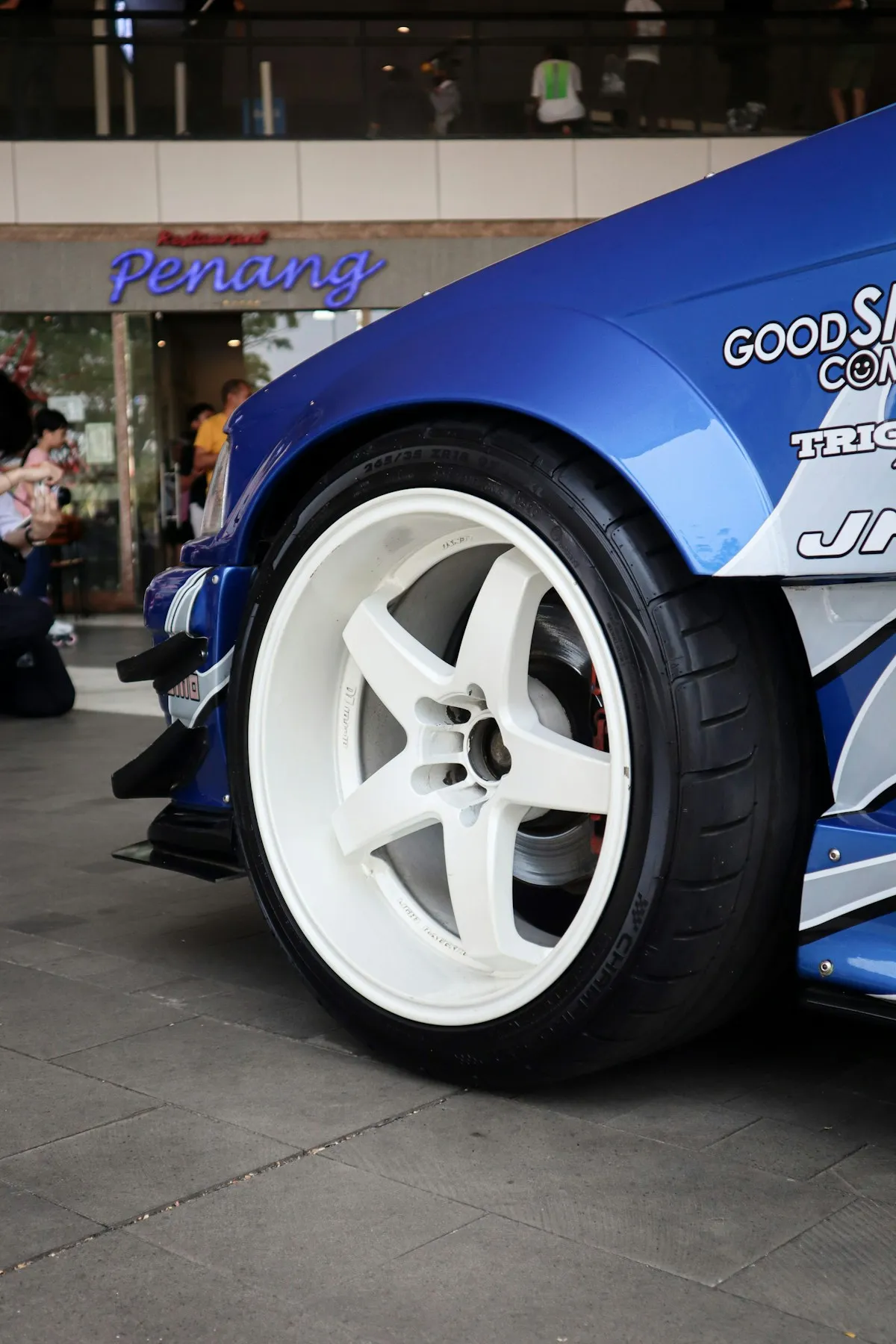
The safest appearance mods for resale share two traits: they’re reversible and they look like something the factory could have offered. Quality wheels (with the originals kept), paint protection film, subtle legal tint, and tasteful lighting rarely cost you at sale time. Permanent, taste-specific changes — loud exhausts, ECU tunes, body cuts, aggressive stance — are what make the next buyer nervous. Keep the receipts and the stock parts, and most upgrades stay neutral or even help.
Key takeaways
- Reversible mods protect resale; permanent, personalized ones narrow your buyer pool.
- Keep every original part you remove — boxed stock wheels and trim are worth real money at sale time.
- Quality of execution matters more than the mod itself; cheap wrap edges and bad wiring scare buyers fast.
- Tunes and loud exhausts trigger the “what else did they do?” reaction more than any cosmetic change.
- A few mods (PPF, well-chosen wheels with records) can actually add or hold value.
The rule: reversible and “factory-plus”
A buyer pays for a car they can understand. A clean wheel-and-tire setup, a protective film, or a subtle lighting upgrade reads as “cared for.” A chopped bumper, slammed stance, or a tune of unknown origin reads as “project car with hidden history.” The first costs nothing at resale; the second costs you buyers and dollars.
The practical test before any mod: can I put it back to stock in an afternoon, and do I still have the parts? If yes, resale risk is low.
Mods rated by resale impact
| Modification | Resale impact | Why | Tip |
|---|---|---|---|
| Quality wheels + tires | Safe/neutral | Broad appeal if tasteful | Keep the factory wheels |
| Paint protection film (PPF) | Safe (can add value) | Protects the finish underneath | Keep install records |
| Legal window tint | Neutral | Wanted by most buyers | Stay within your state’s VLT limit |
| Subtle LED interior/exterior lighting | Neutral | Reversible, low cost | Avoid illegal colors |
| Quality vinyl wrap | Neutral | Reversible; protects paint | Pro install; original paint stays clean |
| Mild lowering springs | Slightly risky | Some buyers like it, some don’t | Keep stock springs |
| Aftermarket exhaust (loud) | Risky | Drone and attention turn buyers off | Keep the factory exhaust |
| ECU tune | Risky | Warranty and reliability worries | Return to stock map to sell |
| Body kit / bumper cuts | Risky | Permanent, taste-specific | Hard to undo, narrows buyers |
| Aggressive camber / stance | Risky | Signals hard use, uneven tire wear | Niche buyer pool only |
| Cheap LED headlight retrofits | Risky | Glare, fails inspection | Use proper housings or skip |
Keep the original parts
This is the single most valuable habit for a resale-conscious owner. The factory wheels, the stock exhaust, the OEM headlights — box them, label them, store them dry. Two things happen when you do: you can return the car to a known-good baseline to sell, and you can often sell the takeoff parts separately. Buyers (and dealers) discount hard for “no stock parts available,” because returning the car to standard becomes their problem.
What actually scares buyers
Cosmetic mods rarely kill a deal. What kills deals is the implication of mechanical modification. A tune, a loud exhaust, or a cold-air intake makes a careful buyer wonder how hard the car was driven and what else was changed. If you’ve modified the drivetrain, documentation is your friend — reputable shop invoices, the tune file, and a clean maintenance record reassure the small pool of buyers who want a modified car, and let everyone else mentally “return it to stock.”
When a mod can hold or add value
It’s the exception, not the rule, but it happens:
- PPF / clear bra: the paint under it is protected, so the car presents better and the film is a selling point.
- Well-chosen wheels with records: a quality, period- or trim-appropriate wheel set can appeal to enthusiasts — especially with the stockers included.
- OEM+ upgrades: factory options retrofitted correctly (better head unit, upgraded headlights from a higher trim) tend to read as improvements rather than mods.
The common thread: quality execution, broad taste, and paperwork.
Quick decision check
Before you buy, ask:
- Is it reversible, and will I keep the original part?
- Would a typical buyer — not just an enthusiast — see this as an improvement?
- Is the execution good enough that it adds confidence, not questions?
Three yeses means the mod is resale-safe. A no on any of them means budget for the value hit, or skip it. For the changes most likely to backfire, see Car Mods You May Regret.
Helpful references
Keep reading on Chariotz
- Car Mods You May Regret: Three Mistakes to Avoid
- Car Upgrades You Might Want to Skip
- Paint Protection Film vs Vinyl Wrap: Which to Choose
- Top Rim Styles and How to Choose Wheels That Fit Right
- Customizing a Car on a Budget Without Wasting Money
- Car Window Tinting Cost: Prices by Tint Type and Vehicle
- Explore more car customization guides