
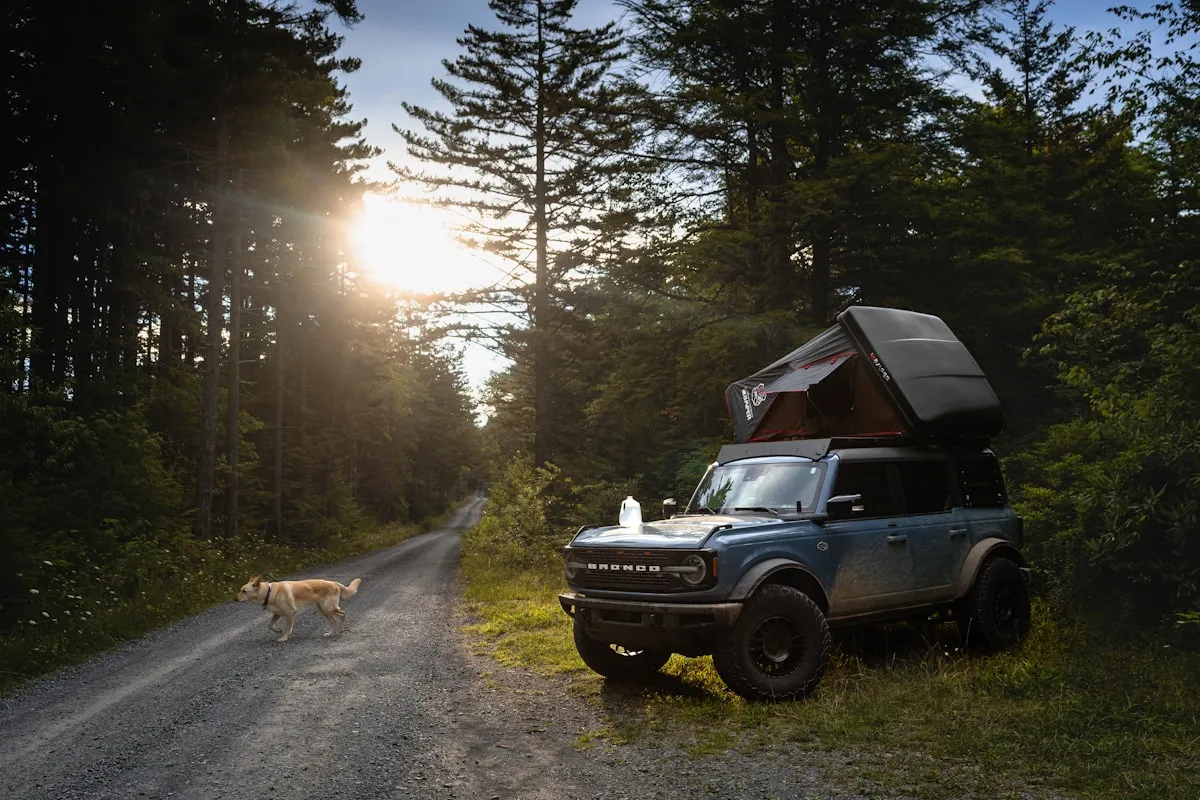
Beginner overlanding mods go wrong when the vehicle becomes more dramatic than usable. A daily driver that also sees weekend trail or camping duty needs upgrades that add capability without turning commutes, parking garages, and fuel stops into constant reminders of the build.
The most successful first mods are usually the ones that support tires, storage, and protection sensibly.
Key takeaways
- Start with tires, recovery basics, and cargo organization before dramatic hardware.
- Weight and wind resistance can make a daily driver worse quickly.
- A mild approach often delivers more real use than a full aesthetic makeover.
- Choose gear around actual trips, not overlanding social media fantasies.
- Comfort matters if the vehicle still does weekday duty.
Capability starts with the contact patch and storage
A practical tire choice and organized cargo plan influence real trip success more than giant racks or decorative hardware. Tires help the vehicle work better everywhere, while organized storage keeps tools and supplies accessible when the car is packed.
Those are the sorts of upgrades that still make sense on Monday morning.
Weight is the hidden beginner mistake
Every accessory looks useful until the fuel economy drops, the roof becomes noisier, and the suspension feels overworked. Beginners often benefit from adding less than they think and only expanding once actual trips expose a real need.
That keeps the vehicle comfortable enough to remain a pleasant daily driver.
Build for the trips you really take
If the vehicle sees mild trails, campsites, and forest roads, the right build is different from a dedicated backcountry rig. Matching the mods to the route protects the budget and makes the end result more coherent.
Good beginner overlanding is less about image and more about honest utility.
Helpful references
Bottom line
Good automotive culture usually comes down to thoughtful execution. The cleanest build, the best event prep, and the most satisfying upgrades are the ones that respect how the car is actually used.
That keeps the article grounded, useful, and aligned with the kind of readers most likely to return to the site.