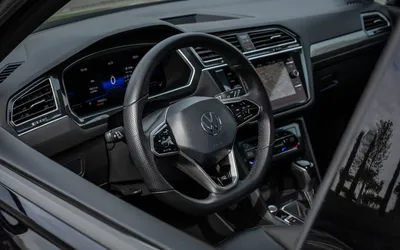
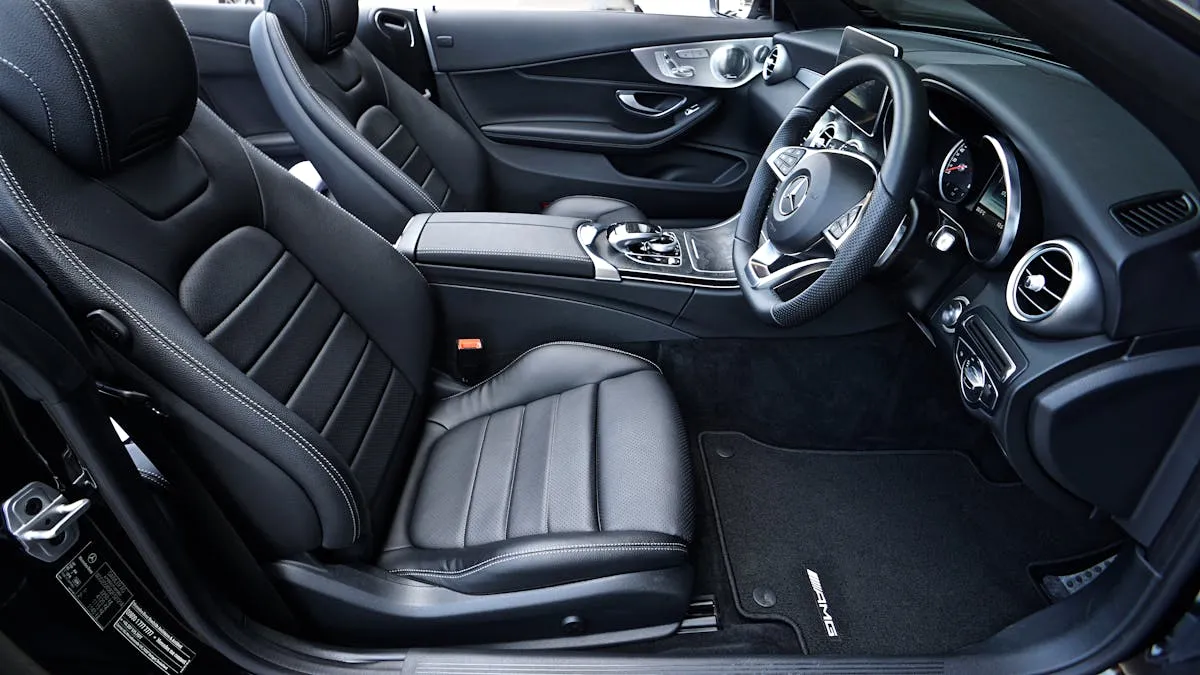
The difference between a car interior that ages gracefully and one that looks like a clearance aisle at five years old usually comes down to material choices and fit tolerance. Factory-sourced upgrades — parts from higher trim levels, OEM accessory catalogs, and genuine dealer options — are designed to match the color, texture, and mounting points of your specific vehicle. Cheap universal accessories are designed to photograph well on a product listing page. Those are fundamentally different goals.
Key takeaways
- Parts from higher trim levels of your own model (sport pedals, illuminated sills, leather shift boots) bolt in perfectly and look factory because they are factory.
- OEM all-weather floor mats and cargo liners fit better, last longer, and protect resale value more effectively than universal aftermarket mats.
- Dealer accessory catalogs are underrated — many offer interior trim pieces, ambient lighting kits, and cargo organizers designed specifically for your vehicle.
- Cheap adhesive-backed accessories (phone mounts, dash trim overlays, vent clips) damage surfaces, rattle, and cheapen the cabin within months.
- The OEM+ philosophy: if it looks like it could have come from the factory, it belongs. If it looks bolted-on, glued-on, or forced, it does not.
Start with higher trim parts from your own model
Every manufacturer builds multiple trim levels from the same platform, and the interior parts are almost always direct-fit across trims. A base-model Civic and a Civic Sport share mounting points for door sill plates, shift knobs, pedal covers, and steering wheel trim. Upgrading to the sport or touring-level parts gives you a noticeable improvement that looks completely integrated because it was engineered for your car.
Common OEM+ interior swaps that work across most brands:
- Aluminum or stainless sport pedal covers from the sport or performance trim. These typically clip or bolt over the existing rubber pedal pads and transform the footwell appearance. Genuine BMW M Performance pedals, Honda Sport pedals, and Hyundai N-Line pedals are all widely available through dealers and online OEM parts suppliers.
- Illuminated door sill plates from the top trim or factory accessory catalog. These light up when the door opens and protect the paint on the sill from scuff marks. Most use a small battery or connect to the existing door wiring. OEM versions sit flush with the sill profile; aftermarket versions almost never do.
- Leather or alcantara shift boot and knob from the premium trim. This is one of the highest-touch surfaces in the cabin, and upgrading from a rubber-covered knob to a weighted leather one changes how the car feels to drive.
The cost is typically $50–200 per part through OEM parts websites like OEMpartsonline, Courtesy Parts, or the manufacturer’s own parts portal. That is less than most aftermarket equivalents and the fit is guaranteed.
OEM floor mats and cargo liners are not boring — they are correct
Universal floor mats from big-box stores leave gaps, shift around, and frequently interfere with pedal operation — a genuine safety issue that has caused recalls from several aftermarket mat manufacturers. OEM all-weather mats are laser-cut (or die-cut) to the exact floor pan contours of your vehicle. They lock into the factory retention clips. They do not move.
WeatherTech has built an empire on custom-fit aftermarket mats, and their products are excellent. But before spending $200 on WeatherTech DigitalFit liners, check the price on genuine OEM all-weather mats from your manufacturer’s accessory catalog. Toyota, Honda, Hyundai, and Mazda all sell factory all-weather mat sets for $80–150 — often less than the aftermarket equivalent — and they carry the manufacturer’s branding and exact color match.
Cargo liners follow the same logic. A genuine OEM cargo liner for a Toyota RAV4 or Mazda CX-5 fits the cargo floor perfectly, covers the lip, and includes provisions for the cargo tie-down hooks. A universal cargo liner from Amazon does none of those things.
Dealer accessory catalogs are underrated
Most buyers never look at the accessory catalog that comes with their vehicle (or lives on the manufacturer’s website under “Accessories”). That is a mistake. These catalogs contain parts specifically engineered for your car that the factory chose not to include in the base configuration — usually because adding them to every vehicle would increase the sticker price.
Examples of overlooked dealer accessories:
- Interior ambient lighting kits. Many manufacturers (BMW, Mercedes, Hyundai, Kia, Mazda) offer factory ambient lighting packages as dealer-installed accessories. These use the car’s existing wiring and integrate with the infotainment controls. Aftermarket LED strip kits from Amazon use adhesive backing, separate controllers, and USB power — and they look exactly like what they are.
- Cargo organizers and dividers. A factory cargo organizer for a Ford Escape or Subaru Outback uses the existing cargo-floor mounting points and folds flat when not in use. It is made from materials that match the cargo area trim.
- Rear seat protectors and kick mats. Genuine OEM versions match the seat material and color. They attach using the headrest posts and seat anchors, not just friction. If you have kids, these protect a surface that directly affects resale value.
What to avoid: the cheap accessory trap
Walk through any Amazon search for “car interior accessories” and you will find thousands of products in the $8–25 range that promise to upgrade your cabin. Most of them will make it worse.
Adhesive-backed dash trim overlays use 3M tape or worse to stick chrome, carbon fiber-print, or colored plastic panels over your factory trim. Within six months, the adhesive weakens from heat cycling, the overlay shifts or peels at the edges, and removing it pulls up the soft-touch coating underneath. Your $12 “carbon fiber” accent just created a $300 dash refinishing problem.
Universal vent-clip phone mounts stress the thin plastic vent fins, eventually snapping them. Once a vent fin breaks, the entire vent assembly needs replacement — a $50–150 part plus labor. A gravity or suction mount on the windshield or dashboard is less invasive.
Seat covers that do not account for side airbags are a genuine safety hazard. If your vehicle has seat-mounted side airbags (most modern cars do), a tight-fitting seat cover can delay or redirect airbag deployment. OEM seat covers and those from reputable manufacturers (Covercraft, for example) include airbag-compatible stitching that tears away on deployment. A $30 Amazon seat cover does not.
LED interior bulb kits that replace every dome light, map light, and trunk light with blue or bright white LEDs can look clean when installed correctly, but the cheapest kits use LEDs with improper polarity protection and can cause flickering, error codes, or blown fuses on vehicles with CANbus electrical systems (most European and many modern Asian vehicles). If you want LED interior upgrades, buy brand-name bulbs (Sylvania, Philips) with CANbus compatibility.
The resale argument for OEM+
Here is the practical reason beyond aesthetics: OEM and OEM+ interior parts protect resale value in ways aftermarket accessories do not. A used-car buyer or dealer appraiser evaluating your trade-in sees factory floor mats, clean sills, and matching trim as signs of careful ownership. They see peeling dash overlays, broken vent fins, and mismatched seat covers as signs of neglect — even if the underlying surfaces are fine.
The interior is the first thing a buyer touches, smells, and judges during a test drive. Factory-correct surfaces feel premium because they were designed as a system. Aftermarket accessories feel added because they were.
If you plan to sell or trade within five years, every dollar spent on OEM+ upgrades has a chance of coming back at resale. Every dollar spent on stick-on accessories is gone — and may cost you more if it caused damage.
Where to source OEM parts without dealer markup
Dealer parts counters typically charge full MSRP, but OEM parts are available at significant discounts through online authorized dealers:
- OEM parts websites (manufacturer-specific sites run by authorized dealers) typically offer 20–35% off MSRP with flat-rate shipping.
- Forums and enthusiast groups often have vendor discount codes negotiated with specific dealers.
- Salvage yards and parting-out listings on Car-Part.com or eBay are excellent sources for trim pieces, sill plates, and interior panels from higher-trim wrecked vehicles. A set of sport pedals from a totaled car costs a fraction of new-part pricing.
- Manufacturer certified parts on eBay — many authorized dealers sell through eBay with the same warranty as counter sales but at discounted pricing.
Helpful references
- Car-Part.com Salvage Parts Search
- Your Manufacturer’s Accessories Page (example: Toyota — check your brand’s site)
Bottom line
The best interior upgrade is the one nobody notices because it looks like it belongs. OEM parts from higher trims, factory accessory catalogs, and genuine all-weather mats cost roughly the same as aftermarket alternatives but fit better, last longer, and protect your car’s value. Save the Amazon cart for phone cables and air fresheners.