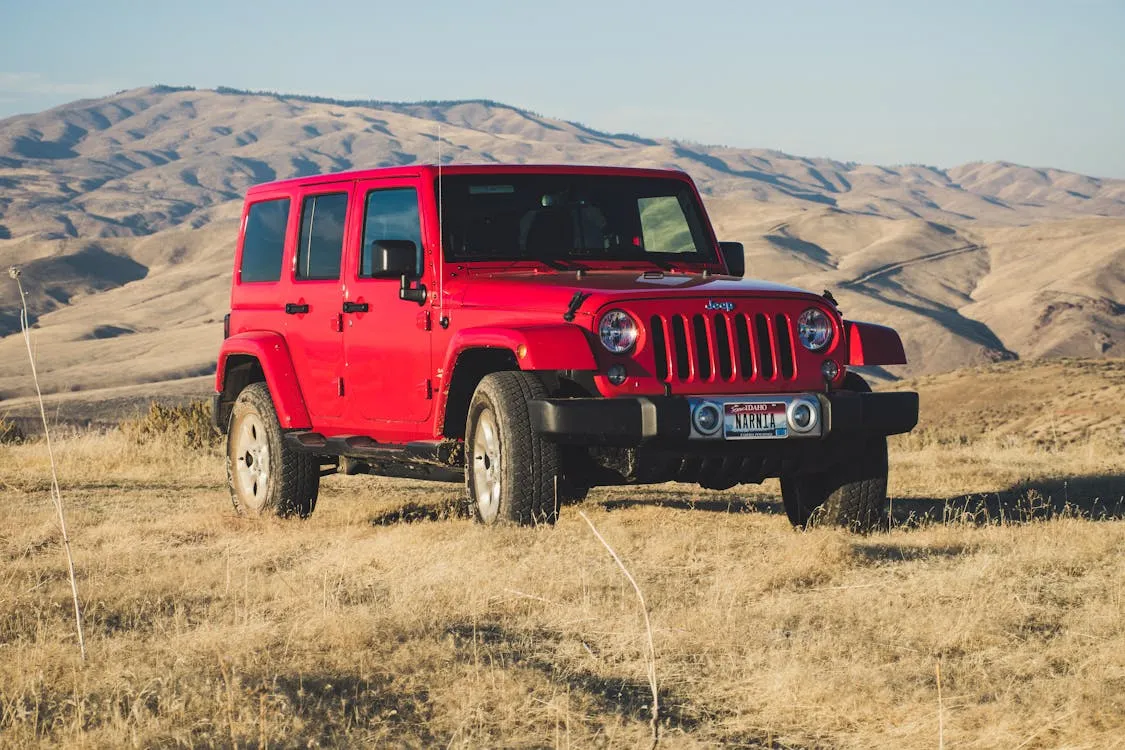
The fantasy is a lifted SUV with aggressive mud tires, a roof rack bristling with gear, and recovery boards bolted everywhere. The reality is that same truck still has to fit in the parking garage, stay quiet enough for car-seat naps, and not destroy your fuel economy for the 95% of driving that happens on pavement.
The good news is that you can push an SUV much further off the beaten path without making it miserable on the highway. The key is choosing upgrades that add genuine capability without subtracting livability.
Key takeaways
- Tires make the biggest single difference — pick all-terrain designs that stay civil on pavement.
- Cargo protection upgrades pay for themselves the first time you haul muddy gear.
- Mild lift or leveling kits improve clearance without wrecking ride quality or ADAS calibration.
- Good lighting upgrades improve safety everywhere, not just on trails.
- Skip anything that creates a noise, comfort, or maintenance penalty you will resent on Monday morning.
Start with tires that do both jobs
The single most impactful adventure upgrade is also the one that affects daily driving the most: tires. A well-chosen all-terrain tire like the Falken Wildpeak AT3W or the Continental TerrainContact A/T gives you dramatically better grip on gravel, packed dirt, and wet grass without turning your highway commute into a drone fest.
Avoid full mud-terrain tires unless you are genuinely wheeling on a regular basis. They howl on pavement, wear faster, and make rain driving worse. An AT tire with the 3PMSF snowflake rating covers the most ground for a family SUV that sees trails a few times a month and pavement every day.
Stay with factory-recommended sizing or go up one width at most. Oversized tires look great at car meets but create speedometer error, stress drivetrain components, and can interfere with stability control systems.
Protect the cargo area before it needs it
Muddy boots, wet dogs, camping gear, and sports equipment will destroy carpet and trim faster than you expect. A fitted rubber cargo liner from WeatherTech or Husky is one of those purchases that feels boring until the first time you hose it out instead of scrubbing stains.
Pair it with a rear seat protector if kids or dogs ride back there. These are cheap, removable, and save the resale value of your seats. For longer trips, a collapsible cargo organizer keeps groceries, coolers, and gear from sliding around — it sounds trivial until a bag of charcoal dumps across your trunk at a traffic light.
Mild suspension changes, big clearance gains
A leveling kit or a 1.5-to-2-inch lift on factory-style springs and shocks is the sweet spot for most family SUVs. It removes the factory nose-down rake, gives you enough ground clearance for forest roads and fire trails, and keeps the ride quality close to stock.
Go beyond two inches, and you start running into problems. Larger lifts change suspension geometry, stress CV joints, and often require recalibrating forward-facing cameras and radar for ADAS systems like adaptive cruise control and automatic emergency braking. That recalibration is expensive and sometimes overlooked.
Bilstein, Icon, and Old Man Emu all make kits that are engineered as systems rather than piecemeal spacer lifts. Spend the money on a proper kit once rather than a cheap spacer now and a real kit later.
Lighting that helps everywhere
Auxiliary LED lights are marketed as off-road gear, but they solve real daily-driving problems too. A pair of fog-position LED pods improves visibility on dark rural roads, in rain, and during early-morning drives. A small LED bar mounted behind the grille or in the bumper is useful on unlit highways, not just on trails.
Make sure any added lighting is wired through a proper relay with a dash switch, and check your local regulations. Driving lights that blind oncoming traffic are dangerous and illegal, regardless of how cool they look.
For the cargo area, a simple rechargeable LED strip or magnetic work light makes loading and unloading at a trailhead or campsite vastly easier. These cost almost nothing and solve a real annoyance.
Roof racks and cargo systems done right
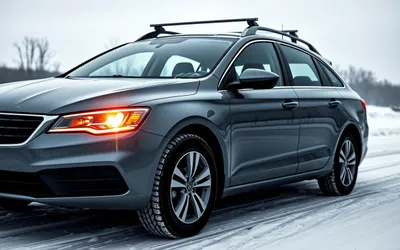
A roof rack or crossbar system opens up massive carrying capacity, but only if you choose the right one. Low-profile crossbars from Thule or Yakima add kayak, bike, or cargo-box capability with minimal wind noise and no permanent visual change.
Full roof-rack platforms look incredible but add weight up high, increase wind noise at highway speed, and reduce fuel economy by 2-5 mpg depending on the design. Unless you genuinely need a platform for overlanding gear, the simpler crossbar approach does more with less penalty.
Whatever you mount up top, remember that it changes your vehicle’s center of gravity. Drive accordingly, especially in crosswinds and on curves. And always double-check load limits — the rack’s rating and the roof’s rating are two different numbers, and you need to respect the lower one.
What to skip
Full brush guards and bull bars add weight, can interfere with airbag sensor timing, and mostly protect against impacts that do not happen in normal driving. Unless you are regularly pushing through actual brush on ranch roads, the money is better spent on tires and lighting.
Snorkels look aggressive but are unnecessary unless you are crossing water deep enough to submerge the factory air intake — a situation most family SUV owners should avoid entirely. Same goes for front-bumper winches. They are heavy, expensive, and a maintenance item most people never use.
The best adventure mods are the ones that make the vehicle more capable without adding a single compromise you will notice on the school run.
Helpful references
Bottom line
Adventure-ready does not have to mean daily-driver-hostile. Focus on tires, cargo protection, mild suspension, and good lighting. Those four categories cover 90% of what a family SUV needs to handle both trail weekends and Tuesday carpools without complaint.