Most car interiors start looking tired after three or four years of daily use. Seats wear, carpets stain, and the steering wheel gets shiny in all the wrong places. The instinct is to cover everything — but cheap seat covers and generic floor mats often make the cabin look worse, not better. The trick is choosing upgrades that match the car’s interior quality level instead of fighting against it.
Key takeaways
- Custom-fit floor mats (like WeatherTech or Husky) protect better and look cleaner than universal-fit options
- Neoprene and leatherette seat covers provide durability without the plastic feel of cheap polyester covers
- Small touches — shift knob, pedal covers, sun visors — can refresh a cabin without a full overhaul
- Color matching matters more than brand name; a close match to your interior color reads as intentional
- OEM accessories from your car’s manufacturer are often overlooked and fit perfectly by design
Floor mats: custom-fit is the only way to go
Universal floor mats are the number one offender in the “looks cheap” category. They slide around, bunch up under the pedals, and never quite cover the right areas. Worse, a mat that shifts under the brake or accelerator pedal is a genuine safety issue.
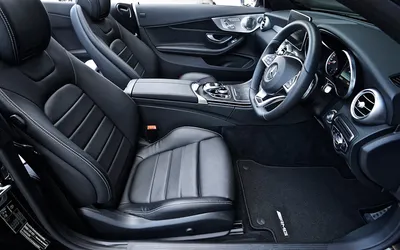
Custom-molded mats like WeatherTech FloorLiners, Husky X-act Contour, or 3D MAXpider mats are laser-measured to your specific vehicle’s floor pan. They lock into the factory retention clips, cover the entire footwell including the edges where salt and mud collect, and stay put. The raised edges contain spills and slush instead of letting them soak into the carpet underneath.
The cost difference is real — $150 to $250 for a front-and-rear set of custom mats versus $30 for a universal kit — but the lifespan and protection are not comparable. Custom mats last the life of the vehicle and actually preserve the carpet underneath, which matters when you sell or trade in the car. If you only buy one interior accessory, this is the one.
For the cargo area, a custom-fit cargo liner from the same brands protects the trunk carpet from groceries, tools, dog hair, and everything else that accumulates back there. If you have a hatchback or SUV, a cargo liner is practically mandatory.
Seat covers that look like they belong
The gap between good and bad seat covers is enormous. A $40 universal seat cover in black polyester with red piping screams “aftermarket” the moment someone opens the door. A properly fitted neoprene or leatherette cover in a color that matches your interior looks like it could be a factory option.
Neoprene covers are the workhorse choice for active lifestyles. They resist water, clean easily, and provide a slightly grippy surface that keeps you planted in the seat. Brands like Coverking and CalTrend offer vehicle-specific patterns that wrap snugly around headrests, accommodate seat-mounted airbags, and allow access to seat adjustment controls.
Leatherette (synthetic leather) covers offer a more refined look and work well in cars where the seats are cloth but you want a leather-like appearance. The better ones have perforated inserts for breathability and reinforced seams that do not split after six months. Again, vehicle-specific fitment is the key differentiator. A cover cut for your exact seat shape sits flat, wraps the bolsters properly, and does not bunch or gap.
If your car already has leather seats that are showing wear, consider a leather repair and conditioning regimen before covering them. Leather dye kits can restore color to worn areas, and a good conditioner prevents further cracking. This preserves the factory look rather than layering over it.
The OEM option you probably have not considered
Before browsing Amazon for interior accessories, check your manufacturer’s parts catalog. Most automakers sell OEM accessories through their dealer parts departments or online: all-weather floor mats, cargo organizers, seat-back protectors, illuminated door sills, and interior trim kits.
These parts are designed by the same team that designed the car’s interior. They match the materials, colors, and mounting points exactly. A set of OEM all-weather mats from Toyota or Honda typically runs $80 to $150 — more than universal mats but less than aftermarket premium brands — and they fit perfectly because they were made using the same CAD data as the car.
OEM illuminated door sills, ambient lighting kits, and trim overlays also tend to integrate cleaner than aftermarket alternatives because they are designed around the existing wiring and panel gaps.
Small upgrades that make a disproportionate difference
Not every cabin refresh requires covering major surfaces. Some of the most effective upgrades are small items that you touch or see every drive.
Steering wheel cover. If you go this route, choose a stitched leather wrap that you lace onto the wheel yourself (like the ones from Loncky or SEG Direct). They take 30 to 45 minutes to install and feel like a factory-wrapped wheel when done right. Avoid the slip-on foam or rubber covers — they shift under your hands and look exactly as temporary as they are.
Shift knob. On manual transmission cars, a quality weighted shift knob improves the shift feel and gives the interior a custom touch. Aluminum and stainless options from Mishimoto, Raceseng, or Billetworkz are popular for a reason. On automatics, this is less of an upgrade opportunity, but some vehicles accept aftermarket knobs on the shifter stalk.
Pedal covers. Aluminum or rubber sport pedal covers from your car’s OEM catalog or brands like Sparco add a subtle visual detail and improve grip on the pedals, especially in wet shoes. They bolt or clip over the existing pedals and take ten minutes to install.
Sun visors and organizers. If your visors are sagging or stained, replacement visors are available from salvage yards or OEM parts for most vehicles. A clean visor versus a yellowed, drooping one changes the first impression of the cabin more than you would expect.
Color and material matching: the rule that ties it all together
The single biggest factor in whether cabin accessories look good or cheap is how well they match the existing interior. A car with gray cloth seats, black plastic trim, and silver accents looks best with accessories in that same palette. Introducing red stitching, wood-grain overlays, or chrome trim pieces into a cabin that has none of those elements creates visual clutter.
Stick to the colors already present in your interior. If your car has black and gray, shop for accessories in black and gray. If it has tan leather and dark brown trim, match those tones. A cohesive color palette reads as intentional and premium, even if every piece is aftermarket.
When in doubt, go darker rather than lighter. A black floor mat in a gray interior looks fine. A light gray mat in a black interior collects visible dirt and looks out of place within a week.
Helpful references
- WeatherTech Vehicle Finder — custom floor liners, cargo liners, and interior accessories by vehicle year, make, and model
- Consumer Reports Interior Cleaning Guide — practical advice on maintaining and restoring interior surfaces before covering them
Bottom line
The best cabin upgrades feel invisible — they protect, improve comfort, and look like they came with the car. Spend the extra money on custom-fit pieces in matching colors, and skip the universal-fit accessories that announce themselves the moment someone sits down.