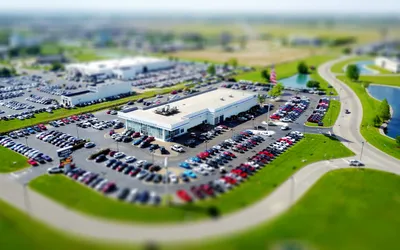
Dealers like selling in spring because cars look their best. Detailed, shined up, sitting in natural light on a clean lot, a used car from a salt-belt state can look every bit as good as one from Phoenix. The difference shows up underneath, in the spots most buyers don’t look, and it’s the difference between a car you can enjoy for five years and one that starts leaking brake fluid from a corroded line at 80,000 miles. If you’re shopping used cars this spring and you’re not willing to crawl on concrete for fifteen minutes with a flashlight, you’re trusting the dealer’s word on things they may not have checked themselves.
Key takeaways
- Undercarriage condition is the single most predictive factor for long-term ownership on a used car from any salt-belt region
- Brake lines, fuel lines, and exhaust hangers corrode from the inside and the outside — visual inspection tells you most of what you need to know
- Rocker panels and wheel well liners hide rust that the top-side detail won’t reveal
- Subframe and suspension component surface rust is usually cosmetic; structural rust is a dealbreaker
- A pre-purchase inspection from an independent shop is $150–$250 and is the best money you can spend on any used-car purchase
Start under the car
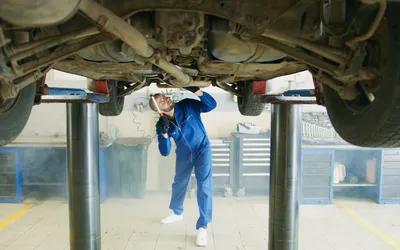
Before you open the hood, before you sit in the driver’s seat, before you take it for a drive — get a flashlight and get under the car. Most dealer lots will let you do this. If a dealer refuses access to the underside of a car, that’s information too.
What you’re looking for: the condition of the structural metal, the brake and fuel lines, the subframe, the exhaust system, and any visible body mounts. Surface rust on suspension components and brackets is normal and often cosmetic. What you’re ruling out is flaky, flaking, or layered rust on structural members — body frame rails, subframe attachment points, inner rocker panels, and the floor pan behind the front seats and around the rear subframe.
A screwdriver is legitimate here. Tap, don’t stab. If the screwdriver goes through a floor pan or a frame rail, the car is disqualified. If it knocks back against solid metal, the car is telling you something different.
Brake and fuel lines
Hard brake lines on salt-exposed cars are the single most common failure I see on otherwise reasonable used cars. Steel lines that have spent eight winters on salted roads rust from the outside in. The visible surface rust is just the beginning — what you can’t see is the internal wall thinning. When they fail, they fail suddenly, usually with the pedal going to the floor during a hard stop.
On the lift or from underneath, run the flashlight along the length of every visible brake line. Flaky red-brown rust that’s bubbling the original coating is a problem. Pitted lines that look like the surface of the moon are worse. Lines that have been replaced with shiny new material are a good sign — someone has done this work already.
Fuel lines on modern cars are often plastic and don’t have the same failure mode, but older vehicles with steel fuel lines deserve the same inspection. A fuel line failure is worse than a brake line failure, and the cars where you’ll find them are older models from salt belt regions.
Body rockers and wheel wells
Rocker panels are the part of the car most easily hidden by a good detail. They also collect salt, moisture, and road debris in spots the original drain holes can’t always clear. Look closely at the lower seam of each rocker panel, particularly at the rear where they meet the quarter panel. Bubbling paint, cracked caulk, or visible oxidation seeping through a repaint are all warnings.
Wheel well liners trap debris and moisture against the body seams behind them. If you can pull the liner back even slightly, look for rust forming where the liner meets the fender structure. On older cars, this is a common rot-out point that a top-side inspection completely misses.
Cosmetic vs. structural rust
Not all rust is equal. Surface rust on control arms, brake calipers, sway bar links, and similar components is normal on any car that has seen salted roads and is usually cosmetic. The part continues to function; it just doesn’t look pretty. Replacement isn’t required unless the corrosion is severe enough to affect function.
Structural rust is different. When the frame, subframe attachment points, body-to-frame mounts, or structural floor members are involved, you’re looking at a car that may not be safe to drive long term and isn’t cost-effective to repair. A decent inspection will make the distinction clear. If a seller or dealer is vague about what kind of rust they have — surface or structural — assume the worse answer and price accordingly.
Suspension and steering components
The spring inspection focus on suspension and steering is joints and rubber. Ball joints, tie rod ends, and bushings all age faster on cars that get hammered by winter road conditions. A car that’s been driven hard through pothole season will show wear patterns that a sheltered car won’t. Grab each tire and push-pull to check for play. Any clunking or free play beyond trivial is a ball joint or tie rod concern.
Rubber bushings — control arm, sway bar, subframe — tell the same story. Cracked, split, or missing bushing material is a maintenance cost that the current seller should have been reflecting in their ask price and probably isn’t.
Pre-purchase inspection
For $150–$250 at an independent shop, you get a second set of eyes and a lift. This is worth doing on any used-car purchase above about $8,000 and non-optional on anything above $15,000. The shop will catch the things you missed: leaking pinion seal, worn wheel bearing, evidence of a prior accident that the paint hid, and the mechanical issues you can’t diagnose in a dealer test drive. Ten minutes with a cheap Bluetooth dongle before that appointment helps too — an app that can decode manufacturer-specific fault codes will show the ABS and chassis faults that salt-corroded sensor connectors cause, even after someone has cleared the dashboard lights.
A dealer who refuses to release a car for a pre-purchase inspection is telling you something you need to listen to. Good dealers have nothing to hide and will accommodate the request. Bad dealers will push back or invent reasons why it’s not possible.
Bottom line
Spring used-car inspection is about deciding which salt-belt cars you’ll accept and which you won’t. A clean Texas car will cost more upfront and save you money over five years. A rotting Northeast car will look like a bargain on the sticker and cost you every time it goes in for service. The difference isn’t obvious from the walk-around — it’s under the car, behind the wheel wells, and in the brake lines. Budget the time to actually look.