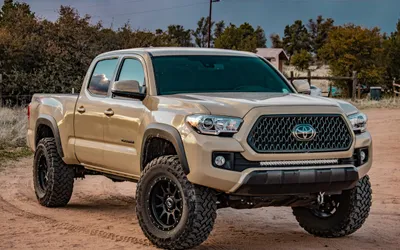
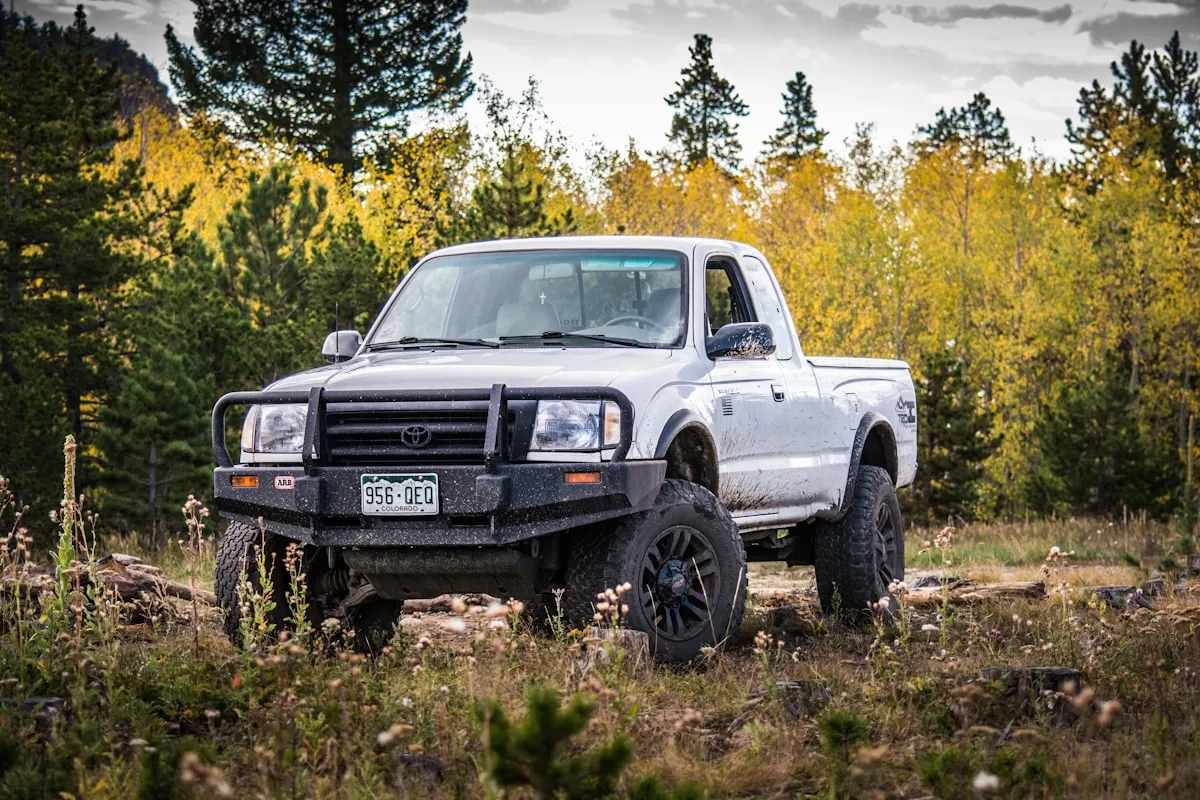
Tight truck inventory makes it easier to rationalize flaws you would reject in a calmer market. The problem is that trucks can hide expensive issues behind a tough image and a high asking price.
When supply is limited, a disciplined inspection matters more—not less.
Key takeaways
- Frame condition, towing history, and drivetrain behavior deserve close attention.
- Cargo-bed wear tells part of the truck’s story, but underbody condition tells more.
- Tire type and uneven wear can reveal alignment or suspension issues.
- Do not confuse high prices with proof of quality.
- A truck should be evaluated for the work it has done, not just the miles shown.
Inspect the truck where truck life shows up
The bed, hitch area, frame, suspension, and underbody reveal much more than a polished exterior. Signs of heavy towing, poor repairs, rust, or abuse matter because they affect the truck’s future workload and repair costs.
A clean interior does not erase a hard life underneath.
Look for drivetrain honesty
Transmission behavior, 4WD engagement, steering play, brake feel, and startup habits deserve real attention on a used truck. These systems are costly enough that ‘it probably just needs a small fix’ is not a safe assumption without proof.
This is especially important when inventory pressure makes every truck seem worth stretching for.
Buy the truck that fits the job now
Do not overbuy capacity or features you will not use just because the market is thin. A truck that fits your actual towing, hauling, and commuting needs is easier to justify and usually easier to maintain.
Even in a tight market, the best truck is still the one with the clearest, most supportable story.
Helpful references
Bottom line
A smart buy is rarely the most emotional option in the moment. It is the vehicle that still makes sense after inspection notes, ownership costs, and real use cases are laid out honestly.
That discipline protects the budget, lowers regret, and usually leaves more room to enjoy the car after the deal is done.