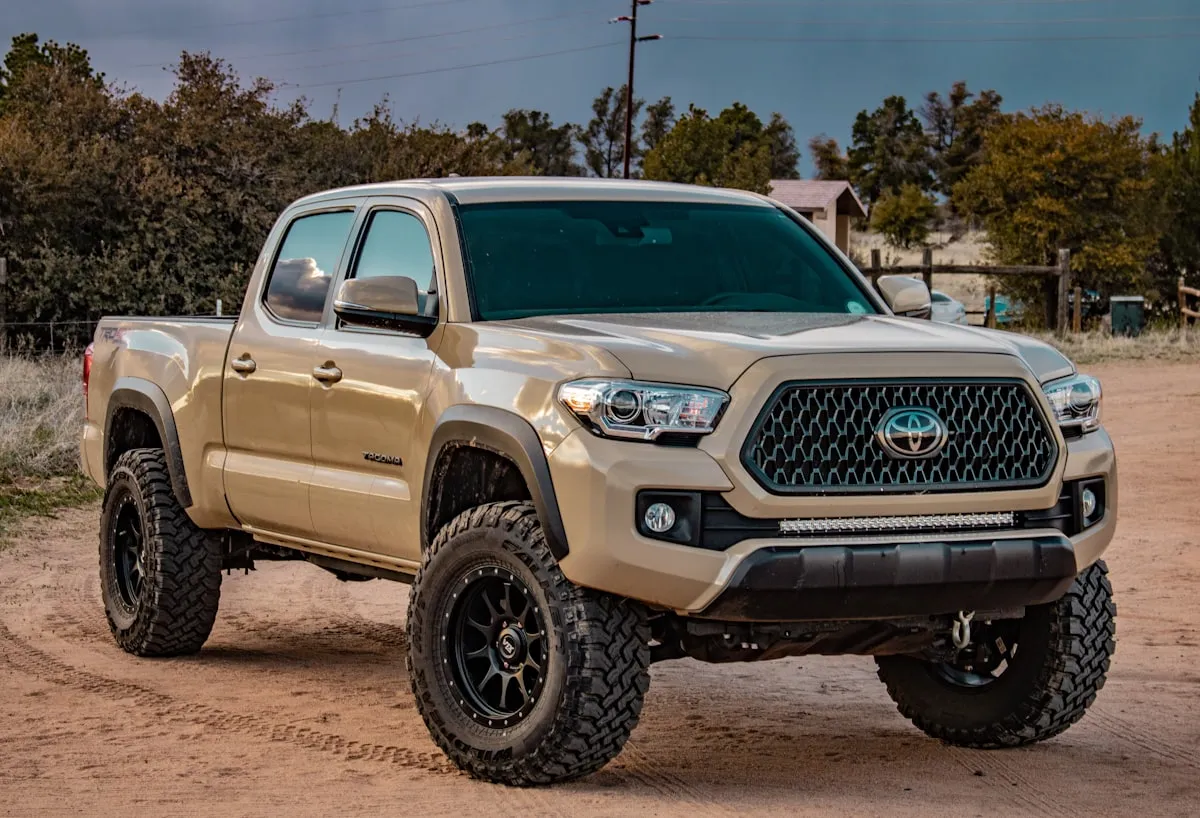
Buying a used truck that has been towing is not the same as buying one that has been commuting. A truck with 60,000 highway miles and no towing history is in a fundamentally different condition than one with 60,000 miles of pulling a 7,000-pound travel trailer through mountain passes. The odometer alone does not tell you which one you are looking at.
Key takeaways
- A truck’s towing history matters more than its mileage for long-term reliability.
- Transmission cooler condition, brake wear patterns, and rear axle fluid tell the real story.
- Check the hitch receiver, wiring harness, and frame mounting points for signs of heavy use.
- Run the VIN through NHTSA for recalls and request complete service records.
- A pre-purchase inspection by a truck-savvy mechanic is the best money you can spend.
Start with the hitch and frame
Look underneath. A truck that has towed regularly will show it. The hitch receiver will have wear marks, scuffing, and possibly some rust where the ball mount has been sliding in and out. That is normal and not necessarily a deal-breaker, but it confirms the truck has been working.
Check the frame around the hitch mounting points for cracks, stress marks, or signs of re-welding. Factory hitch installations are bolted and rated for specific tongue weights. Aftermarket hitches bolted to the wrong points — or welds that suggest someone exceeded the rating — are red flags. Also inspect the trailer wiring harness. A frayed, corroded, or repaired harness suggests the truck has been towing frequently and possibly without great attention to maintenance.
Transmission and cooling system tell the real story
Towing puts enormous stress on the transmission and its cooling system. Ask for the transmission fluid service history. On trucks that tow, many manufacturers recommend fluid changes every 30,000 miles or less. If the seller cannot show that history, factor in the cost of a full transmission service before you buy.
Check for a factory or aftermarket transmission cooler. Many trucks come with a tow package that includes an auxiliary cooler. If the truck has been towing without one, the transmission has been running hotter than it should. Look at the coolant condition too. Overheating from heavy towing accelerates coolant breakdown and can lead to head gasket and water pump issues down the line.
Pull the transmission dipstick if the truck has one. The fluid should be red or light brown with no burnt smell. Dark fluid with a burnt odor suggests the transmission has been stressed beyond its service interval.
Brakes and suspension wear patterns
A truck that tows a lot eats through rear brakes faster than one that does not, especially if the driver relied on the truck’s brakes rather than using a trailer brake controller. Ask to see the brake pad thickness and rotor condition. Uneven wear, heavy scoring, or warped rotors point to a truck that has been stopping heavy loads regularly.
On the suspension side, look for sagging rear leaf springs, worn shocks, and any signs of added helper springs or airbags. These are not problems by themselves — they are signs that the truck has been loaded and the previous owner was managing the weight. But sagging springs affect ride height, handling, and headlight aim, and they will need attention.
Axle and differential condition
The rear axle takes the brunt of towing stress. Check the differential fluid — it should not be black, gritty, or smell burnt. Many tow-package trucks come with limited-slip differentials that require specific fluid additives. If the differential has been serviced on schedule, that is a good sign of overall maintenance discipline.
Listen for axle noise during a test drive. Whining under load, clunking during turns, or vibration at highway speeds can all indicate worn ring-and-pinion gears or failing bearings. These repairs are expensive and should be factored into your purchase price if present.
Run the VIN and get a proper inspection
Check NHTSA’s recall database with the truck’s VIN. Trucks with tow packages sometimes have specific recalls related to trailer brake controllers, hitch wiring, or transmission cooling that the previous owner may not have addressed.
Request the complete service history from the seller and cross-reference it with the manufacturer’s maintenance schedule for towing use. If the truck was serviced at a dealership, they can usually pull the records by VIN.
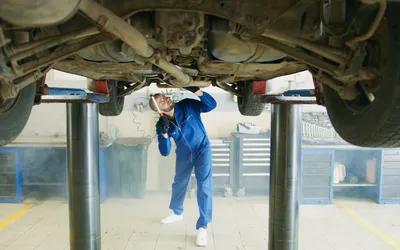
Finally, pay a mechanic who works on trucks regularly to do a pre-purchase inspection. Not a quick lube shop — a proper inspection that includes putting the truck on a lift, checking the frame, pulling fluid samples, and scanning for diagnostic codes. That $150 to $300 can save you from a $5,000 surprise.
Helpful references
- KBB Used Car Values — Research fair market pricing for used trucks
- Edmunds Appraisal Tool — Get a condition-based value estimate
- NHTSA Recall Lookup — Check for open recalls by VIN
Bottom line
A used truck can be a great tow vehicle if it has been maintained for the work. The key is confirming that maintenance happened rather than assuming it did. Check the fluids, inspect the frame, read the service history, and pay for a proper inspection before you sign anything.