Wheel trends come and go, but daily drivers need a different filter than weekend builds. The right wheel setup should sharpen the look of the car without turning every pothole, parking curb, and rough highway into a punishment.
In early 2020, the most useful wheel trends were the ones that balanced style with realistic tire sidewall, sensible widths, and clean fitment. The goal was presence, not drama for its own sake.
Key takeaways
- Satin and machined finishes tend to age better than ultra-flashy novelty looks.
- A practical plus-one or mild plus-two setup usually works better than chasing the largest diameter possible.
- Tire sidewall is part of comfort, protection, and real-world drivability.
- Offset and width matter as much as diameter for stance and clearance.
- Use factory specs as the baseline before shopping wheels.
The best trends were subtle enough to live with
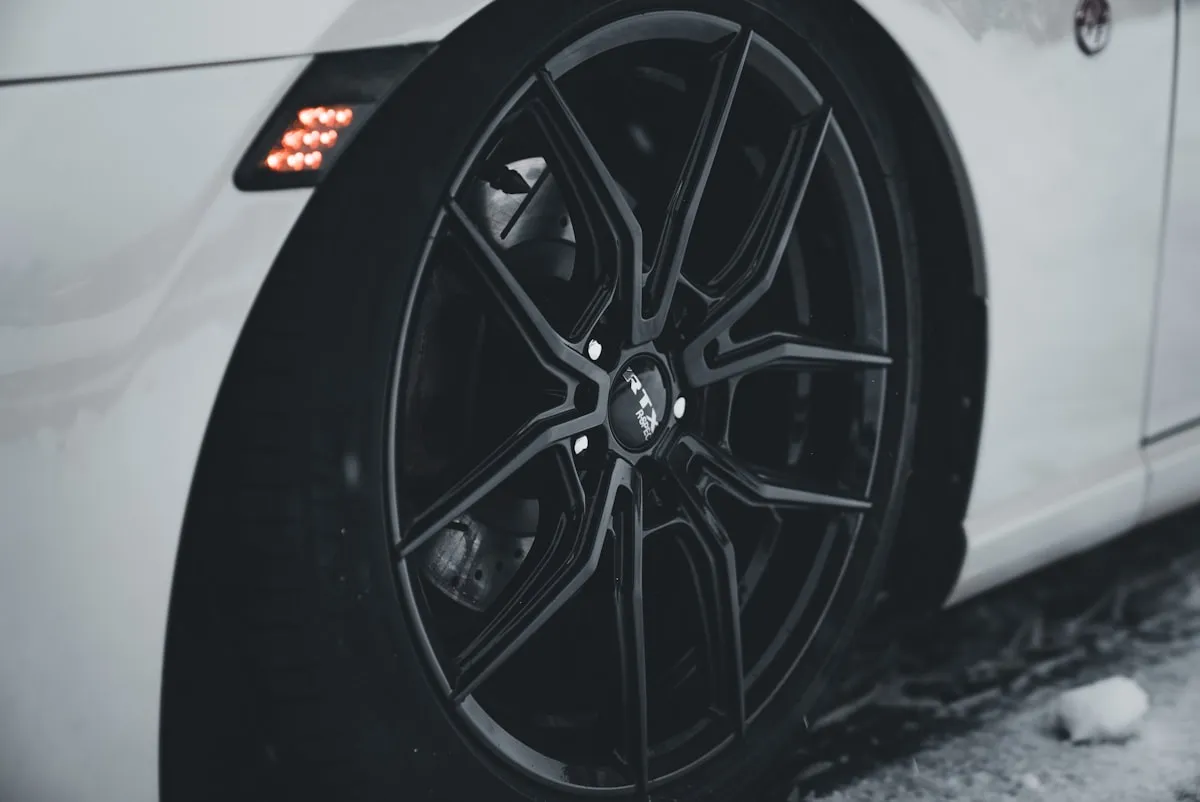
In the late 2010s and into 2020, many attractive daily-driver wheel packages leaned on clean spoke designs, darker finishes, and a more purposeful stance without pushing into extreme camber or rubber-band tire territory.
That matters because the wheel package is one of the few mods you see every day. A simple design that still looks good after months of brake dust and commuting usually beats a trend that photographs well but wears out its welcome quickly.
Sizing should start with the tire, not the wheel
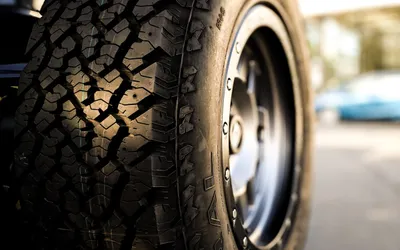
Daily drivers live on broken pavement, rain grooves, and parking lots. That is why sensible sidewall height matters. Too little tire can make the car feel harsher, leave wheels vulnerable to damage, and make replacement rubber more expensive than expected.
A mild size increase often gives the visual upgrade most owners want while preserving ride quality and pothole tolerance.
Fitment is where a good idea can go wrong
Width and offset determine whether a wheel actually sits right in the car. A wheel that is technically stylish but rubs on compression, sits awkwardly inward, or forces strange tire choices is not an upgrade in practice.
Use the door-jamb placard, owner manual specs, and established fitment tools before buying. That is how you get a better stance without turning the car into a project.
Helpful references
Bottom line
Small choices made at the right time usually outperform dramatic changes made at the wrong time. Whether the topic is tires, cleaning, or bolt-on upgrades, the best result comes from getting the fundamentals right first.
That approach makes the car easier to enjoy immediately and gives every later modification or maintenance decision a stronger foundation.