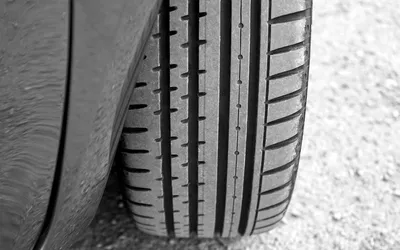
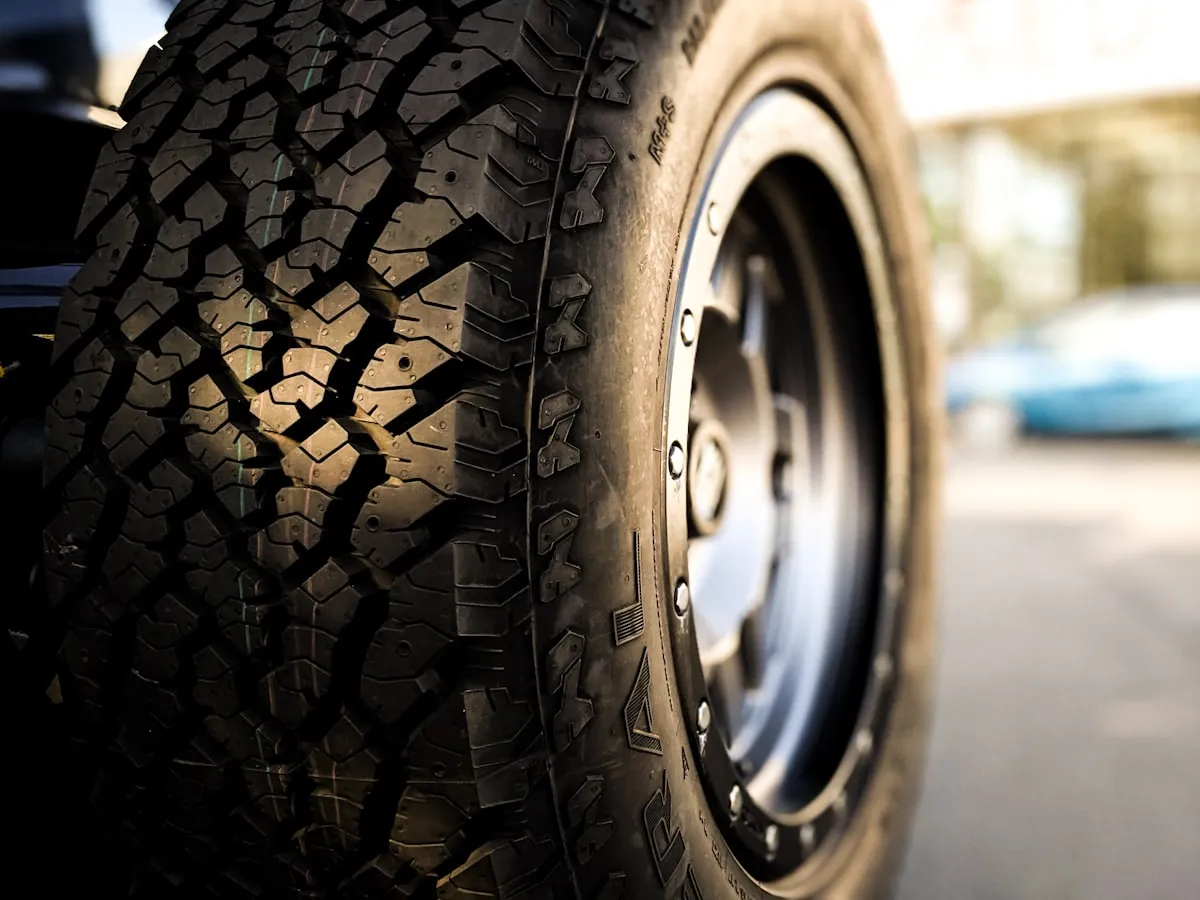
Staggered versus square is one of those decisions where the right answer is specific to the car and the use case, and the enthusiast forums are full of people defending their own choice as universally correct. It isn’t. A staggered setup (wider rear wheels and tires than fronts) makes sense on certain platforms for specific reasons and is actively wrong on others. A square setup (same width front and rear) has real advantages that get ignored when visual aggression is the only design criterion. Let me lay out what each one actually does — handling, tire budget, replacement flexibility, and how the car ages — and you can apply it to whatever you’re building.
Key takeaways
- Staggered setups are correct on rear-wheel-drive platforms with significant rear weight bias or high rear power — and wrong on most AWD systems
- Square setups allow tire rotation, which meaningfully extends overall tire life and reduces replacement costs
- Track-focused applications almost always favor square setups regardless of drive layout
- Staggered is a styling choice as often as it’s a performance choice; both reasons can be legitimate
- Tire compound and construction differences between front and rear staggered tires create ride and noise variance some owners don’t anticipate
Where staggered actually helps
A staggered setup puts more rubber on the drive wheels. On a rear-wheel-drive platform with real power — a Mustang, Camaro, 911, M3, Supra, most V8 sedans — the rear tires are working harder than the fronts in any power-on situation. Wider rears put more contact patch down for acceleration, for power-on cornering, and for handling transitions where the rear wants to step out.
Porsche’s 911 platform has been staggered from the factory for decades because of the rear weight bias and the need for rear grip that matches what the front can generate. BMW’s M cars are staggered for similar reasons. The Mustang Mach 1 and GT350 use staggered setups specifically because the engineers determined that the chassis benefited from more rear rubber.
The takeaway: on a RWD platform with significant power output, a staggered setup is engineering, not just style. The factory often gets it right; aftermarket staggered setups that respect the factory proportions usually work well.
Where staggered is wrong
AWD systems with torque-vectoring or variable front-rear torque split do not work cleanly with staggered tire diameters. Even when staggered widths are specified, staggered overall tire diameters (different heights front and rear) cause the AWD system to see rotational speed differences that it interprets as traction events. The system tries to compensate for a difference that isn’t a traction problem, and the result is driveline wear and compromised response.
Some AWD platforms explicitly prohibit staggered wheel sizing in their owner’s manuals. Audi’s quattro system in most configurations, modern Subaru AWD, and Nissan’s intelligent AWD systems are all examples where equal rolling diameters front and rear is a real requirement. Ignoring this to get the look of a staggered setup leads to driveline damage that’s expensive to fix.
Front-wheel-drive cars are also a poor fit for staggered setups. The front tires do all the work — driving, steering, and most of the braking. Putting narrower fronts on a FWD platform is actively worse than running square, and staggered FWD setups are mostly an aesthetic choice that compromises performance.
The square setup advantage: tire rotation
The argument for square that gets underweighted is tire rotation. On a square setup, you can rotate tires front-to-rear to even out wear patterns. That means a set of tires lasts meaningfully longer — typically 20–30% more total miles — than the same tires on a staggered setup where the rears wear faster and the fronts only see even wear through their whole life.
On a daily driver where tire budget is a real consideration, this matters. A set of premium summer tires that runs $1,600–$2,400 gets replaced every 25,000 miles on a staggered setup versus every 32,000–38,000 miles on a square setup with rotation. Over a 100,000-mile ownership, that’s a tire set of savings — genuine money.
For track-oriented cars where tires are a planned consumable, rotation flexibility still matters. Track tires rotate differently than street tires (cross-rotating isn’t usually recommended), but the ability to swap front-to-rear is still an advantage.
Tire compound and construction considerations
A subtle issue with staggered setups: when you need to replace just the rear tires (because they wear first), the market for replacement tires at your exact size may be more limited than the market for the front size. On less common sizes — 275/30R20, 305/30R20 — you may have fewer tire options, fewer price points, and a smaller supply of inventory in stock.
A related issue: some owners end up running mismatched tire models on a staggered setup because their preferred front tire is available in the front size but not the rear, or vice versa. This can create real handling differences — a front tire with sharper response and a rear tire with softer compound doesn’t make a balanced car.
Square setups avoid this entirely. Whatever you’re running, you’re running four of them, and tire shopping is simpler.
Decision framework
The framework I use when helping someone choose:
- RWD with substantial power, street and track use, willing to accept tire cost: staggered
- RWD with modest power, primarily street use, rotation matters: square
- AWD, any use case: square (unless the factory specifically designed for staggered and you’re staying within those specs)
- FWD, any use case: square
- Track-focused track car: square
- Pure show build where aesthetic is the primary goal: whatever looks right
For wheel and tire shopping, having both sides of the decision clear helps filter aftermarket wheel options quickly. A wheel brand’s square fitments will generally have better inventory depth than their staggered sets on all but the most popular platforms. And if you’re not certain a staggered set will clear your fenders and suspension, a dedicated wheel-and-tire shop — like the fitment specialists we’ve featured in Tempe — answers exactly that question all day.
Bottom line
The staggered-versus-square decision deserves more thought than it usually gets. On the right platform for the right use case, staggered is genuinely better. On the wrong platform, it’s a real compromise disguised as an upgrade. Match the setup to the engineering of the car and the budget tradeoffs you’re willing to accept, not to what looks best in the wheel company’s marketing photos.