
Tire shopping feels like it should be straightforward — pick your size, read some reviews, buy the ones with the best rating. In practice, every tire is a set of compromises, and the “best” tire depends entirely on what you are willing to trade away. A tire that handles brilliantly on dry pavement might drone on the highway. One that rides like a cloud might feel vague in fast corners.
Key takeaways
- Summer tires outperform all-seasons in warm-weather grip and steering response, but they have a narrower comfort window.
- Softer compounds grip better but wear faster — UTQG treadwear ratings give you a rough comparison tool.
- Road noise is driven by tread pattern design, not just brand or price.
- Wider tires are not always better — they increase road noise and hydroplaning risk without guaranteed grip gains.
- Your real-world driving mix (highway commute vs. canyon roads vs. city) should dictate the tire, not forum hype.
Summer vs. ultra-high-performance summer: know the spectrum
Summer tires are not a single category. They range from grand-touring summer tires designed for quiet highway comfort with good warm-weather grip, to ultra-high-performance (UHP) summer tires built for maximum lateral grip and steering precision at the expense of ride comfort and tread life.
A grand-touring summer tire like the Continental ExtremeContact DWS 06 Plus sits at the comfort end. It delivers good dry and wet grip, reasonable noise levels, and 40,000+ miles of tread life. A UHP tire like the Michelin Pilot Sport 4S prioritizes cornering grip, steering feel, and braking performance, with tread life closer to 25,000-30,000 miles and more road noise on coarse pavement. When you’re choosing between the current max-performance summer flagships, our Michelin Pilot Sport 5 vs. Continental ExtremeContact Sport 02 comparison covers how the latest versions stack up on wet braking, dry grip, and wear.
Most daily drivers are best served by something in the middle. Unless you are tracking your car or driving aggressively on mountain roads regularly, the comfort and longevity trade-offs of a full UHP tire may not be worth it.
Road noise: tread pattern is the main driver
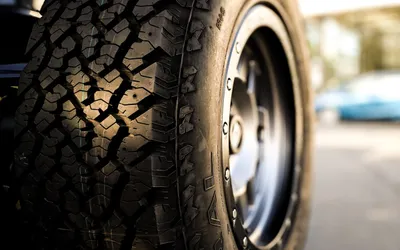
The number-one complaint about performance-oriented summer tires is road noise. This is primarily a function of tread pattern — specifically, the size and arrangement of tread blocks. Large, uniform blocks with straight grooves tend to generate a consistent hum at highway speeds. Varied block sizes and offset patterns break up the noise into less noticeable frequencies.
Tire reviews that measure interior cabin noise in decibels are more useful than subjective descriptions. A 2-3 dB difference between tires is audible, and over a long highway drive, it adds up. If you commute an hour each way on concrete freeways, prioritize noise performance in your tire choice.
Sidewall stiffness also contributes. Stiffer sidewalls transmit more road imperfections into the cabin as noise and vibration. This is the direct trade-off with steering precision — a softer sidewall absorbs more bumps but allows more deflection in corners, making the steering feel less direct.
Wet grip vs. dry grip: the hidden priority
Most tire marketing focuses on dry grip because it makes for better action photos and bigger numbers. But unless you live somewhere that never rains, wet grip should be at least an equal priority. A tire that is phenomenal in the dry but mediocre in the wet is a liability during a sudden downpour.
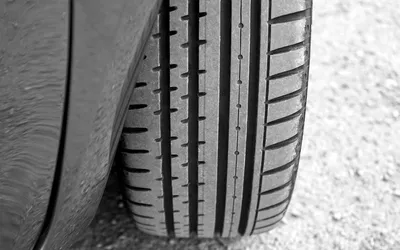
Look for tires with wide circumferential grooves and sipe density in the tread blocks. These features evacuate water from the contact patch and reduce hydroplaning risk. The UTQG traction rating (AA, A, B, C) gives a baseline comparison, though it only tests wet braking in a straight line, not cornering grip.
Summer tires generally outperform all-seasons in wet grip at warm temperatures because their compound is optimized for the task. But the gap narrows as temperatures drop below 45°F, and summer tires lose grip rapidly below that threshold. If you experience cold mornings in late spring or early fall, factor that into your tire choice.
Tread life expectations and UTQG ratings
The UTQG treadwear rating is a relative number, not an absolute mileage guarantee. A tire rated 300 should last roughly twice as long as one rated 150, assuming similar driving conditions. But the baseline varies by manufacturer, so cross-brand comparisons are approximate at best.
For a daily-driven summer tire, expect 25,000 to 45,000 miles depending on the compound and your driving style. Aggressive cornering, hard braking, and underinflation accelerate wear significantly. Rotating your tires every 5,000-7,000 miles and maintaining proper inflation pressure are the two cheapest ways to extend tread life regardless of the tire.
If you are comparing two tires and one has a treadwear rating of 340 while the other is 220, that difference translates to real money over the life of the car. A tire that costs $30 less per corner but wears out 40% sooner is not actually cheaper.
Width is not a free upgrade
Forum wisdom often suggests going wider for more grip. In some cases, that is true — a wider contact patch can improve dry braking and cornering up to a point. But wider tires also increase rolling resistance (hurting fuel economy), generate more road noise, and are more prone to hydroplaning because there is more surface area to lift off the road in standing water.
There is also a fitment consideration. Going wider than the manufacturer’s recommended range for your wheel width can affect the tire’s profile shape and how it contacts the road. A tire mounted on a wheel that is too narrow will have a rounded contact patch instead of a flat one, which defeats the purpose of going wider.
Stick within one size of the OEM recommendation unless you have specific performance data suggesting otherwise. A 225 going to a 235 is usually fine. A 225 going to a 265 on the same wheel is probably not.
Helpful references
- NHTSA TireWise — Tire safety basics, ratings, and recall information
- Tire Rack Upgrade Garage — Fitment guides and tire comparison tools
Bottom line
The right summer tire is the one that matches your actual driving, not the one that wins track tests. Balance grip, noise, ride quality, and tread life against how and where you drive every day. Read the noise data, check the treadwear ratings, and size your tires to the wheel — not to a forum recommendation.