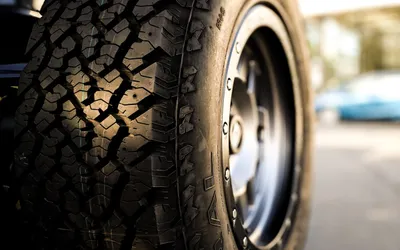
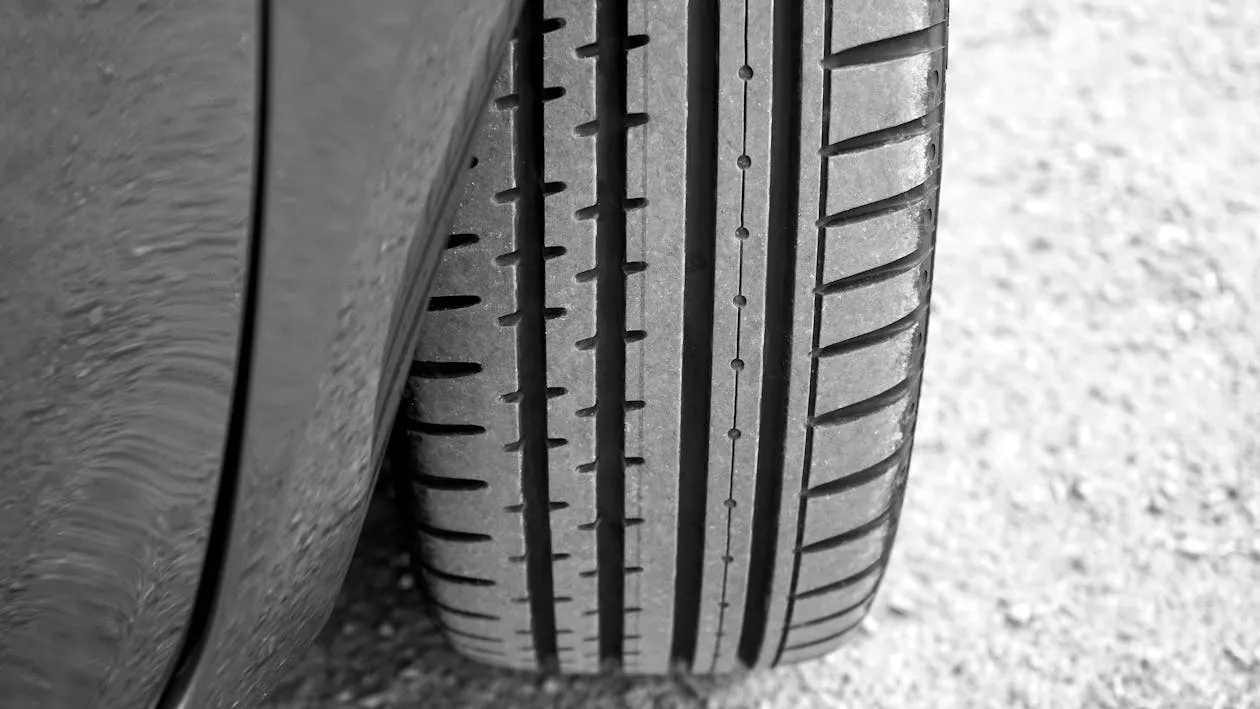
The tire industry loves categories. All-season, all-weather, winter, summer, grand touring, ultra-high performance all-season — the labels multiply faster than anyone can keep track. The problem is that those marketing names rarely describe what a tire actually does well in your specific climate, on your specific roads, with your specific driving habits.
A better approach is to forget the labels for a moment and think about what your tires actually face over a full year.
Key takeaways
- “All-season” does not mean “all conditions” — it means mild-weather compromise.
- All-weather tires with the Three-Peak Mountain Snowflake (3PMSF) symbol bridge the gap between all-season and winter.
- A two-set strategy still makes sense if you regularly see sustained temps below 20°F or heavy snowfall.
- Tread compound matters more than tread pattern for cold-weather grip.
- Your local climate and typical routes should drive the decision, not a tire’s category name.
What “all-season” actually means
All-season tires are designed to be acceptable across a wide temperature range, but they are optimized for dry and mild-wet conditions between roughly 40°F and 90°F. Their rubber compounds stiffen in genuine cold, and their tread patterns shed water adequately but are not aggressive enough for packed snow or ice.
This works fine in places like Southern California, the Gulf Coast, or anywhere winter means occasional rain and maybe a frost. It does not work well in the upper Midwest, the Rockies, or New England, where sustained freezing temps and real snowfall are part of normal life for months at a time.
The name “all-season” was always more marketing than engineering. A more honest label would be “three-season” in cold climates.
Where all-weather tires fit
All-weather tires are the fastest-growing category right now, and for good reason. They carry the 3PMSF (Three-Peak Mountain Snowflake) symbol, which means they meet a minimum standard for traction on packed snow — something standard all-season tires do not.
Brands like Nokian, Toyo, and Michelin have pushed this segment hard. The compound stays pliable in colder temps, and the tread pattern is more aggressive in snow without being unbearably loud on dry highway. For drivers in the mid-Atlantic, Pacific Northwest, or parts of the Midwest where winter is real but not brutal, a good all-weather tire can eliminate the need for seasonal swaps.
The tradeoff is that all-weather tires generally wear faster than a pure all-season and do not match a dedicated winter tire on ice or in deep snow. They are a compromise, but a much better one than the old all-season default.
When a two-set strategy still wins
If you see regular ice, lake-effect snow, or sustained temps below 20°F for weeks at a time, dedicated winter tires on a second set of wheels remain the best option. No all-weather tire matches the grip of a proper winter compound at 10°F on glare ice.
The upfront cost of a second wheel-and-tire set looks steep, but it pays back in two ways. First, each set gets worn only half the year, so both last roughly twice as long. Second, the safety margin in a real winter event is enormous — the stopping distance difference between an all-season and a winter tire on ice can be a full car length or more at city speeds.
Buy a second set of inexpensive steel or alloy wheels in the same bolt pattern, mount your winters, and swap twice a year. Many shops will store the off-season set for a modest fee.
Compound matters more than tread pattern
Tire shoppers focus on tread blocks and sipes, but the rubber compound does most of the work. A winter tire’s compound stays soft and pliable at temps where an all-season compound turns into a hockey puck. That softness is what lets the tire conform to road texture and generate grip.
This is also why running winter tires in summer is a bad idea — the soft compound wears extremely fast on hot pavement and the handling feels vague. Match the compound to the temperature range you actually drive in.
How to decide for your situation
Start with three honest questions. First, what is the coldest sustained temperature you regularly drive in? If it rarely drops below 35°F, all-season is fine. If you regularly see 20s and 30s with occasional snow, all-weather is the sweet spot. If you see teens and below with regular ice or snowfall, go dedicated winters on a second set.
Second, how much do you drive in winter? A work-from-home driver who makes a few trips a week has different risk math than someone commuting 60 miles daily on mixed highways.
Third, do you have space and budget for two sets? If not, all-weather tires with the 3PMSF symbol are the best single-set solution for cold climates.
Stop thinking in marketing categories and start thinking in temperatures, precipitation, and miles. The right tire for your situation is the one that matches how you actually use the car.
Helpful references
Bottom line
Tire labels are shortcuts, not prescriptions. Match the compound and design to your real climate and driving patterns, and the right answer usually becomes obvious. For most drivers in moderate-cold regions, all-weather tires with the 3PMSF rating are the smartest single-set investment right now.