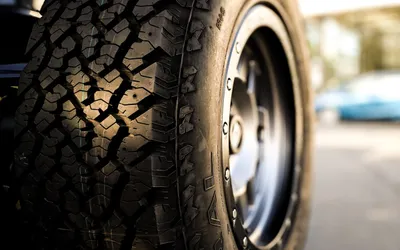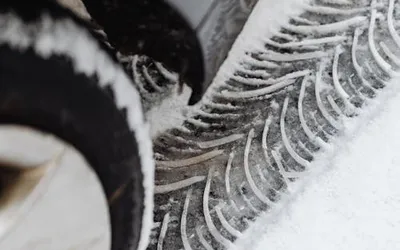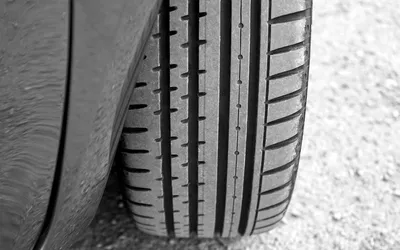

The winter-tire question always sounds like a debate about snow, but the bigger issue is cold-weather grip. Once temperatures stay low, rubber compound matters even before the first storm hits.
That is why the real comparison is not just between tread patterns. It is between how a tire behaves in the temperatures and conditions you actually drive through every week.
Key takeaways
- Winter tires help most in cold braking, slush, and real snow—not just blizzards.
- All-season tires are a compromise that may be good enough in mild climates.
- Temperature matters as much as snowfall totals.
- A dedicated winter setup improves confidence and can protect nicer wheels from salt and potholes.
- Buy based on route, climate, and schedule, not on pride.
Why winter tires feel different before snow even arrives
Winter tires use compounds designed to stay more flexible in cold conditions. That flexibility helps the tread work when temperatures fall, which can improve braking and traction on dry-but-cold pavement as well as on snow and slush.
All-season tires can still be perfectly reasonable in milder climates, but they are built to do many jobs at an acceptable level rather than one cold-weather job extremely well.
Who benefits the most from a dedicated winter setup
If you drive early in the morning, live where storms are not cleaned up immediately, or cannot simply stay home when conditions deteriorate, winter tires are easier to justify. The same goes for hilly routes and areas where wet, cold weather is common even without massive snowfall.
Drivers in truly mild regions may be better served by a strong all-season tire and a realistic understanding of its limits.
Think about the whole winter package
A dedicated winter setup can also simplify life if it lives on its own wheels. That reduces seasonal mounting wear, protects nicer wheels from rough winter roads, and makes the swap easier when the weather turns.
The right answer is not about winning an argument online. It is about choosing the tire that gives you the safest margin for your commute.
Helpful references
Bottom line
Small choices made at the right time usually outperform dramatic changes made at the wrong time. Whether the topic is tires, cleaning, or bolt-on upgrades, the best result comes from getting the fundamentals right first.
That approach makes the car easier to enjoy immediately and gives every later modification or maintenance decision a stronger foundation.