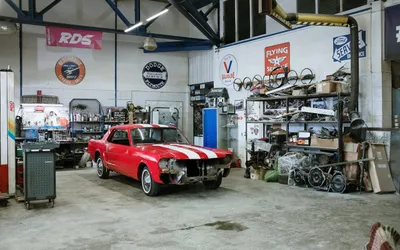
The cheapest project car on Craigslist is almost never the best deal. That $2,500 Datsun 280Z with “just a little rust” or the $1,800 Fox Body that “ran when parked” two years ago will quietly drain your bank account and your enthusiasm. The smarter move is spending more upfront for a car that needs less, and knowing how to tell the difference before you hand over cash.
Key takeaways
- A cheap purchase price means nothing if the car needs $8,000 in rust repair and body work
- Parts availability and community support should weigh heavily in your platform choice
- Budget a realistic completion timeline — most first-timers underestimate by 2x or more
- A running, driving car with cosmetic issues is almost always a better buy than a non-running “shell”
- Set a total project budget before shopping and let it guide which cars you even look at
Set your total budget before you shop
Most first-time project car buyers set a purchase price limit and figure they’ll “deal with the rest later.” This is how projects stall in garages for years. Before you look at a single listing, decide on a total project budget — purchase price plus everything needed to reach your goal, whether that’s a reliable weekend driver or a full restoration.
A useful rule of thumb: for a first project, the purchase price should be no more than 40 to 50 percent of your total budget. If you have $10,000 to spend in total, shop for cars in the $4,000 to $5,000 range and reserve the rest for parts, tools, fluids, and the inevitable surprises.
This ratio changes depending on the platform. Common domestic muscle cars (Mustangs, Camaros, C3 Corvettes) have excellent parts availability and reasonable prices for mechanical components, so you can stretch the purchase price a bit higher. Rarer European cars or Japanese imports from the ’70s may need expensive, hard-to-find parts that eat into your budget fast.
Evaluate rust before anything else
Rust is the single biggest cost variable in a project car. Mechanical parts can be rebuilt or replaced with off-the-shelf components. A rusted floor pan, rotted trunk, or cancer in the frame rails requires metal fabrication — and metal work is expensive whether you pay a shop or invest the time learning to weld yourself.
When looking at a car, check these areas first: the bottoms of the fenders, rocker panels, the floor pans under the carpeting, the trunk floor (especially around the spare tire well), and the lower portions of the quarter panels. Bring a flashlight and a flat-blade screwdriver. If you can push the screwdriver through a panel, that’s not surface rust — it’s structural rot.
A car with a solid body and tired mechanicals is a better buy than a car with a fresh engine in a rotting shell. You can drop in a rebuilt motor for a known cost. Repairing extensive rust is an open-ended project with unpredictable scope.
Factor in parts availability and community
The best first project car isn’t necessarily the coolest one — it’s the one with the deepest parts catalog and the most active online community. A 1968 Mustang, a ’70s Chevy C10, or a Miata has an enormous aftermarket ecosystem. You can buy everything from weather stripping to complete suspension kits from multiple vendors, and there are forums full of people who’ve already solved whatever problem you’ll encounter.
Compare that to a niche European car or a low-production domestic where reproduction parts don’t exist. You’ll spend weeks hunting for a specific trim piece or fabricating brackets that would be a $30 catalog order for a more popular platform.
Before committing to a car, search the major parts vendors — CJ Pony Parts, Summit Racing, Rock Auto, Moss Motors, or whatever covers your platform. If the parts catalog is thin, multiply your budget estimate by 1.5 and add six months to your timeline.
Buy a runner whenever possible
There’s a romantic idea about dragging a barn-find shell home and bringing it back to life from nothing. In reality, a non-running car hides problems. You can’t diagnose a transmission until it moves. You can’t find exhaust leaks until it runs. You can’t check for overheating until the engine is operational.
A running, driving car — even one that runs rough, smokes a bit, or has cosmetic issues — gives you a known baseline. You can drive it, identify every issue, and prioritize repairs. You also get to enjoy the car sooner, which matters more than most people admit. A project that sits as a non-functional heap for two years is a project that gets sold at a loss.
If the car runs and drives, take it on a 15-minute test drive. Listen for knocking, check all the gears, test the brakes, watch the temperature gauge. Every issue you identify before buying is a negotiation point and a planning data point.
Build a realistic timeline
First-time project car builders consistently underestimate how long things take. A “weekend” brake job turns into three weekends when you discover a seized caliper, need a bracket you didn’t order, and strip a bleeder valve. Multiply that across every system on the car.
Set milestone goals instead of a single completion date. “Running and driving reliably” is a good first milestone. “Passing inspection” is the second. “Looking the way I want” is the third. This approach keeps the project moving and gives you usable checkpoints.
If you can work on the car one full weekend day per week, a mechanically-focused project on a solid car takes most people six to twelve months. A car that needs rust repair, paint, and interior work can easily stretch to two years or more. Know that going in, and the project feels like progress instead of an endless grind.
Helpful references
- Hagerty Media — project car guides and valuation tools
- Hemmings — classic car listings and parts sourcing
- Bring a Trailer — completed auction prices for realistic market values
Bottom line
Spending an extra $1,500 on a cleaner car upfront will save you $5,000 and a year of frustration on the back end. Set a real total budget, prioritize body condition over everything else, and pick a platform with strong parts support.