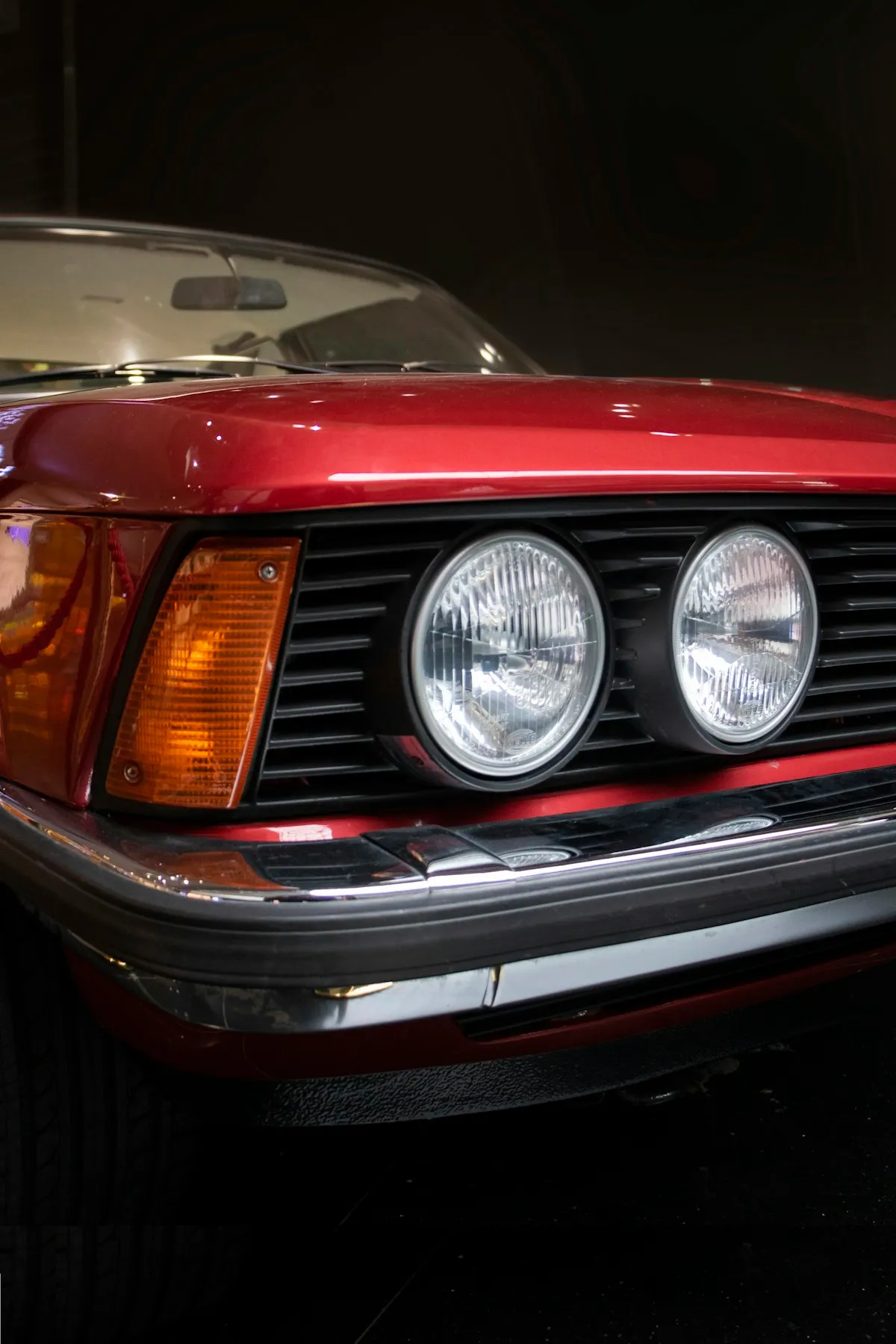
The patina conversation in classic car circles has matured over the last decade. What started as a few preservation-class purists protecting genuinely irreplaceable finishes has grown into a broad movement where original paint on survivor-grade cars commands real money at auction. But the line between “valuable original patina” and “dingy old paint that’s actively deteriorating” isn’t always obvious, and owners who default to “preserve everything” sometimes end up with cars that got worse instead of cars that got better. This is the framework I use when evaluating whether to preserve original finish or commit to a full respray — and when the decision is more complicated than either extreme.
Key takeaways
- True collectible patina is original factory finish with aging that stopped at a specific point — not continuing deterioration
- Paint that’s actively failing (peeling, lifting, or rusting through) is no longer patina in the collectible sense and won’t recover
- Survivor-grade cars command a premium primarily in specific market segments — not every old car benefits from staying original
- A partial repaint or preservation treatment is often a better choice than either full respray or full preservation
- The decision is easier when you know who the next owner is going to be and what they value
What patina actually means
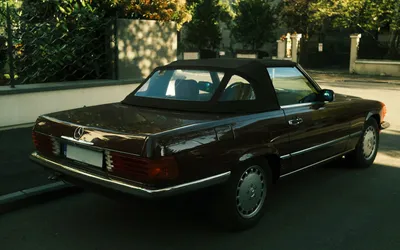
Patina, in the classic car context, refers to original factory finish that has aged naturally and gracefully. The clearcoat may have thinned. Single-stage paint may have oxidized on horizontal surfaces. The color may have shifted slightly from the original specification. But the underlying paint film is intact, the body is structurally sound, and the aging process has reached a point where additional deterioration is slow or has effectively stopped.
Key markers of genuine collectible patina:
- Original factory paint — not a period-correct respray from the 1970s
- Aging that’s consistent with the car’s age and storage history
- No active rust, peeling, or lifting of the paint film
- Surface wear that’s proportional to the car’s documented use
- The car has been stored indoors for most of its life
The crucial word is “stabilized.” Patina that’s still actively deteriorating — paint that’s lifting, rust that’s progressing, clearcoat that’s failing in sheets — isn’t collectible patina. It’s a car that’s in the process of losing its finish, and preservation efforts may slow but won’t stop the decline.
When preservation is the right answer
Preservation is the right answer when three conditions align: the original finish is intact and stable, the car is in a market segment where survivor-grade condition commands a premium, and the intended use allows for careful handling that won’t accelerate deterioration.
Examples of cars where preservation is clearly the right move:
- Early muscle cars in under-preserved colors with original paint and documented low ownership chains
- Japanese domestic market performance cars with original paint that has survived better than most examples
- Pre-war and early post-war cars where original finish is increasingly rare and specifically valued
- Show-quality survivor-grade cars in concours-oriented collections
In these cases, a respray — even a perfect respray — reduces the car’s value. The market pays a premium for the specific thing that cannot be recreated: the original factory finish with its specific aging history. A repaint resets the car to “like all the others” in a market that values “this one is different.”
When repaint is the right answer
Repaint is clearly the right answer when the original finish has failed to the point that it cannot be stabilized, when the car is in a market segment where paint originality isn’t specifically valued, or when the car’s intended use is as a driver and the preservation effort isn’t compatible with how the car will be used.
Examples of cars where repainting is the right move:
- Restomodded or modified cars where the build philosophy prioritizes presentation over originality
- Daily-driven or frequently-driven classics where weather exposure will continue to degrade any existing finish
- Cars where rust has penetrated the body structure and proper repair requires paintwork anyway
- Cars in market segments (most modified cars, some restomods, cars where the owner’s use pattern doesn’t align with preservation) where original paint doesn’t command a meaningful premium
A high-quality respray in the correct color and with appropriate attention to detail is a genuine improvement on these cars. The paint job should outlast the next phase of ownership, present well at shows and meets, and protect the underlying metal from further environmental damage.
The middle-ground options
Many cars fall into a category where full preservation is compromised by specific areas of damage but full repaint would sacrifice more than it gains. The middle-ground options matter here:
Partial repaint. Areas of specific damage or rust repair get repainted while intact original areas are left alone. This is technically harder than either extreme — blending new paint to match aged original is a skill most body shops don’t have — but can produce results that preserve most of the car’s value while addressing specific failures.
Preservation treatment. Professional detailing and preservation services can stabilize aging paint, address oxidation, apply protective coatings, and in some cases slow the aging process significantly. This isn’t a replacement for paint that’s failing, but for paint that’s aged and vulnerable, it can extend the preservation window by years.
Color-matched spot repair. Small damage from chips, scratches, or localized rust can be addressed with color-matched touch-up and clearcoat sealing without committing to larger painting work. Most bodywork shops can do this well, and the work is often invisible if done properly.
Reading the market
The decision about preservation versus repaint depends significantly on the market segment. A few patterns worth recognizing:
Concours and preservation-class segments: preservation almost always wins. The buyers in these markets specifically want original finish, and the auction houses have developed language and certifications (Preservation Class, FIVA-classified, Survivor-series) that support premium pricing for cars that haven’t been repainted.
Restomod and modified segments: repaint is usually fine. The buyers are looking for presentation and build quality, not originality. A high-quality repaint in the chosen color is evaluated as part of the overall build.
General classic market (most muscle cars, general interest classics): the answer depends on the specific car. Highly original survivor-grade examples benefit from preservation. Cars that have already been repainted once or twice don’t gain from being repainted again; repainting well is just the right answer.
Daily-driver classics: repaint is almost always the right choice, because the preservation effort isn’t compatible with the use pattern. Driving a car in weather will continue to degrade paint regardless of what treatment is applied.
Bottom line
Patina versus repaint is a specific decision based on the specific car, the specific market, and the specific intended use. The trend over the last decade has been toward valuing original finish in more contexts, but that doesn’t mean every old car should stay as-is. The cars that benefit from preservation are the ones where original finish is genuinely irreplaceable and where the next owner will pay a premium for it. The cars that benefit from repaint are the ones where the finish is already compromised or where the market doesn’t value originality at that price point. Match the treatment to the car and the next buyer, not to a general principle.