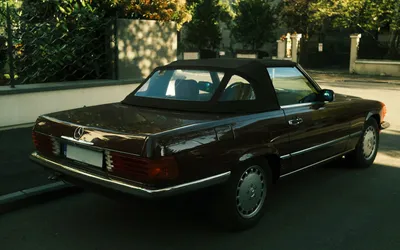
The first warm Saturday of the year is the most tempting time to be stupid with a classic car. It’s been parked for four months. The weather is finally cooperating. The temptation to pull the cover, crank it, back it out, and just go for a drive is real. That’s also exactly the sequence of events that ends with a cracked block, a brake failure in a parking lot, or a tow bill on the side of a two-lane road. Four months of sitting changes things in a car that weren’t broken when you put it away — rubber dries out, fluids settle, rodents find places you didn’t know existed, and the fuel system is often in a different state than you left it. The shakedown below is what I run through before any storage-to-driving transition, and it hasn’t let me down yet.
Key takeaways
- Cranking a car that’s been sitting without priming the oil system is the easiest way to damage bearings — manual prime or prolonged cranking with plugs out is worth the trouble
- Fuel system condition is the most common cause of shakedown problems on carbureted classics; modern EFI is usually more forgiving but not immune
- Brake hydraulics change during storage, and a brake pedal check on a jack stand before moving the car is basic risk management
- Rodent inspection is not optional, especially on anything stored in a garage with any soft material in it
- A slow, close-to-home first drive with a full set of checks between every leg of the trip is how you catch problems before they strand you
Prime the oil before it fires
An engine that’s been sitting for three to four months has oil in the pan, a dry top end, and nothing in the bearings that’s going to help on the first few rotations. On any classic with a distributor, I pull the distributor, drive the oil pump with a long extension on an electric drill, and watch the oil pressure gauge come up to full pressure before doing anything else. That prime pass gets fresh oil to the top of the head, the rockers, and every bearing surface before the engine spins under its own power.
On a car without easy distributor access, the alternative is pulling the plugs, disconnecting the ignition, and cranking the engine on the starter until oil pressure comes up. Expect 15–30 seconds of cranking depending on the engine. This is hard on the starter and battery but kinder to the bearings than running dry.
Fuel — check it, don’t trust it
Carbureted classics are where storage fuel bites hardest. If you ran non-ethanol fuel with stabilizer before putting the car away, you’re in reasonable shape. If you ran pump 91 without stabilizer, there’s a good chance the float bowls have varnish deposits and the fuel in the tank has stratified. Before I start a carbureted car after storage, I drop the float bowls, clean anything that doesn’t look fresh, and confirm the needle and seat are moving freely. Five minutes of work saves a couple of hours of troubleshooting a car that won’t idle.
On fuel-injected classics from the ’80s and ’90s, the fuel system usually wakes up cleaner. But even there, if the car has an external fuel filter that wasn’t changed before storage, it’s worth changing now — dirt and varnish that settled during storage will migrate to the filter on the first key-on, and a clogged filter drops pressure enough to cause a no-start or a rough run.
Brakes before you move
This is the step that most people skip and the one that has the highest consequence when it goes wrong. Before the car leaves the jack stands or the garage floor, press the brake pedal and hold pressure. Does it feel firm? Does it hold, or does it slowly sink to the floor? A slowly-sinking pedal is a sign of a master cylinder that’s developed an internal leak during storage, and it’s not a problem you want to discover in traffic.
After a visual check of the calipers for any obvious fluid weep, drive the car forward at walking pace and come to a full stop. Do it again in reverse. If the brakes feel right — firm pedal, no pulling to one side, no grinding — the hydraulics are probably fine. If anything feels off, the car goes back in the garage.
Rodents, leaves, and surprises
Garaged cars are not immune to rodents. A mouse that spent February in your air filter housing has been chewing wiring the whole time. The classic places to check: air cleaner, heater blower box, under the rear seat, in the glove compartment, and anywhere a dryer sheet or rag was left “to keep rodents away” (they don’t work).
Look at the wiring harness visually — anywhere you can see it, look for chewed insulation. A fresh nest of chewed fabric or paper is a sign that a thorough inspection is needed before any electrical system gets power.
Leaves and pine needles accumulating around the cowl and in fender wells hold moisture. Clear them out before the first drive; they can get wet under the hood and cause rust you weren’t budgeting for.
The shakedown drive
Once everything above checks out, the first drive is short, slow, and observational. Around the block is enough for the first leg. Come back, check under the hood for any fluid weeps, check the ground under the car for drips, feel the brake hoses and hardlines with your fingers (carefully — they may be warm), and listen.
The second leg is slightly longer — a few miles on low-traffic streets where you can pull over if something feels off. Watch the temperature gauge come up to normal operating temp and stabilize. Check that the charging system is actually charging. Feel for any vibrations at cruising speed that weren’t there before storage.
Only after the car has made it through those two short shakedowns do I take it on a real drive. The pattern is deliberate: catch problems close to home where recovery is cheap.
Bottom line
A classic car that’s been sitting for four months is not the same car you put away in November. It has new problems that weren’t there before — varnish, dry seals, pressure changes, maybe a rodent issue. The shakedown process is how you force those problems to surface in your driveway instead of on the side of a road. Twenty minutes of checks before the first drive is cheap insurance. Skipping it and getting stranded is how you end up with stories people tell about you for years.