CES 2024 continued to show that automotive innovation is increasingly about how vehicles work within a digital ecosystem, not just how futuristic a concept body looks on a stage. The most useful takeaways were the ones that could affect real ownership sooner rather than later.
That means paying attention to software, charging, cabin usability, and the technologies that quietly shape the next round of mainstream vehicles.
Key takeaways
- Software-defined vehicle ideas are becoming normal industry language.
- AI is increasingly present in interface and workflow discussions.
- Charging and energy management remain core practical themes.
- Supplier and platform technology often matters more than concept-car spectacle.
- The best CES takeaways are the ones that improve real driving and ownership.
The car is increasingly a software platform
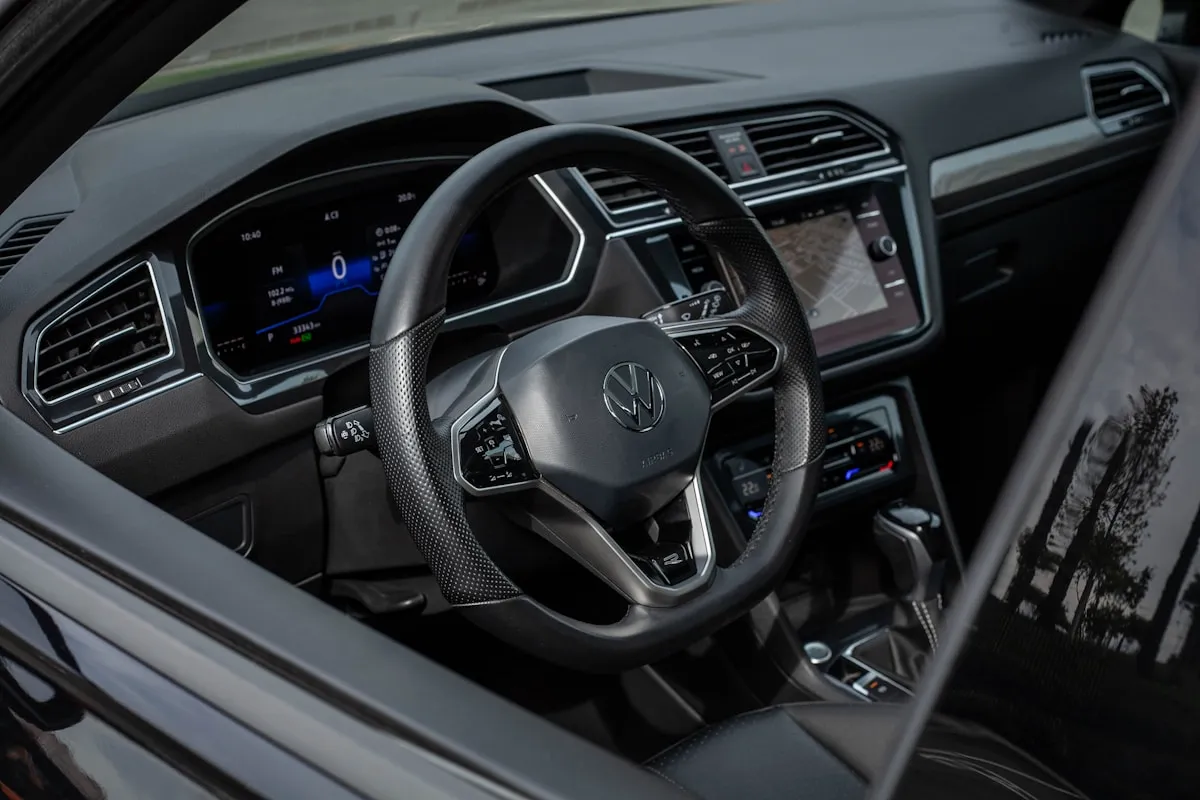
CES 2024 reinforced how much vehicle development is now tied to software integration, feature updates, and digital architecture. That affects everything from interface design to how quickly manufacturers can refine features after launch.
For drivers, the practical implication is that future vehicle value will increasingly include software quality, not just hardware content.
AI matters when it improves the user experience
AI at CES can be noisy, but the automotive angle becomes interesting when it helps with interface clarity, predictive assistance, workflow, or design efficiency. In other words, AI is most useful when it reduces friction rather than just adding another buzzword to the dashboard.
That is the filter everyday buyers should use.
Energy and charging are still decisive
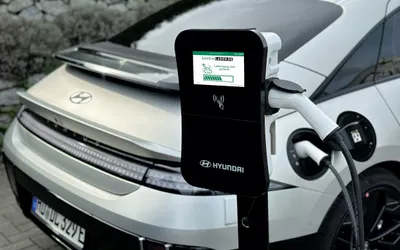
No matter how advanced the screen tech gets, charging convenience and energy management remain central to whether electrified ownership feels easy. CES 2024 continued to underline that the future of mobility depends on infrastructure and user confidence as much as on exciting vehicle hardware.
The big stage matters, but the day-to-day charging experience still wins the reality test.
Helpful references
Bottom line
Automotive technology is easiest to judge when it is tied back to real ownership. If a feature improves safety, charging confidence, usability, or planning, it matters. If it only sounds futuristic, it probably needs a second look.
That filter helps readers separate genuine value from launch-week noise and makes the article age better over time.