The second half of the model year is when manufacturers time most of their significant mid-cycle refreshes and launch-year arrivals. Vehicles that were shown at auto shows in 2025 or teased in fall 2025 start showing up at dealerships from June through year-end. Some are genuinely new platforms; many are meaningful refreshes that change the buying calculus for shoppers who have been waiting. Here’s what’s actually scheduled to arrive between now and the end of 2026, sorted by segment and with honest context on what each one represents.
Key takeaways
- Several significant performance car updates arrive in Q3 — mid-cycle refreshes that address driving-dynamics complaints from early model years
- New EV entries from legacy OEMs continue, though the launch pace has moderated from the peak-hype 2022–2023 period
- Truck segment gets meaningful updates from multiple manufacturers, with a particular focus on powertrain variants
- The shift in hybrid-to-pure-EV mix is notable — more manufacturers are launching hybrid variants of vehicles that were initially announced as EV-only
- Luxury segment continues to proliferate trim levels and special editions rather than launching genuinely new vehicles
Performance and enthusiast arrivals
Several significant performance car updates are timed for Q3 arrival. The 2027 Toyota GR Corolla Morizo update — covered in earlier reporting — brings power and chassis changes that address specific complaints about the current model. Honda’s Civic Type R refresh adds a limited-slip differential option that was conspicuously absent from the current generation. Ford is continuing to expand the Mustang lineup with a handful of additional special editions and package options.
Porsche is expected to bring its updated 911 GT3 refresh to dealers in the second half, with meaningful chassis updates and some mechanical revisions. BMW’s M2 and M3 lines are seeing Competition Sport and CS-level specification changes. AMG continues its model proliferation with several additional 63 S and 63 E Performance variants.
What’s not arriving in H2 that buyers might be waiting for: the rumored Toyota Celica revival has been pushed further out. The expected Nissan 400Z Nismo variant has had limited official communication. A handful of Stellantis-brand performance variants that were teased in 2024 appear to have been postponed.
EV launches — pace moderating
The second half of 2026 brings several new EVs to market, but the launch pace has slowed compared to 2022–2024. Legacy OEMs are launching fewer new nameplates and focusing more on refreshing existing ones. The specific new arrivals worth watching:
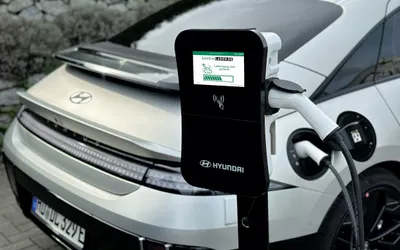
A significant refresh to multiple existing mainstream crossover EVs brings range improvements, charging speed increases, and infrastructure compatibility updates. These are not brand-new vehicles but they represent meaningful changes in the vehicles’ ownership experience.
Several new luxury EV launches are scheduled for late 2026 — the segment continues to see new entries, particularly from European manufacturers. Pricing on these has trended slightly downward from early luxury EV launches, with MSRPs in the $70,000–$95,000 range being more common than the $110,000+ range that dominated 2022–2023 launches.
Performance-focused EVs continue to be announced but many have had their launch dates shifted into 2027. The pace of delivering high-performance EV variants has been slower than the initial announcements suggested, reflecting the engineering complexity of combining high power output with thermal management that works for sustained track-style use.
Truck segment updates
Truck buyers have several meaningful launches and refreshes to watch. Ford’s F-150 lineup continues to expand with additional hybrid powertrain variants and package option changes. Ram’s half-ton lineup is getting meaningful refresh treatment. GM is expanding the Silverado/Sierra lineup with additional trim levels and power variants.
The most interesting pattern in the truck segment is the rebalancing toward hybrid powertrains. Vehicles that were initially announced as EV-only are getting hybrid variants, and vehicles that were hybrid-available are seeing hybrid take larger share of sales. The F-150 Hybrid continues to outsell the Lightning, and similar patterns are emerging across competitors.
The Chevrolet Silverado EV and Ford F-150 Lightning refresh cycles remain in planning for later in 2026 and early 2027. Current model year versions of both will continue to be available with modest MY-over-MY updates.
Hybrid variants proliferating
One of the clearer industry trends for H2 2026 is manufacturer emphasis on hybrid powertrain variants of vehicles that were initially positioned as EV-first. Crossovers and SUVs that debuted as EV-only launches are getting hybrid variants. This is partly a response to consumer demand patterns — hybrids have continued to outsell pure EVs in most segments — and partly a strategic repositioning for manufacturers dealing with charging infrastructure and battery cost constraints.
For buyers considering purchase in the second half of 2026, this means more hybrid options will be available at dealerships across segments that previously required choosing between gas-only or EV-only. The hybrid variants typically slot between the two in pricing and offer the range flexibility that some buyers value.
Luxury segment trim proliferation
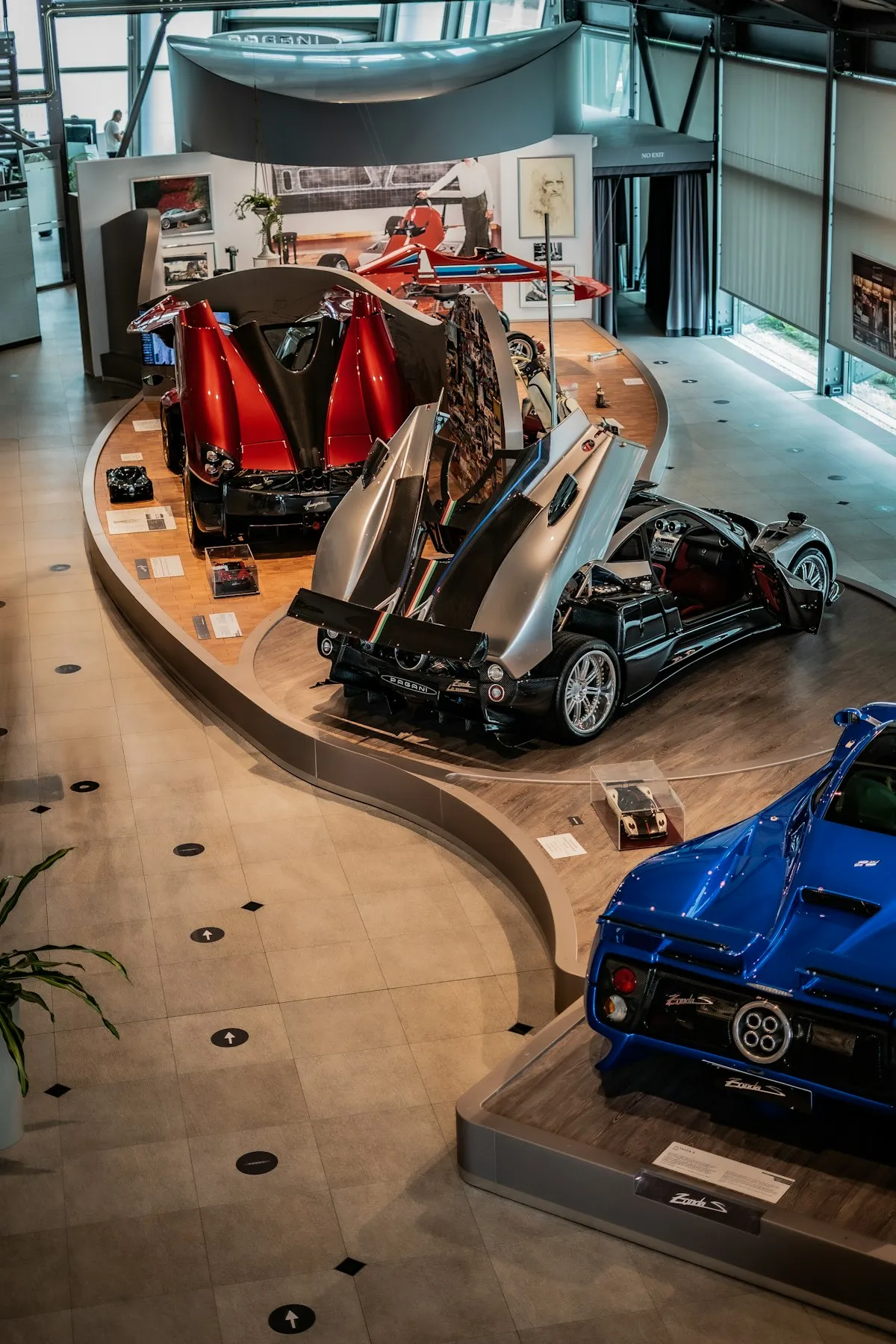
The luxury segment is doing less launching of genuinely new vehicles and more proliferation of trim levels, special editions, and package options. Mercedes AMG continues to add variants. BMW’s M division has multiple Competition and CS level variants in planning. Porsche has several 911 variant announcements pending. Bentley, Rolls-Royce, and similar premium brands are producing more limited-edition variants than net-new vehicles.
For buyers in the luxury segment, this means more choice in configuration and more differentiation in pricing, but fewer genuinely new platforms to cross-shop. The vehicles that matter are largely the ones that have been on sale for some time, and most of the H2 activity is around what trim of those vehicles to buy rather than what new vehicle to buy.
What I’d shop in H2 2026
For buyers with flexibility on timing, the H2 arrivals worth waiting for in specific segments:
- Performance enthusiasts cross-shopping a current Civic Type R should wait for the refresh with the LSD option
- GR Corolla buyers should wait for the Morizo update if the current car’s specific complaints match their concerns
- Truck buyers considering hybrid should wait to see the expanded hybrid variant options
- Luxury EV shoppers may see better pricing on current-generation vehicles as new arrivals enter the market
- Enthusiasts waiting for any of the deferred launches (Celica, 400Z Nismo variants) should recognize these may not arrive in 2026 at all
For buyers in segments where H2 changes are modest or where waiting doesn’t improve the specific purchase, the current market conditions with better inventory and meaningful incentives may actually favor buying now rather than waiting.
Bottom line
The second half of 2026 has real content arriving — performance refreshes, new EV variants, expanded hybrid availability, truck segment updates. But it’s not a dramatic reset of the new-car landscape. For shoppers considering a purchase, the question is whether the specific vehicle you want is getting a meaningful H2 change or whether the current version is what you’d drive regardless. For many buyers, the current inventory conditions with reasonable incentives are a better opportunity than the H2 arrivals will be.