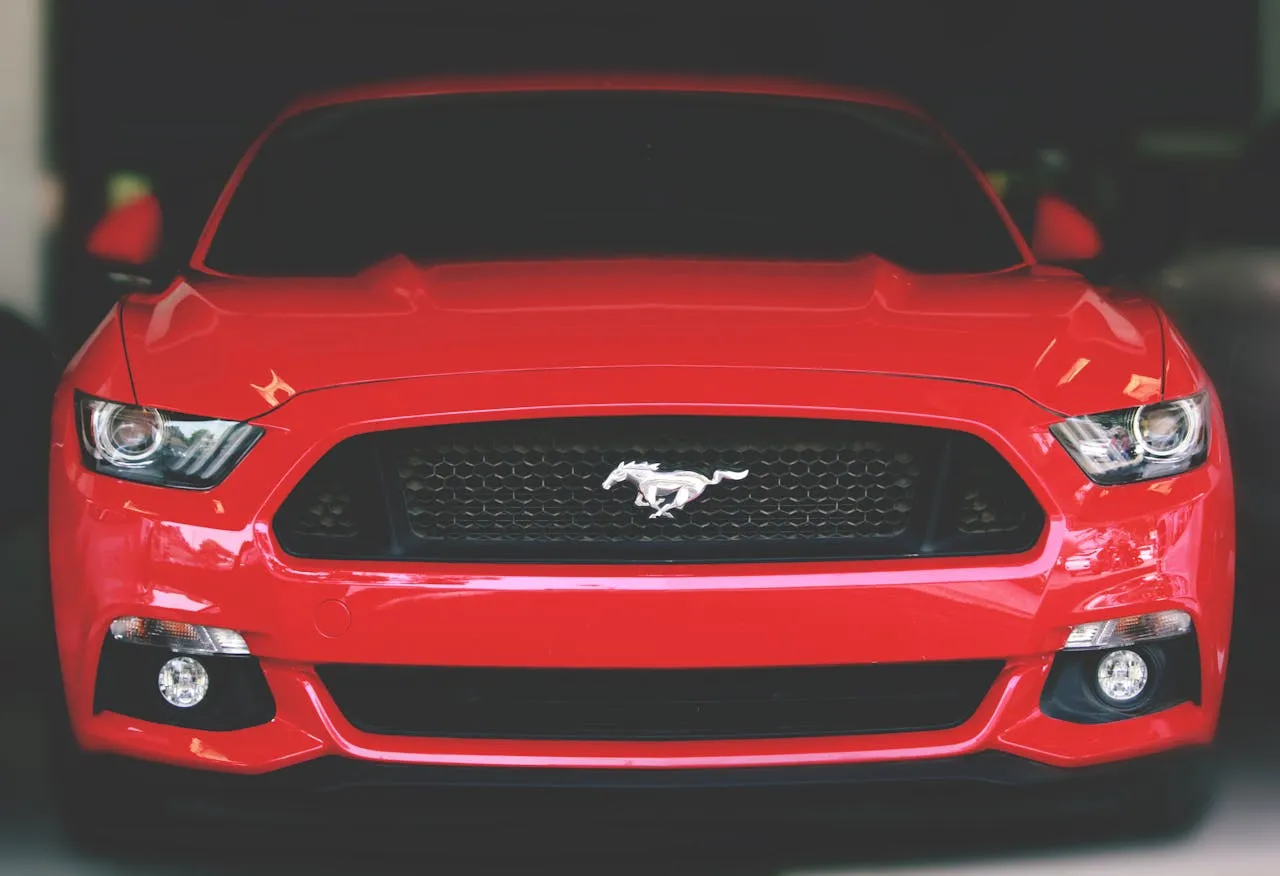
Ford just revealed pricing for the 2026 Mustang Dark Horse SC, and the number — $103,490 to start — is going to split the room. For some, it’s validation that a factory supercharged Mustang belongs in the same conversation as European track cars. For others, it raises a question the aftermarket has been answering for decades: why not just build your own?
- The Dark Horse SC uses a supercharged 5.2L V8 paired with a 7-speed dual-clutch transmission — no manual option
- Pricing starts at $103,490, with the optional Track Pack pushing it past $140,000
- Next-generation MagneRide dampers and a redesigned aero package generate 2.5x the downforce of the standard Dark Horse
- The carbon fiber wing, functional hood vent, and ducktail decklid are not cosmetic — they are wind-tunnel-developed for track use
- Orders open spring 2026 with deliveries expected late in the year
What Ford Put Under the Hood
The SC gets a supercharged version of the 5.2-liter Voodoo-derived V8, though Ford has not published official horsepower figures yet. The engine is paired exclusively with a 7-speed dual-clutch transmission — no Tremec manual, no torque converter auto. Ford is clearly positioning this as a precision tool, not a drag strip bruiser, and the DCT choice reflects that.
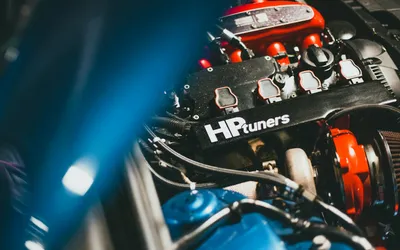
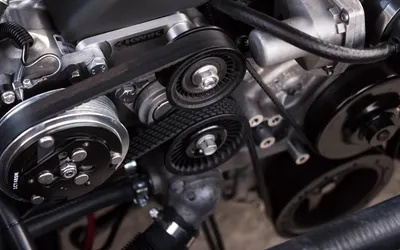
The powertrain is backed by a reworked cooling system with larger heat exchangers, which matters more than peak numbers for anyone planning to run sessions at the track. Supercharged cars generate serious heat, and factory cooling that can handle sustained abuse is one of the hardest things to replicate in an aftermarket build.
The Chassis and Aero Story
This is where the SC separates itself from a bolt-on supercharger kit. Ford redesigned the front subframe, added next-generation MagneRide 4.0 dampers, and developed an aero package that produces 2.5 times the downforce of the standard Dark Horse. The carbon fiber rear wing is not a visual add-on — it is a structural, wind-tunnel-tested component tied to the car’s balance at speed.
The hood features a functional top vent that extracts underhood heat while contributing to front-end downforce. Combined with a new front splitter and ducktail decklid, the car is designed to stay planted through high-speed corners, not just accelerate in a straight line.
$103K vs. Building Your Own
Here is the real conversation for enthusiasts. A new Mustang GT starts around $43,000. A quality supercharger kit from Whipple or Roush runs $8,000 to $12,000 installed. Add coilovers, bigger brakes, and some aero, and you are looking at $60,000 to $70,000 all-in for a car that might match the SC’s straight-line numbers.
But matching the integrated engineering is a different story. Factory calibration of the DCT, MagneRide tuning that accounts for the added power, and an aero package validated in a wind tunnel are not things you can replicate in a garage. The SC also comes with a factory warranty, which disappears the moment you bolt on an aftermarket blower.
For track-focused buyers, the math may actually favor the SC. For street enthusiasts who want the sound and the pull without chasing lap times, a built GT will deliver most of the experience for significantly less money.
The Track Pack Question
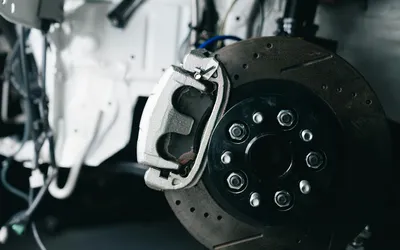
The optional Track Pack adds $36,500 and includes carbon ceramic brakes, a more aggressive alignment setup, lightweight wheels, and additional cooling. At nearly $140,000 fully loaded, it puts the Mustang in territory occupied by the Porsche 911 GT3 and BMW M4 CSL.
Whether Ford can justify that price depends on how the car performs at the track. The standard Dark Horse already impressed reviewers with its handling balance — if the SC builds meaningfully on that, it could be the first American car to genuinely compete with European track specials on their own terms.
Helpful References
- Ford Mustang Dark Horse SC reveal details — Ford Authority
- Dark Horse SC specs and pricing breakdown — Motor1
Bottom Line
The Dark Horse SC is Ford’s most ambitious Mustang in years, and the price reflects it. Whether it makes sense depends on what you want from the car. For track use with factory backing, it is a serious machine. For street performance, the aftermarket still offers more bang per dollar — and always will.