The three most common first performance modifications are a cold air intake, a cat-back exhaust, and an ECU tune. Each one changes a different part of the driving experience, and the “best” choice depends entirely on what you’re actually trying to improve. Horsepower numbers get all the attention, but sound, throttle response, and drivability matter just as much for a daily driver.
Key takeaways
- Cold air intakes change sound character and add modest power, usually 5-15 horsepower on naturally aspirated engines
- Cat-back exhausts deliver the most noticeable change in sound and can add 10-20 horsepower depending on how restrictive the stock system is
- ECU tunes unlock the largest power gains, especially on turbocharged platforms, but carry warranty and emissions implications
- Stacking all three produces the best results, but order matters for turbocharged vs. naturally aspirated engines
- CARB compliance determines whether your modifications are street-legal in emissions-testing states
Cold air intakes: what you’re really getting
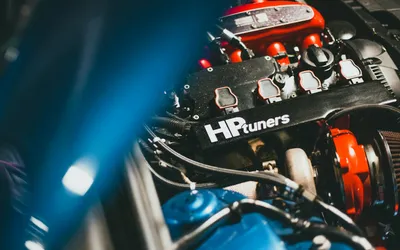
A cold air intake replaces the factory airbox and intake tube with a less restrictive setup that draws cooler air from outside the engine bay. On most naturally aspirated cars, expect 5-15 horsepower at the wheels. The gains come from reduced restriction and slightly denser air charge, though real-world improvement depends heavily on how restrictive the stock intake was to begin with.
The bigger change is sound. An aftermarket intake amplifies induction noise, the whoosh and growl you hear when you get on the throttle. On some cars, this transforms the character of the engine. A Mustang GT with a cold air intake sounds significantly more aggressive at wide-open throttle, even if the dyno numbers don’t move dramatically.
On turbocharged cars, intakes matter more because the turbo is a pump that benefits from less restriction on the inlet side. A quality intake on a turbo platform can support additional power gains when paired with a tune. Without the tune, though, the ECU compensates for the increased airflow and the gains stay modest.
Watch for CARB compliance if you live in a state with emissions testing. California and states that follow CARB standards require aftermarket intakes to carry an Executive Order (EO) number. Running a non-compliant intake can result in a failed smog check regardless of actual emissions output.
Cat-back exhausts: sound and flow
A cat-back exhaust replaces everything from the catalytic converter back, the mid-pipe, resonator, muffler, and tips. Since it doesn’t touch the catalytic converter, it’s emissions-legal in all 50 states. This makes it the safest performance modification from a compliance standpoint.
Power gains depend on the vehicle. Cars with particularly restrictive stock exhausts, like many turbocharged four-cylinders, can pick up 10-20 horsepower from a freer-flowing cat-back. V8s with dual exhaust from the factory typically see smaller gains because the stock system already flows reasonably well.
The real reason most people buy a cat-back is sound. A good exhaust system changes the tone, volume, and character of the engine note in a way that makes the car feel faster even at the same speed. The trick is finding the right balance. Too loud and you’ll hate highway cruises. Too quiet and you won’t notice a difference. Research specific exhaust options for your platform, because the same brand can sound completely different on different cars.
Material matters for longevity. Stainless steel systems cost more upfront but resist corrosion indefinitely. Aluminized steel saves money but deteriorates in salt-belt climates. Titanium is the lightest option and sounds distinctive, but the price premium is substantial.
ECU tunes: the biggest lever
An ECU tune modifies the engine’s software to change fuel maps, ignition timing, boost targets (on turbo cars), and transmission shift points. On turbocharged platforms, a Stage 1 tune on pump gas routinely adds 40-80 horsepower. That’s more than intakes and exhausts combined, and the only physical change is a software flash.
Naturally aspirated engines see smaller gains from tuning, typically 10-25 horsepower, because there’s less headroom in the calibration. The improvements tend to show up as sharper throttle response and smoother power delivery rather than big peak numbers.
The trade-off is warranty risk. Most manufacturers can detect that the ECU has been reflashed, and a modified tune can void powertrain warranty coverage. Some tuning companies offer warranty programs, and some dealers are more lenient than others, but it’s a gamble. If you’re still within the factory warranty period, weigh the power gains against the cost of a potential engine or turbo replacement.
Emissions are also a factor. Tunes that remove or alter emissions-related parameters can cause a failed inspection. Reputable tuning companies offer emissions-compliant calibrations, but they’re more conservative than full “performance” tunes.
Stacking modifications: order matters
The best results come from combining all three, but the order depends on your engine type.
For turbocharged cars, start with the tune. It’s the biggest single gain and helps the ECU take full advantage of bolt-ons you add later. Follow with an intake to support the increased airflow demands, then add the exhaust for sound and a bit more flow.
For naturally aspirated cars, start with the exhaust. It delivers the most noticeable change in driving experience through sound and modest power. Add the intake next for additional induction noise and a small bump in airflow. Save the tune for last, when the tuner can optimize the calibration for the full combination of parts.
A dyno session after each modification tells you exactly what you gained. Without data, you’re guessing, and butt-dyno impressions are notoriously unreliable.
Cost and value comparison
A quality cold air intake runs $250-$450 for most platforms. Cat-back exhausts range from $500 for basic aluminized systems to $2,000+ for titanium. ECU tunes typically cost $400-$700 for an off-the-shelf flash, or $600-$1,000+ for a custom dyno tune.
Dollar-per-horsepower, tunes win on turbocharged cars by a wide margin. On naturally aspirated cars, the value equation is closer because the gains are smaller across all three modifications.
Installation costs vary. Intakes are a straightforward DIY job, usually 30-60 minutes with basic hand tools. Cat-back exhausts can be DIY’d with jack stands and patience, but a shop install runs $100-$200 and saves frustration. ECU tunes are typically a plug-in flash or a mail-in service for the ECU.
Helpful references
- CARB Aftermarket Parts Database – Check EO numbers for emissions-compliant intakes and parts
- SEMA Garage – Emissions testing and compliance resources for aftermarket parts
Bottom line
If you want the most dramatic change in how the car feels and sounds, start with a cat-back exhaust. If you want the biggest power gain per dollar on a turbo car, start with a tune. Cold air intakes are the easiest install and a solid complement to either, but they’re rarely the mod that transforms the experience on their own. Match the modification to your actual goal, not just the horsepower number.