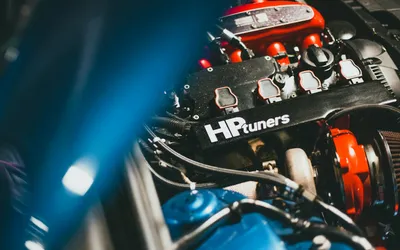
If you want the most measurable power for your money, a tune almost always wins — but only on a turbocharged or supercharged engine. On a naturally aspirated car, an intake or exhaust changes sound and throttle feel far more than it changes the dyno number. So the right first power mod depends on what your engine is and what you actually want: more noise, more response, or more speed.
Key takeaways
- On turbo/supercharged engines a stage 1 ECU tune is the biggest single gain — often 15–30% more power.
- On naturally aspirated engines, intakes and exhausts add only a few horsepower; you’re mostly buying sound and feel.
- Intakes are the cheapest and easiest; tunes carry the most warranty, emissions, and reliability responsibility.
- Match the mod to your real complaint: too quiet, too lazy, or not fast enough are three different fixes.
- Tires, brakes, and a healthy maintenance baseline should come before you chase extra power.
The short answer, by goal
| Your goal | Start with | Why |
|---|---|---|
| “It’s too quiet/muted” | Exhaust (or intake) | Tone and induction noise change immediately |
| “It feels lazy off-throttle” | Intake or throttle controller | Sharpens response more than peak power |
| “I want real, measurable power” | ECU tune (forced induction) | Largest gain per dollar on boosted engines |
| “I have a naturally aspirated car” | Set expectations first | Bolt-ons give small gains; build a plan, not a one-off |
How intake, exhaust, and tune compare
| First mod | Typical cost | Realistic gain | Main benefit | Watch out for |
|---|---|---|---|---|
| Cold air intake | $150–$450 | ~3–15 hp (more on boosted) | Sound, throttle feel, easy install | CARB legality, oiled-filter MAF issues |
| Cat-back / axle-back exhaust | $400–$1,500 | ~2–10 hp on NA | Tone and character | Drone at highway speed, emissions rules |
| ECU / ECM tune | $400–$900 | 5–10% NA, 15–30%+ turbo | Biggest measurable power jump | Warranty, fuel grade, long-term hardware stress |
Numbers vary by platform, dyno, and supporting mods. The pattern holds: bolt-ons are mostly character on a naturally aspirated car, while a tune unlocks the real numbers on anything boosted.
Cold air intake: mostly sound and response
An intake replaces the restrictive factory airbox with a freer-flowing filter and tube. On most naturally aspirated engines the dyno gain is small — often single digits — but the perceived change is bigger because you hear more induction noise and the throttle feels sharper.
Intakes matter more on turbocharged engines, where they help the compressor breathe and support a tune. Two cautions: in California (and CARB states) an intake needs a CARB Executive Order (EO) number to be street legal, and over-oiled aftermarket filters can foul a sensitive mass-airflow sensor. Clean and re-oil to spec.
Exhaust upgrades: tone, fit, and legality
Exhaust work is the classic “make it sound like more” mod. An axle-back swaps the rear muffler section (easiest, mostly tone). A cat-back replaces everything behind the catalytic converter (more flow, more volume). On a naturally aspirated engine, expect a few horsepower at most — you’re buying character.
Two realities decide satisfaction: drone (the boomy resonance at cruising rpm that gets old fast on a daily driver) and emissions law. Keep the catalytic converters; deleting them is illegal for street use and fails visual and sniffer inspections in most states.
ECU tune: the biggest single jump — with strings attached
A tune (flash or piggyback) rewrites how the engine manages boost, fuel, timing, and throttle. On a turbo or supercharged car a “stage 1” tune on otherwise stock hardware can add 15–30% or more — by far the best power-per-dollar move available.
That power comes with responsibility:
- Fuel: most performance tunes require premium (91–93 octane); some offer flex or octane-specific maps.
- Warranty: the Magnuson-Moss Warranty Act means a dealer must show a modification caused a failure to deny a claim — but a flash that alters the ECU is detectable, and powertrain coverage is the most likely casualty.
- Reliability: more boost and timing means more heat and cylinder pressure. Pair aggressive tunes with cooling, fueling, and maintenance.
On a naturally aspirated engine, a tune typically adds only a few percent unless it supports other hardware — which is why NA owners usually build a plan rather than buy a single bolt-on.
Do the boring stuff first
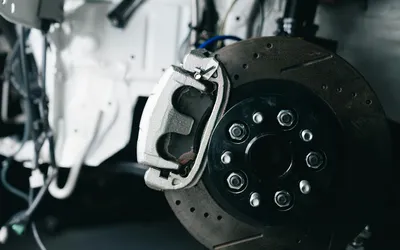
Extra power is more fun and safer when the rest of the car can use it. Fresh tires, healthy brake pads and fluid, good engine oil, and a clean intake/cooling baseline turn “theoretically faster” into “actually better to drive.” If grip and stopping aren’t sorted, that’s the real first upgrade — see Tires Before Tune.
A simple decision path
- Boosted engine + you want real numbers? Start with a reputable stage 1 tune and the fuel it asks for.
- Naturally aspirated + you want noise/feel? An axle-back exhaust or intake scratches that itch cheaply.
- Car feels unresponsive, not slow? Try an intake or a throttle response controller before spending on power.
- Not sure / on a budget? Sort tires and maintenance, then pick the one mod that fixes your single biggest complaint.
The mistake that wastes the most money is buying the mod your friends bought instead of the one that fixes what your car is missing.
Helpful references
- CARB aftermarket parts guidance
- SEMA Garage emissions compliance
- FTC on the Magnuson-Moss Warranty Act
Keep reading on Chariotz
- Tires Before Tune: The Smartest First Upgrade for Grip and Braking
- Throttle Response Controllers: What They Change and What They Do Not
- Best First Tuner Car: How to Pick a Project You Can Actually Finish
- Beginner Bolt-Ons: Which Performance Mods Deliver the Best Value First
- Customizing a Car on a Budget Without Wasting Money
- Car Upgrades You Might Want to Skip
- Explore more car customization guides