December is the month when car ads get louder, dealers get more aggressive, and the temptation to sign on a leftover 2025 model reaches its peak. But the question of whether to buy now or wait for 2026 model year incentives depends on more than just the sticker price. Financing terms, model refreshes, tax credits, and your own timeline all factor in.
Key takeaways
- Leftover 2025 models carry the biggest discounts, especially on slow sellers and outgoing designs
- Waiting for 2026 incentives is a gamble — manufacturer programs change quarterly and aren’t guaranteed
- Interest rates matter as much as the sale price; a half-point rate difference changes your total cost by hundreds
- EV tax credit eligibility shifts with each model year, so verify before assuming the credit applies
- Buying the car you need when you need it usually beats trying to time the market perfectly
The case for buying a leftover 2025
Dealers pay carrying costs on unsold inventory. A 2025 model that’s been on the lot since summer is costing the dealership money every month in floorplan interest, insurance, and opportunity cost. By late December, the motivation to clear these units is real. Manufacturer-to-dealer incentives, customer cash rebates, and negotiable margins are all at their widest on aged inventory.
The best deals typically land on models that didn’t sell well during the year. If a particular trim was over-ordered or a competitor outsold it, the remaining units get steeper discounts. This doesn’t mean the car is bad — it means the market dynamics worked in your favor. A perfectly good sedan or SUV that sat because buyers gravitated toward a fresher competitor is a smart purchase at the right price.
Outgoing designs are another sweet spot. If the 2026 model year brings a significant refresh or redesign, the 2025 version drops in perceived value and dealers price accordingly. You get last year’s design at a substantial discount. The trade-off is that your vehicle starts depreciating as an older generation the moment the new one hits lots, which affects resale value if you trade frequently.
The case for waiting
Manufacturer incentive programs reset with the new calendar year and new model year launches. January and February sometimes bring aggressive financing offers on 2026 models as manufacturers push to start the year strong. Zero-percent financing or 1.9% APR on a new model year can offset the sticker price advantage of a discounted leftover.
If the vehicle you want is getting a meaningful update for 2026 — new powertrain options, improved infotainment, better driver assistance features, or a visual refresh — waiting makes sense if those changes matter to you. Buying the outgoing model to save $2,000 doesn’t always pencil out if the new version addresses specific complaints you’d have lived with for years.
The risk of waiting is that incentive programs aren’t announced in advance. What looks like a sure bet for a strong 2026 launch deal could turn into modest offers if demand is high or inventory is tight. You’re betting on future deals that don’t exist yet against current deals that do.
Financing deserves its own calculation
Too many buyers fixate on the purchase price and treat financing as an afterthought. A $1,500 rebate on a leftover 2025 financed at 6.5% costs more over 60 months than a 2026 at sticker price financed at 2.9%. Run the numbers both ways using a loan calculator before deciding.
Get pre-approved through your bank or credit union before visiting any dealer. This gives you a baseline rate to compare against dealer financing offers. Sometimes the dealer can beat your rate because manufacturers subsidize financing through their captive lenders. Other times the dealer’s rate is padded with margin. Having your own number keeps the comparison honest.
Lease programs are especially worth comparing at year-end. Residual values on leftover models can be set favorably to move inventory, resulting in lower monthly payments than you’d expect. If you lease, the resale value concern of buying an outgoing design disappears since you’re handing the car back.
EV tax credits add another layer
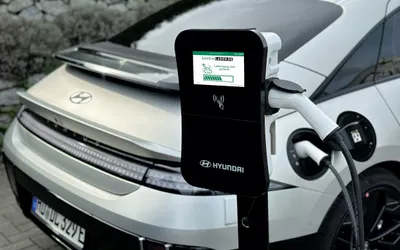
For EV and plug-in hybrid shoppers, the federal tax credit situation requires vehicle-specific research. The Clean Vehicle Credit eligibility list changes based on assembly location, battery component sourcing, and MSRP caps. A model that qualified for $7,500 in 2025 might qualify for a different amount — or not at all — in 2026.
If you’re buying an EV and it currently qualifies for the full credit, that’s a known quantity. Waiting to see if the 2026 version qualifies is a gamble, especially as sourcing requirements tighten. The point-of-sale credit transfer that lets you apply the credit as a price reduction at the dealer makes this easier to factor into your deal right now.
Check FuelEconomy.gov for the current list of qualifying vehicles and credit amounts. Some manufacturers have been proactive about adjusting supply chains to maintain eligibility, while others have lost partial or full credit qualification as rules evolved.
How to decide
Start with need, not deals. If your current vehicle is reliable and meets your needs, waiting costs nothing. If you’re driving something unreliable, unsafe, or expensive to maintain, the best time to buy is when you need a car — December deals or not.
If you’ve narrowed your choice to a specific model and the 2025 version meets your requirements, check current inventory and incentives. Get a real quote — not an online estimate — from at least two dealers. Compare that against what you’d realistically spend on a 2026 if you waited three to four months.
Factor in the total cost: purchase price, financing charges over the loan term, tax credits if applicable, and projected depreciation if you plan to sell or trade within five years. The cheapest sticker price doesn’t always produce the lowest total ownership cost.
Helpful references
- KBB — New Car Pricing and Incentives
- IIHS — Vehicle Safety Ratings
- FuelEconomy.gov — EV Tax Credit Eligibility
Bottom line
Year-end deals on leftover 2025 inventory are real, and they can be significant on the right vehicles. But don’t let urgency override math. Compare total cost including financing, factor in any 2026 changes that matter to you, and buy when the numbers work — not because the calendar says December.