
The first-quarter sales data is in, and the numbers don’t tell a single story — they tell about six of them depending on the segment. Full-size trucks are stacked on lots in some regions and scarce in others. Mainstream SUVs are sitting on dealer lots for longer than they have in three years. A handful of performance models are still allocation-limited. And EV inventory moved in two directions at once: some nameplates are sitting 90-plus days, others sold through within the quarter. If you walked onto a dealer lot in March and got a generic “we’re tight on inventory” pitch, the person running that pitch probably wasn’t looking at their own data.
Key takeaways
- Mainstream crossover and SUV days-supply has lengthened into the 70–90 range on several models, which meaningfully changes negotiating leverage
- Full-size trucks remain the most regionally variable segment — Texas and the Mountain West are tight, much of the Midwest and Northeast is not
- A narrow set of performance and enthusiast models remains allocation-constrained, and trying to negotiate on those will waste your time
- EV inventory split hard: legacy OEM EVs are piling up; a few specific models continue to sell close to MSRP
- Manufacturer incentives are returning on models that were incentive-free for three years — cash-on-the-hood and subvented financing are both back
The days-supply numbers actually matter again
For the first time since 2021, dealers are looking at days-supply numbers that create genuine pressure to move metal. Industry average days-supply sat around 75 days at the end of Q1 — that’s close to pre-pandemic normal, and notably above the 40–50 range that became typical during the inventory shortage years. When a dealership has a 90-day supply of a given model, that vehicle is costing them floor-plan interest every day it doesn’t move, and that cost changes the math on what price they’ll accept.
The segment where this matters most is mainstream mid-size SUVs and crossovers. Models from mass-market brands in the $30,000–$45,000 range are stacking up. Walk into any large-volume dealer for a Pilot, a Pathfinder, a Murano, a Blazer, or a Grand Cherokee and you should see aggressive pricing on the lot, rebates in the advertising, and a willingness to negotiate that didn’t exist eighteen months ago.
Full-size truck regional variance is real
Truck inventory is the segment where averages lie the most. Nationally, full-size pickups are showing a reasonable supply — around 80 days. But averaged numbers hide that Texas dealers are still tight on work-spec crew cabs, Mountain West dealers are moving 4x4s at MSRP, and dealers in parts of the Midwest and Northeast have trucks sitting on the lot that are genuinely hard to sell. If you’re shopping a full-size and you have any flexibility on location, crossing a state line to a dealer with a 100-plus day supply will save real money.
This also applies to commercial-oriented trims. Regular-cab work trucks and base-trim XL/WT/Tradesman packages are sitting longer than crew-cab sport trims almost everywhere.
The enthusiast exception
There are models where the allocation game hasn’t changed, and walking in expecting to negotiate on them will be frustrating for everyone. Dark Horse Mustangs in higher-spec packages, Raptor R, Z/28-equivalent trims from GM, the GR Corolla Morizo, a narrow slice of top-spec Porsches — these vehicles are being produced in low numbers and dealers know it. Market adjustments above MSRP aren’t universal on those models anymore, but they haven’t disappeared either.
If you’re shopping an enthusiast vehicle and want leverage, the better play is to find a dealer with allocation rather than expecting allocation dealers to discount. A dealer that actually has the car you want at MSRP is winning; that same dealer at $3,000 over MSRP is still a better deal than a dealer with no allocation and a promise.
EV inventory is not one market
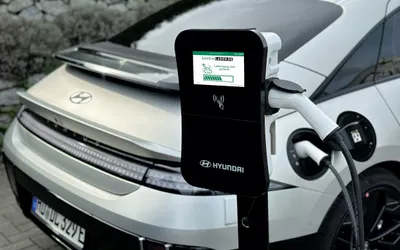
EV data is where the headlines most oversimplify what’s happening. Legacy-OEM EVs — the compliance-era models, the early mainstream crossovers, and several second-generation efforts that came in with ambitious targets — are stacking up. Some are sitting 120+ days. Those cars have real discounts, real lease support, and real cash-on-the-hood that didn’t exist a year ago.
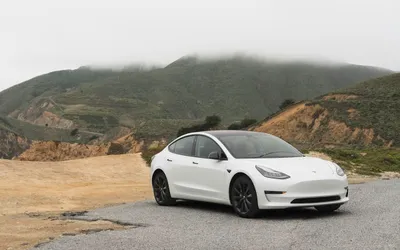
At the same time, specific EV models are still moving at or near sticker. A certain set of buyers now has clear preferences about range, charging network, and software quality, and they’re buying the cars that meet those bars. If you’re shopping EVs, separate the “I need an EV” list from the “I’ll take whatever EV” list. Dealers have figured out the difference and will price accordingly.
Incentives are finally back
The most practical signal for spring buyers: manufacturer incentives have returned on broad categories of vehicle that spent three years incentive-free. Subvented financing at sub-market rates, cash rebates on specific trims, lease support that actually reduces monthly payments — all of it is back in the advertising and all of it is real on the dealer lot.
When you see a 0.9% APR offer or a $3,500 cash rebate, that’s manufacturer money. Dealers will try to mix manufacturer incentives with their own reductions in ways that obscure the total, but you can ask for a line-item breakdown and they have to show it. Cash rebates stack with dealer discounts. Subvented financing usually doesn’t stack with cash — you pick one or the other — and the math of which is better depends on how long you’ll keep the car.
Bottom line
Spring 2026 is the first spring in a long time where a buyer with patience, flexibility, and research has real leverage on mainstream segments. The days-supply numbers tell you which models are pressured; the incentive sheets tell you where the manufacturer is pushing; regional variance on trucks tells you whether a drive is worth it. Treat blanket “we’re tight on inventory” claims with appropriate skepticism on anything outside the enthusiast niche — the data doesn’t support that pitch across most of what’s on dealer lots right now.