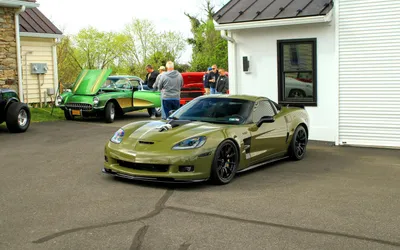
Your first car show can feel like bringing a school project to a gallery opening. Everyone else’s display looks polished and intentional, and you are wondering whether your folding chair and a microfiber towel are enough. The good news: they might be. Most local shows are far more welcoming than they appear, and the bar for a solid presentation is lower than you think.
Key takeaways
- A clean car with a simple display board beats an over-produced setup with a dirty car.
- Pack a quick-detail kit for morning touch-ups: spray detailer, microfiber towels, tire dressing, glass cleaner.
- Display boards should tell your car’s story, not list every part number.
- Show etiquette matters — respect other cars, talk to people, and leave your spot cleaner than you found it.
- Arrive early, park carefully, and give yourself time to set up without rushing.
Start with a genuinely clean car
This sounds obvious, but it is the single most important thing you can do. A car that is truly clean — paint decontaminated, glass streak-free, tires dressed, wheels spotless, interior vacuumed — will stand out at any local show regardless of how many modifications it has.
Do your full detail the day before the show. Wash, clay if needed, apply your preferred protection, dress the tires, clean the engine bay if you are comfortable opening the hood. On show morning, use a spray detailer and a clean microfiber to knock off any overnight dust or water spots. That is all you need.
The cars that look best at shows are not always the most modified. They are the cleanest. Judges and spectators notice clean glass, dressed trim, and tidy wheel wells before they notice a turbo kit.
Build a display board that tells a story
A display board is not a parts catalog. Nobody walking by wants to read a spreadsheet of part numbers and brand names. They want to know what makes your car interesting — why you built it, what inspired the direction, and what makes it different from the other cars in the row.
Keep it simple. A clean board with your car’s year, make, and model, a few sentences about the build, and maybe three or four highlight modifications is plenty. Use a readable font size. Include a photo or two if the car has a before-and-after story worth showing. Skip the QR codes linking to your Instagram — people will find you if they are interested.
Materials matter for durability. Foam board from an office supply store works fine for a first show. If you plan to attend regularly, a printed aluminum or acrylic board holds up better in sun and wind. Prop it on a small easel or lean it against the front tire. Done.
Pack a show-day kit
Dew, pollen, road dust on the drive in, fingerprints from curious spectators — your car will need touch-ups during the show. Keep a small bag in the trunk with these essentials:
A spray detailer and two or three clean microfiber towels handle most surface dust and smudges. A small bottle of glass cleaner and a waffle-weave towel keep the windows presentable. Tire dressing wipes or a small applicator let you refresh the tires without spraying product near the paint. A soft brush for vents and badges handles the detail spots that catch dust.
Do your touch-ups early, before the crowds arrive. Walking around your car with a spray bottle while judges are scoring looks frantic. A calm, already-done presentation reads much better.
Show etiquette is simple but matters
Do not touch other people’s cars. Period. This is the golden rule, and it applies even if you are genuinely trying to read a badge or check out an engine bay detail. Ask the owner. They will almost always be happy to show you.
Park within your space. If the show assigns spots, respect the boundaries. If it is open parking, leave enough room for your neighbors to open their doors and set up their displays without bumping into yours.
Talk to people. Shows are social events, and the car community rewards approachability. Answer questions about your build. Ask questions about theirs. Vote honestly if the show has a people’s-choice ballot.
When you leave, take everything with you. Fold your chair, collect your display, pick up any trash — yours or otherwise. Leaving a clean spot is the easiest way to get invited back.
Do not overdo the display
A common first-timer mistake is over-staging. LED rope lights around the perimeter, a full sound system playing music, branded pop-up tents, matching outfits. Unless you are at SEMA or a major concours, this level of production tends to feel out of place at local cars-and-coffee events and charity shows.
Match your display energy to the event. A clean car, a simple board, a chair, and a willingness to talk about your build is the right level for most local shows. Let the car be the star.
Helpful references
- How to Make a Local Car Show Feel Better Organized — Tips from the organizer’s perspective
- Goodguys Events Calendar — National show schedule and registration info
Bottom line
Show prep is mostly about cleanliness and presentation, not production value. A well-detailed car with a thoughtful display board and a friendly owner will place well and have a great time at any local event. Keep it simple, keep it clean, and enjoy the day.