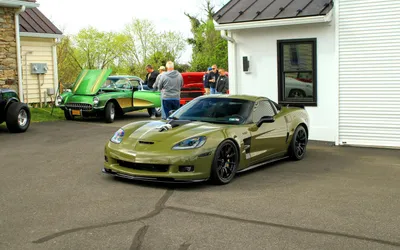
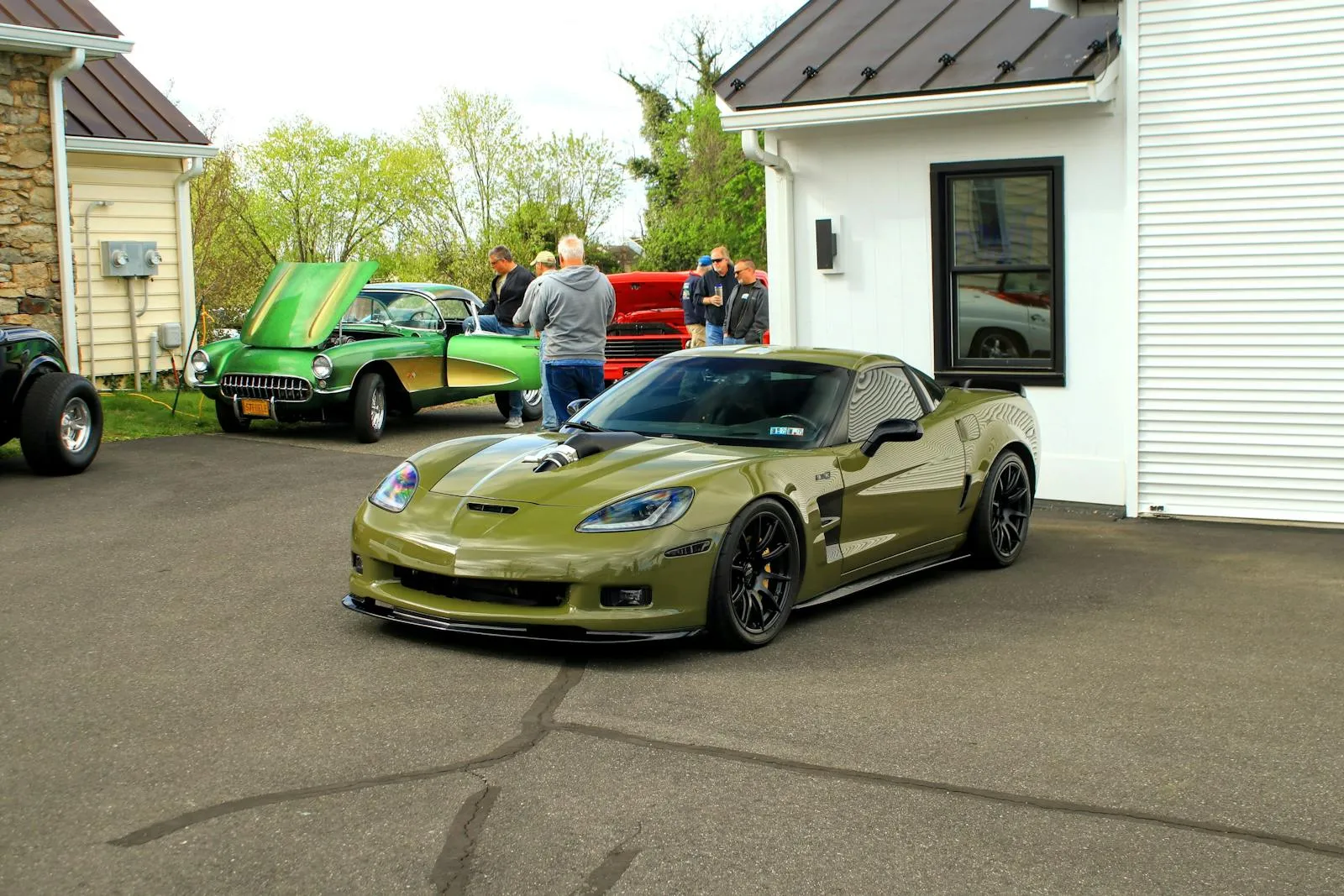
Driving event season opens in earnest in May, and every spring I hear the same question from enthusiasts who’ve been thinking about it for a while: which kind of event should I do first? It’s a real question and the answer matters more than people assume. Track days, HPDE programs, and autocross events look superficially similar — drive your car fast in a controlled setting — but they’re built around different assumptions about what you’re trying to learn and what your car can handle. Picking the right one for where you actually are as a driver is the difference between an event that gets you hooked and one that frustrates you. Here’s what each format is, what it costs, and how to decide which one to start with.
Key takeaways
- Autocross is the lowest-barrier entry point: no prep beyond a helmet, almost any car works, $30–$70 per event
- HPDE (high-performance driving education) is the structured learning environment with classroom and in-car instruction
- Track days assume you already know what you’re doing and want lap time without instruction
- The right first event depends on whether you want skill-building or just access to a track
- Most regions have all three within a 90-minute drive of any major metro — calendar season runs April through October
Autocross: the entry point that’s easier than people think
Autocross is the simplest format to participate in and the one most people should try first. Events are typically held in large parking lots — community college lots, stadium overflow lots, decommissioned airfields — with cones laying out a temporary course. Cars run one at a time, the course is short enough that a single run is around 60 to 90 seconds, and you’ll typically get four to seven runs across a half-day event.
The barriers are minimal. Most regions require a Snell-rated helmet (an SA2020 helmet runs $200 to $400 new, less used). Your car needs to be in safe mechanical condition with no fluid leaks, sound brakes, and tires with reasonable tread. Convertibles need a roll bar that meets a height requirement relative to the driver’s helmet. That’s essentially the entire equipment list.
Cost per event runs $30 to $70 for SCCA Solo or similar regional series, which makes it the cheapest motorsport you can do. There’s no entry fee gatekeeping based on car type — you’ll see Honda Fits running next to Porsche GT3s, often with the Fit drivers turning faster times because driver skill matters more than power on a course this short.
The format is forgiving. You can spin a car at autocross speed and the worst you’ll do is hit a cone. Speeds rarely exceed 60 mph anywhere on course. There’s no other car on track at the same time as you. The whole structure is designed to let drivers explore their car’s limits without putting either the car or themselves in genuine danger.
What you’ll learn is car control at the limit — weight transfer, steering inputs, when to brake and when to let off, how your car behaves when you ask it for everything it has. Those skills transfer directly to road driving and to higher-tier events later. Many drivers do autocross for years without progressing to anything else and consider it more fun than track events because of the social, accessible atmosphere.
HPDE: the structured learning environment
High-Performance Driving Education events are run by clubs and schools — local PCA and BMW CCA chapters, NASA, Hooked on Driving, and others — at full road courses. The format is typically a full or two-day event with classroom sessions, on-track sessions in run groups organized by experience level, and in-car instruction.
The structure matters. Beginner-level (often called “novice” or “green” group) drivers run with an instructor in the right seat. The instructor coaches you through corner entries, braking points, racing line, and when to lift versus when to commit. You’ll usually get three to five 20-minute on-track sessions across the day, with classroom briefings between sessions covering the next track segment or driving concept.
Cost is meaningfully higher. Two-day HPDE events at major tracks run $400 to $800, and that doesn’t include hotel, fuel, food, or any car prep. You’ll burn through brake pads faster than you expect, your tires will see heavier wear, and most cars need at least a brake fluid change to high-temperature fluid before track use. Budget $1,000 to $1,500 for your first weekend including everything.
The learning curve is real. A first HPDE day is intense — you’re processing track layout, instructor input, your car’s behavior at speeds you’ve never reached, and the social structure of the paddock simultaneously. Most drivers come away from their first event tired and exhilarated, having learned more in two days than they would in a year of street driving.
The progression structure is designed to advance you over events. After a number of days in beginner group with consistent instructor sign-offs, you advance to intermediate, then advanced, then solo. Each level removes some of the structure (no more instructor, more freedom on track) but adds expectations that you’ve internalized the discipline. Drivers who want to eventually do wheel-to-wheel racing typically come up through HPDE programs.
What you’ll get from HPDE that you won’t get from autocross is sustained high-speed driving on a real circuit, instructor coaching tailored to your specific weaknesses, and the foundational skills that scale up if you decide to take this seriously. What you give up is the casual accessibility and the lower cost.
Track days: when you already know what you’re doing
A “track day” in the strict sense is open lapping with minimal structure. You pay an entry fee, attend a brief safety meeting, and then you’re free to run on track during the assigned sessions for your run group. There’s no instructor. There’s no classroom. There’s no formal progression structure.
Track day events are run by a mix of organizations — Trackmasters, Open Track Racing, sometimes manufacturer clubs that open events to non-members. Costs vary widely: $300 to $600 for a single day at a major circuit, sometimes more for premium events at tracks like VIR or Road America.
The assumption underlying track days is that you’ve already done HPDE or have equivalent experience and don’t need or want the structure. Run groups are organized by lap-time bands rather than experience levels, which means you’re sharing track with drivers at similar pace — but the absence of instructors means there’s no one helping you go faster or pointing out what you’re doing wrong.
Track days are not the right first event for most drivers. The pace is high, the social environment assumes everyone knows the rules, and the consequences of mistakes are real. Drivers who skip the HPDE phase and jump straight to track days tend to develop bad habits, occasionally hurt cars, and miss the structured learning that would have made them faster anyway.
There’s a use case for track days when you want pure track time without the educational overhead — typically experienced drivers working on a specific car setup or training for a competitive series. For first-time enthusiasts, they’re not the right format.
How to pick your first event
The decision tree is simpler than the options suggest.
If you’ve never done anything organized with your car beyond spirited street driving, start with autocross. The cost barrier is low, the time commitment is half a day, and you’ll learn more about your car in four runs than in a year of canyon roads. If you don’t enjoy it, you’ve spent $50 and a Saturday morning. If you do enjoy it, you’ve found a hobby.
If you’ve done a few autocrosses and you want to graduate to higher-speed driving on a real circuit with structured learning, an HPDE weekend is the right next step. Pick a club that runs at a track you can drive to without towing — most stock cars can drive to a regional track and home again on the same set of street tires. The first event will be expensive and educational; the second will be more fun than you expected.
If you’re an experienced driver who’s already done HPDE elsewhere and you want pure track time, track days are appropriate. Do not start there.
If you’re not sure where you fit, default to autocross. Almost no driver regrets starting there, and a meaningful number of drivers who started with HPDE wish they’d done autocross first to build the car-control fundamentals.
What to bring to your first event, regardless of format
Some basics apply across all three formats:
A Snell-rated helmet is required everywhere. SA2020 is the current spec. SA2025 will replace it; both are accepted at most events through the transition. Borrowed helmets are usually allowed for first events but not always — check your event’s rules.
Closed-toe shoes with thin soles are easier to feel pedal feedback through than thick-soled sneakers. Skate shoes work fine. Driving shoes are not necessary for your first event.
Long pants and a long-sleeved shirt are required at HPDE and track days. Cotton is acceptable; nothing synthetic that could melt. Most drivers wear normal jeans and a t-shirt under a long-sleeve overshirt.
For autocross, just the helmet. For HPDE, a torque wrench and a small toolkit are useful but not required. For track days, you should already know what to bring.
Bottom line
The differences between autocross, HPDE, and track days matter more than the names suggest. Autocross is the right answer for almost every first-time enthusiast — low cost, accessible format, real skill-building, and forgiving consequences. HPDE is the next step when you want sustained high-speed driving with structured learning. Track days are for drivers who’ve already done both and want pure access. The mistake to avoid is jumping past autocross because it sounds less serious than the alternatives. The drivers who started there are typically the ones who are still doing this five years later, and the skills they built in parking lots show up in everything they do at higher speeds afterward.