Running a successful car meet is a specific skill, not a general disposition toward being organized. The meets that become institutions in their regions — the ones that people drive ninety minutes to attend, that have regulars spanning multiple generations, that handle bad weather without losing attendees — are built on a set of practices that the organizers have developed through direct experience. I’ve spent time with several organizers whose meets have run for a decade or more, and the patterns are consistent enough that they can be documented and taught. If you’re planning your first meet or trying to grow an existing one, here’s what the successful ones actually do.
Key takeaways
- Communicate clearly and repeatedly about the specific car culture you’re creating — not all meets are the same and attendees need to know what they’re showing up for
- Treat the first 45 minutes as organizer-active time — arrivals need direction, questions need answers, and tone-setting happens then
- Handle photography and social media expectations proactively so attendees know what their images will be used for
- Develop a repeatable relationship with a small rotating group of local vendors or partners who benefit from the attendance
- Plan for weather, parking overflow, and minor incidents before they happen rather than reacting when they do
Communicate the meet’s identity clearly
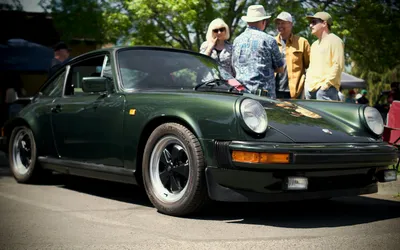
A meet that welcomes everything from F150s to Ferraris is a different meet from one focused on air-cooled Porsches. A family-friendly morning coffee is a different meet from an evening event where drivers bring their girlfriends and wives rather than their kids. A wheels-and-fitment oriented gathering is a different meet from a classics-and-restorations focused one. All of these can be legitimate meet formats, but attendees need to know which one they’re coming to before they arrive.
Successful organizers are explicit about their meet’s identity in their communications. Instagram captions, flyer text, posts in local enthusiast groups — all consistently reflect what the meet actually is. New attendees arrive knowing what to expect, and regulars arrive knowing the culture they’re participating in.
When organizers are vague about identity, meets attract mismatched attendees. A meet marketed as “all enthusiasts welcome” can draw the spectator crowd that treats other people’s cars as photo props rather than the owner crowd that respects parking etiquette. Clarity prevents this.
The first 45 minutes matter most
The opening window of any meet is where the tone gets set. Early arrivals have questions: where should I park, is this where the gathering is happening, what time does it really start versus “officially” start, where’s the coffee. The organizer who is present, visible, and actively directing traffic during those first 45 minutes is building the cultural experience of the meet.
Later in the morning, the meet runs itself. Regulars know where to park. Newcomers follow the lead of regulars. Questions get answered by other attendees. But that organic operation is only possible after the first 45 minutes established a pattern.
Successful organizers are at the venue at least 30 minutes before the meet’s official start time, have coffee for themselves and anyone who arrives early, and spend the opening window actively engaged rather than socially focused on their immediate friend group. Social time comes later in the event.
Photography and social media expectations
Every meet has attendees with cameras. Some are amateur photographers working on their craft. Some are influencers building content. Some are the car owners themselves documenting their vehicles. Most meets don’t have explicit norms around this, and attendees develop their own expectations based on what they observe.
Successful organizers get ahead of this with clear expectations in their communications. A simple statement — “photographers are welcome at this meet; please ask before publishing identifiable faces or license plates; tag the meet account when sharing” — sets the tone. Owners who want their cars photographed are fine. Owners who don’t want their personal information published have a framework for asking photographers to respect that.
The meets that handle this poorly end up with recurring conflicts — angry car owners, confused photographers, and social media posts that create awkwardness. The meets that handle it well become known as good meets to photograph, which attracts quality photographers, which improves the overall online presence of the event, which draws more attendees.
Vendor and business partnerships
A meet at a coffee shop benefits the coffee shop. A meet at a detailing business benefits the detailing business. A meet at a shopping center benefits the tenants. Successful organizers develop specific relationships with the businesses that benefit from attendance and maintain those relationships actively.
What this looks like in practice: the coffee shop where the meet happens gets a heads-up on expected attendance so they can staff appropriately. The detailing business that sponsors occasional prizes gets acknowledgment and referrals. The shopping center management gets the organizer’s contact information so any issues get handled quickly.
The return for this investment of relationship time is stability. A meet with a supportive venue doesn’t get kicked out. A meet with vendor relationships has resources for the occasional special event. A meet with community partnerships has people actively invested in its continued success.
Plan for the predictable problems
Rain will happen. Parking will overflow. Someone will drive recklessly in or out of the venue. A noise complaint will come in from a neighboring business or residence. These aren’t unusual events — they’re predictable events that happen to every successful meet over time.
Organizers who’ve been doing this for a while have specific plans for each:
- Rain: clear communication in the hours before the meet about whether it’s happening or not, and a specific decision criterion (we run if it’s light rain; we cancel if it’s heavy)
- Parking overflow: pre-identified overflow areas, clear signage or directions for when the primary area fills, and a plan for directing traffic without creating its own problems
- Reckless driving: clear and immediate intervention (“Hey, we don’t do that here”), and if it continues, a request for the person to leave
- Complaints: a direct contact number for the venue manager or affected neighbor, and a commitment to respond quickly rather than defensively
Meets that don’t plan for these situations handle them poorly when they arise. Meets that have plans handle them unobtrusively and keep running.
The longer-term investment
Running a meet that people come back to is a multi-year investment, not a single-event commitment. The first season establishes whether the meet is going to exist consistently. The second season establishes whether it’s going to grow. The third season establishes whether it’s going to become part of the local scene’s identity.
Organizers who plan for this timeline handle early-season low attendance differently than organizers who treat each meet as a standalone event. They know that building a weekly institution requires showing up on the weeks where only ten cars come as seriously as on the weeks where two hundred show up. That consistency is what eventually turns a meet into a destination.
Bottom line
A meet that lasts is the result of deliberate practice, not just enthusiastic intent. Communicate identity clearly. Be present and active during the opening window. Handle photography and social media proactively. Build vendor relationships. Plan for predictable problems. Commit to the multi-year timeline. Do these things and your meet grows; skip them and you join the graveyard of one-season events that fizzled when the novelty wore off. The work is real but the reward is too — building something the local scene actually values is one of the more satisfying things you can do as an enthusiast.