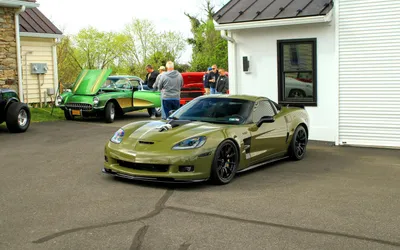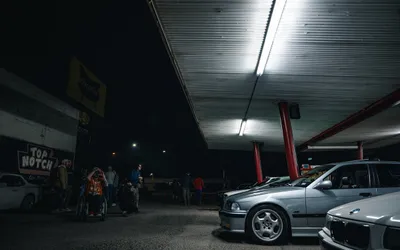
Every month somewhere in the country, a new cars and coffee starts up with good intentions and enthusiasm, and three months later most of them have faded. The ones that last — the ones that become genuine institutions in their regions — share a set of decisions the organizers made early. I’ve spent the last two seasons interviewing people who’ve been running successful meets for five, ten, and fifteen years. The patterns are clear, and they have less to do with car culture knowledge than you might expect.
Key takeaways
- Location relationship with the property owner is the single most important factor in a meet’s longevity
- Consistent timing (same day, same place, every time) matters more than any single event
- Organizer availability early in the season sets the tone for the full year
- Managing the “bad actor problem” is an active skill, not a passive hope
- The relationship with local law enforcement and neighbors is what saves a meet when an incident occurs
The location problem
Every successful cars and coffee has a property owner who actively wants them there. Every failed one either started on property where they had permission that later got withdrawn, or in a space where they were tolerated until they weren’t. Getting this right means having a conversation with the property owner — usually a business, sometimes a shopping center management company — before any flyer goes out.
The businesses that make the best partners have explicit reasons to want the foot traffic. Coffee shops, breakfast spots, and restaurants that open early on weekends benefit from a steady flow of customers during hours that are usually slow. Auto-adjacent businesses (detailing shops, performance shops, tire stores) get direct marketing value. Shopping center management companies are harder to work with because they’re usually focused on tenant complaints rather than potential upside.
The conversation to have: “I’d like to host a small automotive meet on Saturday mornings in your parking lot from 7 to 10 AM. Can we talk about what that would need to look like to work for you?” Listen to their concerns. Oil spill liability is usually a real concern — some organizers bring absorbent materials to show they’ve thought about it. Noise at opening hours matters to some businesses and not others. Trash removal is almost always a concern the organizer should commit to handling personally.
Consistency beats scale
The meet that matters is the one that happens every Saturday, not the one that happens whenever conditions are perfect. Consistent timing is what makes a cars and coffee a regular destination rather than a pop-up event. Organizers I’ve spoken with are uniform on this point: pick a day, pick a time, commit to it, and show up even on low-attendance mornings.
Skipping a week because it’s raining is usually fine. Skipping a week because “only ten people will show up” is the start of the end. The people who show up for the small weeks are your core community, and they’re the ones who bring friends back in the following weeks. Treating those low-attendance mornings as real events preserves the regularity.
Seasonal adjustments are different. Starting the season a week later in northern climates because it was still snowing is reasonable. Ending early for winter storage season is reasonable. What kills meets is irregularity within the active season.
Early-season momentum
The first three or four meets of each year set the tone for the whole season. Organizers who are personally present, available, and visible during those early weeks build the relationships that keep the community engaged through the summer. Organizers who delegate the early weeks to someone else or treat them as low-priority usually watch attendance stagnate.
This is partly about coordination (answering questions, making sure coffee is flowing, solving the inevitable parking issues) and partly about visibility. Regulars want to know the organizer. New attendees want to see someone who’s clearly running the thing. A meet with a clear organizer feels different from one without.
The bad actor problem
Every meet eventually attracts someone whose presence makes the event worse — the person who burns out when leaving, the group of cars that arrives together and parks in an impolite cluster, the kid who goes wide on the turn out of the parking lot, the person who treats the business’s property as an ashtray. Successful organizers have all developed ways to address these situations, and the universal advice is that early intervention beats late intervention every time.
“Hey, we don’t burn out here. If you want to do that, take it somewhere else.” Said directly, once, at the first instance, to the specific person. Most people respond to this correctly — they apologize or they don’t come back. The minority who escalate are the ones you learn to spot and to quietly let the business owner know about in advance, so the business has the option of asking them to leave.
Building a culture where attendees self-police is the goal. When the regulars start telling the rude kid to knock it off, the organizer doesn’t have to do as much of the enforcing. That culture takes a full season to develop. The organizer sets the tone in the first season by being direct and consistent. It also helps when new faces arrive already knowing what’s expected at a first Cars and Coffee — self-policing works best when the norms aren’t a mystery.
Law enforcement and neighbor relationships
A meet that has a relationship with local law enforcement survives an incident. A meet that doesn’t, doesn’t. The relationship doesn’t need to be formal — it’s often as simple as the organizer knowing which officer covers that area on Saturday mornings, introducing themselves early in the season, and being responsive when there’s a concern raised.
Neighbors matter too. The homes or businesses within earshot of the meet have veto power if they’re motivated enough to use it. Reaching out proactively — a note in the mailbox or a conversation at a front door — goes a long way. “We’re starting a small automotive meet on Saturday mornings in the parking lot up the street. Here’s my phone number if there’s ever a concern.” Most neighbors appreciate the gesture and become quiet supporters rather than active opponents.
Bottom line
Starting a cars and coffee that lasts is less about car culture expertise than it is about relationships — with the property owner, with the regulars who show up every week, with neighbors and local law enforcement, and with the bad actors who need to be redirected early. The organizers who’ve been running successful meets for a decade or more are uniform on this point: they’re not the best-connected enthusiasts in their market, they’re the people who showed up every week and treated the meet like a responsibility. If you’re considering starting one, that’s the commitment to prepare for.