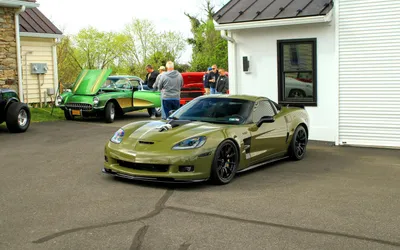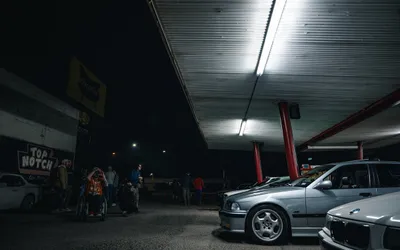

Local car shows are where car culture lives. Not SEMA, not Monterey — the Saturday morning gathering at a brewery parking lot or a fairground where fifty to two hundred cars show up and people actually talk to each other. The difference between a show that participants rave about and one they skip next year usually comes down to organization, not budget.
Key takeaways
- Pre-registration with online payment eliminates the biggest bottleneck on show day
- Fewer, broader classes produce better competition than twenty half-empty categories
- Clear signage and a printed schedule prevent the most common participant complaints
- Judging criteria should be published before the show, not revealed with the results
- Post-show results emailed or posted online within 48 hours keep participants engaged for next year
Registration flow sets the tone
The first five minutes of a participant’s experience determine their impression of the entire event. If they pull up to a chaotic entrance with no signage, wait in a slow-moving line, and then fill out a paper form while cars back up behind them, the show already feels disorganized.
Online pre-registration solves most of this. Platforms like MotorsportReg, Eventbrite, or even a simple Google Form paired with a payment link let participants register and pay in advance. On show day, pre-registered cars get a fast lane: check in, grab a dash placard, and proceed to parking. Day-of registration handles the walk-ups in a separate line so neither group slows down the other.
Print enough dash placards. Every registered car should get one with their registration number, class, and the participant’s name or car description. This small detail makes judging easier, helps spectators identify vehicles, and gives participants something tangible to show they’re part of the event.
Have volunteers directing traffic from the entrance to the registration check-in to the parking area. Two or three people with orange vests and hand signals prevent the confusion that happens when a hundred cars arrive in the same 30-minute window. Walk the route yourself beforehand and mark it with cones or signs.
Class structure: fewer is better
The most common mistake local organizers make is creating too many classes. Twenty categories for a 100-car show means most classes have four or five entries, and winning feels hollow when you beat two other cars. Consolidate aggressively.
A functional structure for a 100-150 car local show might be: Domestic Classic (pre-1980), Domestic Modern, Import Classic, Import Modern, Truck/SUV, Modified/Custom, and Best of Show. That’s seven classes. Each one should have enough entries to make the competition meaningful. You can always split a class into two if registration numbers justify it, but starting broad is smarter than starting narrow.
Define what goes where clearly and publish it before registration opens. “Modified” should have a written threshold — bolt-on modifications versus extensive fabrication, for example. Ambiguity leads to arguments, and arguments kill the vibe. If someone’s built LS-swapped Datsun doesn’t fit cleanly into Import or Modified, make a judgment call before show day and communicate it.
Consider a People’s Choice award alongside judged categories. It gives spectators a reason to walk the field carefully, and participants enjoy the democratic element. Hand out ballots at the gate and collect them an hour before the ceremony.
Judging that participants respect
Nothing frustrates show participants more than opaque judging. If people can’t understand why one car won over another, they’ll assume favoritism. The fix is simple: publish the judging criteria ahead of time and use a scoresheet.
A basic judging scoresheet might cover exterior condition, interior condition, engine bay presentation, overall stance and fitment, and level of modification or restoration quality. Weight each category, score on a 1-10 scale, and have at least two judges per class to average out bias. Post the sheets or make them available on request after results are announced.
Recruit judges who know cars but don’t have entries in the classes they’re judging. Local shop owners, car club presidents, and mechanics are good candidates. Brief them on the criteria the morning of the show so everyone’s calibrated. A 15-minute judges’ meeting prevents most scoring inconsistencies.
Time the judging window and stick to it. If judging runs from 10:00 to 12:00, participants need to have their cars in position and hoods open by 10:00. Cars that arrive late miss their judging window. Being firm on this is fair to everyone who showed up on time.
Schedule, signage, and communication
Print a schedule and hand it out at registration. Post it on a board near the entrance. Include: registration window, judging window, awards ceremony time, and any other programming (DJ, food trucks opening, raffle drawings). If people know when things happen, they stop asking volunteers every five minutes.
Signage should cover: entrance, registration, class parking areas, restrooms, food, and the awards stage. Use large, readable signs — not printer paper taped to a cone. Dollar-store poster board and a thick marker work better than anything you can print on 8.5x11.
If you have a PA system, use it sparingly and clearly. Announce the judging start, the 30-minute warning before awards, and the ceremony itself. Constant announcements become background noise that nobody listens to.
After the show matters too
Post results online within 48 hours. A Facebook post, an email to all registrants, or a page on your website — it doesn’t matter where, just do it quickly. Include class winners, People’s Choice, Best of Show, and photos if you have them. Tag or credit participants when possible.
Send a short survey asking what went well and what could improve. Two or three questions max. The feedback you get will be more useful than anything you assume, and participants appreciate being asked. Common themes in the responses become your improvement list for next year.
Start collecting email addresses and social media followers during registration. Next year’s show promotion begins with this year’s attendee list. A save-the-date announcement six weeks before the next event, followed by registration opening four weeks out, gives participants plenty of time to plan.
Helpful references
- ISCA — International Show Car Association
- MotorsportReg — Event Registration Platform
- Hagerty — Car Show Planning Resources
Bottom line
A well-organized local car show doesn’t require a massive budget. It requires clear registration, sensible classes, transparent judging, and follow-through after the event. Nail those basics and people will show up again next year with their friends.