February is the month when the car world moves indoors. While most of the country deals with cold weather and short days, the biggest auto shows of the winter season open their doors, auction houses move serious metal, and racing seasons start warming up. Even if you cannot attend in person, these events generate useful signals about pricing trends, new model positioning, and where aftermarket and customization culture is heading.
Key takeaways
- The Chicago Auto Show (Feb 8-17) is the largest public auto show in North America and a strong preview of mainstream model updates
- The Canadian International AutoShow (Feb 14-23) brings global debuts and strong EV presence to Toronto
- February auction results set pricing benchmarks for collector cars and modern classics through the spring
- Racing season openers — including the Daytona 500 — generate parts and build inspiration that filters into the enthusiast world
- You do not have to attend these events to extract value from them; follow the coverage with a purpose
Chicago Auto Show: the public show that still matters
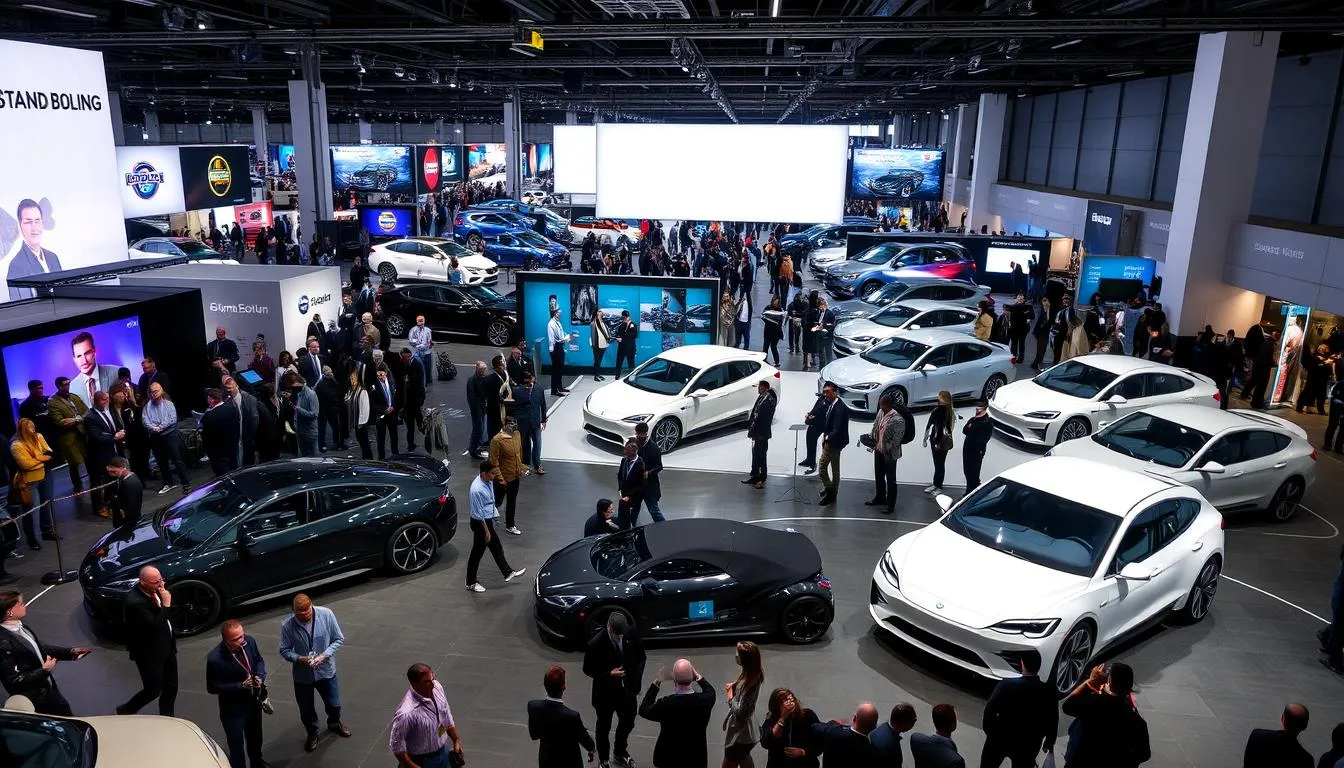
The Chicago Auto Show runs February 8 through 17 at McCormick Place, and it remains the largest public auto show in North America by floor space and attendance. While the Detroit show has shifted formats and the LA show leans toward media previews, Chicago stays focused on what matters to buyers: getting close to the vehicles, sitting inside them, and comparing trims side by side.
For 2025, the show floor will feature updated lineups from nearly every major manufacturer. This is where you see the mid-cycle refreshes, special editions, and trim-level changes that press releases gloss over. The difference between a base and a mid-grade interior is obvious when you can sit in both within the same hour. Pay attention to the EV and electrified sections — manufacturers are using Chicago to introduce electrified crossovers and trucks aimed at mainstream buyers, not just early adopters.
If you are shopping for a new car in 2025, Chicago is one of the most practical research events available. If you cannot attend, the show generates a wave of comparison videos and walkaround coverage that is worth watching with your shortlist in hand.
Canadian International AutoShow: global debuts head north
Running February 14 through 23 in Toronto, the Canadian International AutoShow has grown into one of the strongest winter shows on the continent. It draws manufacturers who use the event for global and North American debuts, and the show’s EV programming has expanded significantly in recent years.
Toronto’s show tends to feature a broader international presence than many U.S. regional shows, with European and Asian manufacturers often displaying models and trims not yet confirmed for the American market. For enthusiasts who track global automotive trends, that makes it a useful event to follow even from a distance.
The show also programs well for enthusiasts beyond new vehicles: concept cars, exotic and classic displays, and aftermarket showcases round out the floor. If you are within driving distance of Toronto, the mid-February timing makes it a solid weekend trip.
Auction season: where pricing signals come from
February sits in the heart of collector car auction season. Following the marquee Scottsdale and Kissimmee auctions in January, February events continue to establish pricing benchmarks for everything from air-cooled Porsches to ’90s Japanese sports cars to modern muscle.
Auction results matter even if you are not buying at that level. They set the ceiling that trickles down to private sales, dealer pricing, and online marketplace listings. When a clean E30 M3 or a low-mile Supra sells for a specific number at a televised auction, it recalibrates what sellers and buyers expect for the next six months.
Watch the results, not just the headline lots. The mid-tier cars — the $15,000 to $60,000 range — tell you more about the real market than the seven-figure halo sales. Are bid-to prices meeting reserves? Are no-reserve cars climbing or softening? Are particular models trending up or cooling off? These data points are genuinely useful if you are saving for a project car or timing a purchase.
Racing season heats up: Daytona and beyond
February 2025 brings the start of the NASCAR Cup Series season, anchored by the Daytona 500. The Rolex 24 at Daytona in late January rolls right into Speedweeks, and by mid-February the racing calendar is in full swing.
Rally Sweden runs in mid-February as the WRC season continues, offering a showcase of all-wheel-drive performance in extreme winter conditions that is relevant to anyone interested in AWD platforms and winter driving capability.
For the car culture adjacent to racing, these events generate parts demand, build inspiration, and sponsor-driven product launches. The liveries, aero packages, and suspension setups that debut in racing season trickle into aftermarket catalogs within months. Paying attention to what teams are running — and who is sponsoring them — gives you a preview of what parts and accessories will be marketed heavily through the spring and summer.
How to extract value from events you cannot attend
Most enthusiasts will not fly to Chicago, Toronto, or Daytona in February. That is fine. The value of tracking these events is in the information they generate, not the handshake with a brand rep.
For new car shoppers: Use auto show coverage to compare models visually — interior quality, cargo space, screen size, and seating position are hard to judge from spec sheets. Look for walkaround videos from journalists who point out the details manufacturers do not highlight.
For project car buyers: Follow auction results to calibrate your expectations. If the car you want is trending up, buy sooner. If similar lots are not meeting reserve, you have negotiating leverage in private sales.
For customization and build planning: Watch what the aftermarket brands unveil at show-adjacent events and on social media during these weekends. New product launches often coincide with major shows, and early-bird pricing or pre-order windows open during the buzz.
For general enthusiasts: These events reset the conversation for the year. The models, trends, and talking points that emerge in February shape what you will see at Cars and Coffee meets, on forums, and in your social feeds through the summer. Staying informed makes you a better participant in those conversations.
Helpful references
- Chicago Auto Show Official Site — schedules, tickets, exhibitor list, and special event days
- Canadian International AutoShow — Toronto show details, global debuts, and EV programming
- Bring a Trailer Auction Results — track real-time collector and enthusiast car pricing trends
Bottom line
February’s auto shows, auctions, and racing events are more than entertainment — they are information sources. Whether you are shopping for a new car, timing a collector purchase, or planning a build, the signals that come out of these events shape pricing, product availability, and trends for the rest of the year.