Paint protection film and vinyl wrap both go over your factory paint, but they solve different problems. PPF is invisible armor. Vinyl wrap is a color change. The confusion happens because they overlap — some wraps offer mild protection, and some PPF products come in colors. Sorting out which one fits your daily driver comes down to what you actually want from the investment.
Key takeaways
- PPF protects paint from rock chips, scratches, and UV damage but doesn’t change the car’s appearance
- Vinyl wrap changes the car’s color or finish but provides minimal impact protection
- Full-car PPF costs $5,000 to $8,000 installed; vinyl wrap runs $2,500 to $6,000 depending on material and complexity
- PPF lasts 7 to 10 years with proper care; vinyl wrap typically lasts 4 to 6 years
- Partial PPF on high-impact areas combined with ceramic coating is the best value for most daily drivers
What PPF actually does
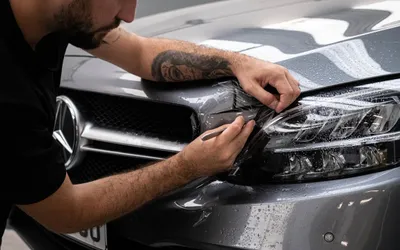
Paint protection film is a thermoplastic urethane layer, typically 6 to 8 mils thick, applied directly over the factory paint. Modern films from XPEL, SunTek, and 3M are optically clear, self-healing (minor scratches disappear with heat), and UV-resistant. The film absorbs impacts from road debris, gravel, and minor parking lot incidents that would otherwise chip or scratch the clear coat.
On a daily driver, the high-impact zones are the front bumper, hood, fenders, side mirrors, rocker panels, and the area behind the rear wheel arches. A partial front-end PPF package covering these areas typically costs $1,500 to $2,500 installed and protects against the vast majority of real-world paint damage.
Full-car PPF is a bigger investment — $5,000 to $8,000 for most sedans and SUVs — but it makes sense on vehicles with expensive paint (looking at you, Porsche and BMW individual colors) or cars you plan to keep for a long time with high resale expectations. The film is removable without damaging factory paint, so it preserves the original finish underneath.
The main limitation of PPF is that it doesn’t change how the car looks. It’s designed to be invisible. High-quality installations are virtually undetectable, though lower-quality work can show edges, orange peel, or yellowing over time.
What vinyl wrap brings to the table
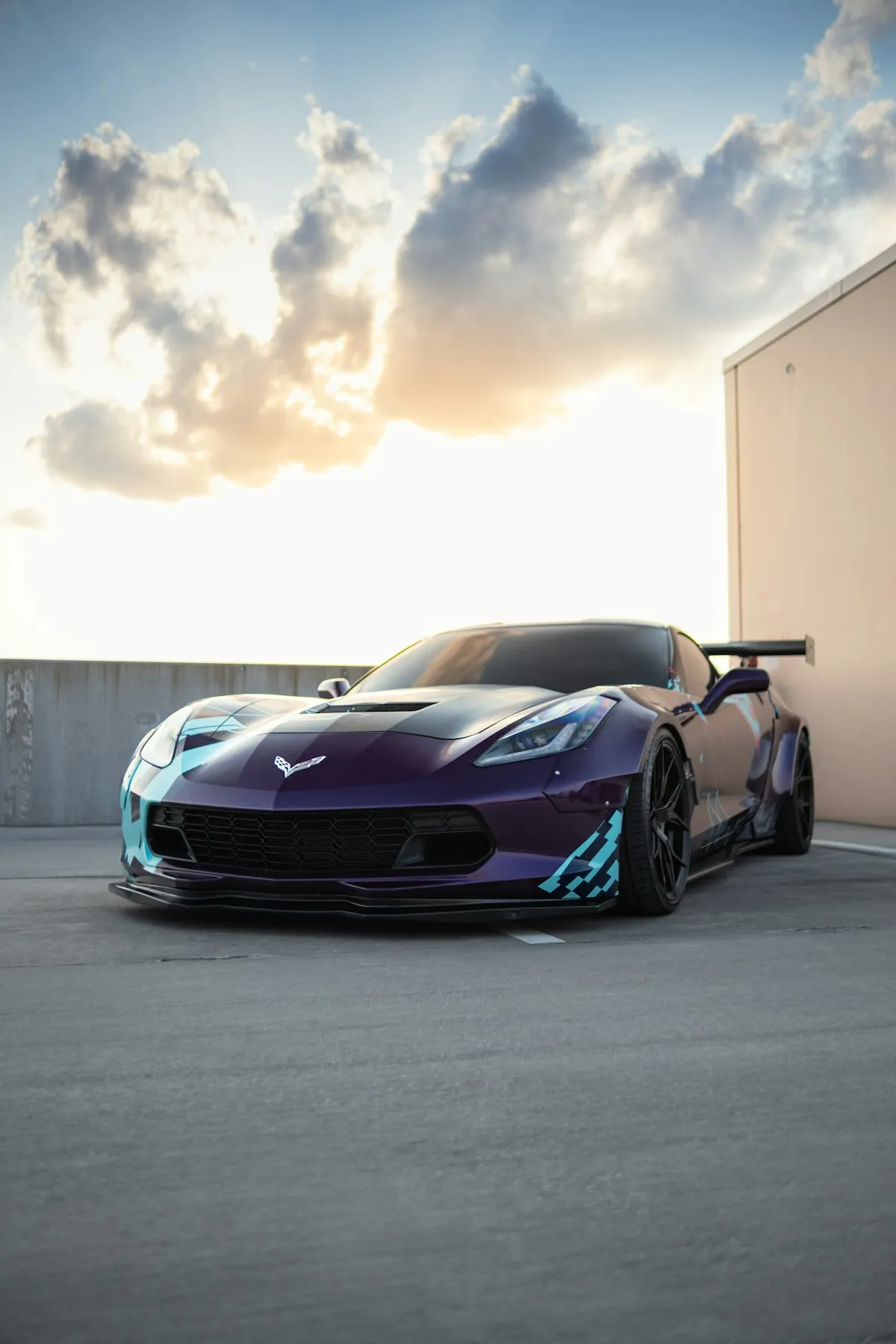
Vinyl wrap is a pigmented, adhesive-backed film that changes the car’s color or finish. Want a matte black daily driver without repainting? Satin gray? Gloss candy blue? Vinyl gets you there without touching the factory paint, and it’s reversible.
Quality wrap films from 3M, Avery Dennison, and Inozetek come in hundreds of colors and finishes — gloss, matte, satin, metallic, chrome, carbon fiber texture, and color-shifting options. The material is thinner than PPF (about 3 to 4 mils) and softer, which means it conforms well to curves but doesn’t offer the same impact resistance.
A professional full-vehicle wrap typically runs $2,500 to $6,000, with pricing driven by the complexity of the car’s body (lots of curves and recesses cost more), the quality of the film, and regional labor rates. Simple, flat-paneled vehicles like trucks are on the lower end. Complex body shapes like modern BMWs and Porsches push costs higher.
Vinyl wrap does offer some protection — it’ll prevent minor scratches from bushes or fingernails — but it won’t stop rock chips. A piece of highway gravel will punch through the vinyl and into the paint underneath, leaving you with damage to both the wrap and the finish.
Lifespan and maintenance differences
PPF is the longer-lasting product. Quality film installed correctly lasts 7 to 10 years before it needs replacement. During that time, it requires minimal maintenance — wash the car normally, avoid abrasive compounds directly on the film, and apply a ceramic coating or spray sealant designed for PPF to keep it hydrophobic and slick.
Vinyl wrap has a shorter practical lifespan of 4 to 6 years. After that, the adhesive can become more aggressive (making removal harder and risking paint damage), colors can fade or shift, and edges may lift. Vertical panels like doors and fenders hold up longer than horizontal surfaces like the hood and roof, which take more UV exposure and heat.
Both products should be hand-washed or touchless-washed. Automatic car washes with brushes can lift edges, scratch surfaces, and dramatically shorten the life of either film. If you use a pressure washer, keep the nozzle at least 12 inches away from edges and seams.
The hybrid approach most daily drivers should consider
For a daily driver where the goal is protecting the paint and keeping the car looking clean, the best value is usually a partial PPF installation on high-impact areas combined with a ceramic coating on the rest of the car. This setup runs $2,000 to $4,000 total and covers both protection and ease of maintenance.
The ceramic coating doesn’t prevent rock chips, but it makes the car dramatically easier to wash, repels water, and resists UV fading and chemical stains. Combined with PPF on the front end, you get real protection where it matters and low-maintenance care everywhere else.
If you want a color change, vinyl wrap is the only film option (short of colored PPF products, which are still limited in selection and expensive). Just go in knowing the wrap needs replacement in 4 to 6 years and doesn’t provide meaningful chip protection. Some owners wrap the car in their desired color and then apply PPF over the wrap on the front end — a layered approach that works but adds cost and complexity.
Questions to ask before committing
How long are you keeping the car? If you’re leasing or planning to sell in three years, vinyl wrap is a fun way to personalize without affecting resale. PPF is a better fit for a car you’re keeping long-term.
What bothers you more — chips or the stock color? If rock chips drive you crazy, PPF is the answer. If you love the car but wish it were a different color, that’s a wrap decision.
What’s your maintenance commitment? Both products are lower-maintenance than bare paint, but vinyl wrap requires more careful washing and attention to edge lifting. PPF with a ceramic coating is essentially wash-and-forget.
Helpful references
Bottom line
PPF and vinyl wrap aren’t competing products — they solve different problems. Most daily drivers benefit more from partial PPF and a ceramic coating than a full wrap, but if a color change is what excites you, vinyl wrap delivers that at a reasonable cost. Know what you’re optimizing for and choose accordingly.