SEMA 2022 was shaping up around three especially visible currents: practical overlanding hardware, bolder widebody and stance aesthetics, and rising interest in EV conversions or EV-adjacent aftermarket opportunity.
Those threads mattered because they showed the market stretching in multiple directions at once—more utility, more visual theater, and more new-powertrain thinking.
Key takeaways
- Overlanding continued to reward functional hardware and modular storage.
- Widebody and aggressive aero aesthetics remained influential in style builds.
- EV conversions and EV service conversations were becoming harder to ignore.
- Truck and SUV categories still drove much of the aftermarket conversation.
- SEMA trend-watching is most useful when it shows how styles cross categories.
Overlanding kept blending show appeal with real use
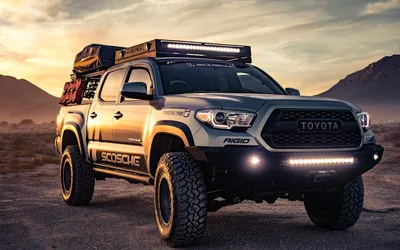
Racks, lighting, recovery gear, storage systems, and all-terrain tire packages continued to make overlanding one of the easiest categories to understand from both a lifestyle and retail perspective. The best builds looked ready for a trip, not just a photo.
That kind of practicality helps a trend stay commercially strong.
Widebody style still had momentum
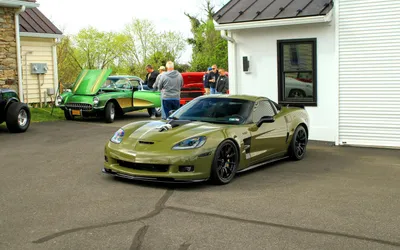
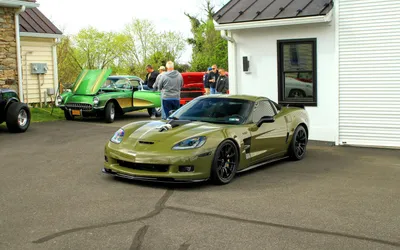
Bold stance, fender treatment, and visual aggression continued to show up because they create instant impact. Even when the execution differed wildly from builder to builder, the appetite for dramatic proportions had clearly not faded.
The more interesting question in 2022 was how that aesthetic would coexist with the rise of cleaner, tech-forward builds.
EV conversion talk was moving from novelty toward strategy
As electric trucks and EV education gained a stronger foothold around the aftermarket conversation, EV conversions and electrified project thinking became more relevant to watch. The category was still early, but it was no longer easy to dismiss as purely fringe.
That made SEMA 2022 a useful checkpoint for seeing how the aftermarket wanted to meet electrification rather than merely react to it.
Helpful references
Bottom line
Good automotive culture usually comes down to thoughtful execution. The cleanest build, the best event prep, and the most satisfying upgrades are the ones that respect how the car is actually used.
That keeps the article grounded, useful, and aligned with the kind of readers most likely to return to the site.