SEMA 2025 opens in Las Vegas in early November, and if you are planning to attend — or just follow along from home — it helps to have a framework for the show rather than trying to absorb everything at once. The Las Vegas Convention Center is massive, and SEMA has a way of overwhelming even seasoned attendees with sheer volume.
Rather than trying to predict specific reveals, here are the trend categories that look most likely to dominate the show floor this year.
Key takeaways
- Trucks and truck accessories will continue to be the largest product category at the show.
- EV and hybrid builds are growing from novelty to a real presence with usable aftermarket support.
- Wheel design trends are shifting toward larger diameters with simpler spoke patterns.
- Interior tech and cabin accessories are expanding as a category beyond traditional car audio.
- Overlanding and adventure-vehicle builds remain strong but are maturing past the hype phase.
Trucks will own the floor — again
Trucks have been SEMA’s center of gravity for years, and 2025 will not be different. The full-size truck market drives enormous aftermarket spending, and manufacturers know it. Expect massive displays from suspension, wheel, bumper, and bed-accessory companies targeting the Silverado, F-150, Ram 1500, Toyota Tundra, and their heavy-duty siblings.
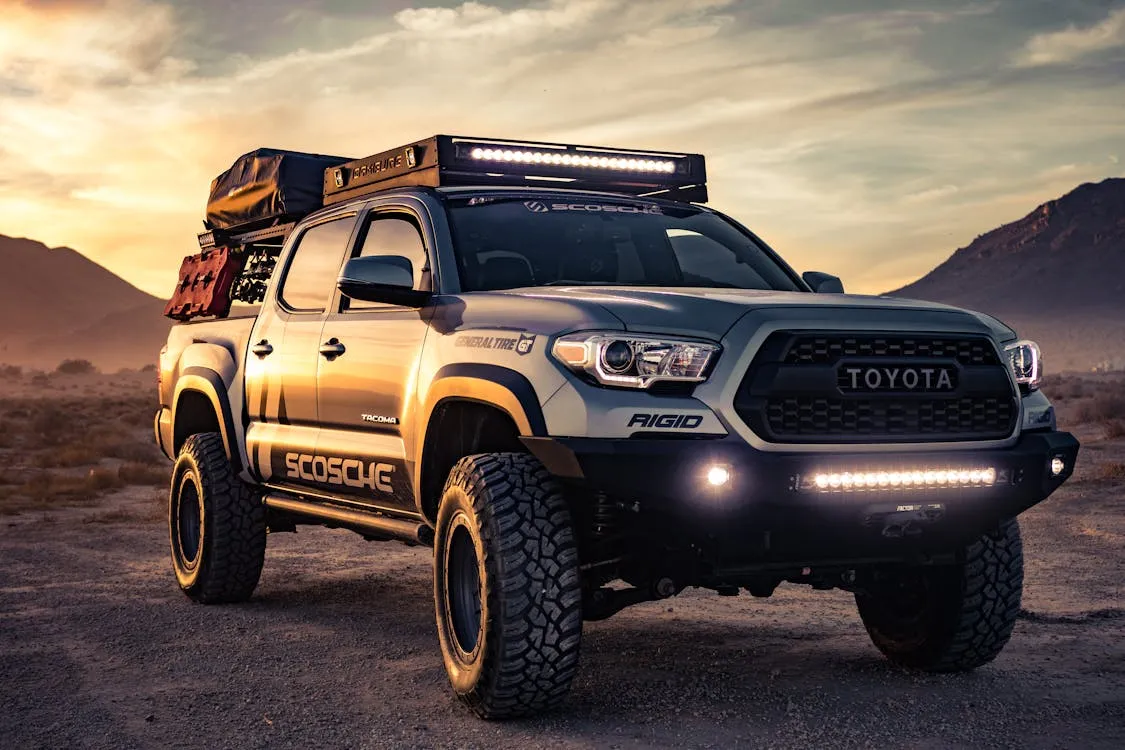
What is shifting is the type of truck build getting attention. The pure show truck — slammed on 26-inch wheels with a six-figure wrap — still exists, but the builds drawing the most genuine interest are the ones that balance appearance with actual capability. Functional off-road builds, well-executed work trucks with thoughtful accessories, and tow rigs that look as good as they perform.
Mid-size trucks are also claiming more floor space. The Tacoma, Ranger, Colorado, and Frontier all have growing aftermarket catalogs, and SEMA exhibitors are responding. If you drive a mid-size truck, this is a show worth following for new product launches.
EV builds are getting real
The first few years of EV presence at SEMA felt experimental — a Tesla with a widebody kit here, an electric swap concept there. That is changing. Companies like Unplugged Performance, EV West, and a growing number of component suppliers are building out genuine aftermarket ecosystems for electric vehicles.
Expect to see more practical EV accessories: upgraded suspension for the heavier platforms, aero kits designed around EV-specific shapes, wheel designs optimized for range (lower drag, lighter weight), and interior tech that integrates with EV-specific features like charging management and range displays.
EV swaps in classic cars are also moving from proof-of-concept to repeatable builds. Crate-motor-style EV kits from companies like Electric GT and Legacy EV are making it possible for smaller shops to offer electric conversions with proper engineering rather than one-off fabrication.
The EV section of SEMA is no longer a sideshow. It is a legitimate category that reflects where a meaningful chunk of new-vehicle sales are heading.
Wheel trends to track
Wheels are always one of the most visual categories at SEMA, and the design trends shift subtly year to year. The current direction favors larger diameters (20-22 inches on trucks, 19-20 on cars) with cleaner, simpler spoke patterns. Multi-piece wheels with exposed hardware remain popular in the show-car world, but the everyday market is leaning toward one-piece flow-formed designs that deliver good looks at reasonable weight and cost.
Color is evolving too. Satin and matte finishes continue to gain on traditional chrome and gloss black. Bronze, gunmetal, and dark silver tones are everywhere. A few brands are pushing bolder colors — dark blue, olive green, copper — as accent options.
Pay attention to the smaller wheel brands at SEMA. The show is where many of them debut new designs, and some of the best-looking wheels on the market come from companies that do not have the ad budgets of the big names.
Interior tech beyond car audio
SEMA has always been a car-audio show, but the interior-tech category is expanding fast. Digital displays, ambient lighting, wireless charging integrations, dash cameras, and head-up displays are all growing categories.
The most interesting developments are in cabin-management systems — aftermarket controllers that integrate lighting, camera feeds, and audio into a single interface. These appeal to both show vehicles and daily drivers who want a cleaner, more modern cabin without replacing the factory head unit.
Expect to see more integration with smartphones and smart-home ecosystems. Products that let you monitor, control, or configure vehicle accessories from your phone are multiplying, and SEMA exhibitors are leaning into that trend.
Overlanding grows up
The overlanding boom of the past few years brought a flood of rooftop tents, bumper-mounted gear, and modular storage systems to SEMA. That wave has not crashed, but it is maturing. The products getting attention now are more refined — better-engineered, lighter, quieter, and designed to work with the vehicle rather than just bolt onto it.
Water filtration, portable power stations, and solar panel integrations are growing sub-categories within the overlanding space. These products appeal to a broader audience than hardcore trail rigs — vanlife builders, weekend campers, and even emergency-preparedness buyers.
The overlanding area of SEMA is worth walking even if you never plan to leave pavement. The engineering and design work happening in that space often filters into mainstream truck and SUV accessories within a year or two.
Helpful references
Bottom line
SEMA is too big to see everything, so pick your categories and go deep. Trucks, EV aftermarket, wheel design, interior tech, and mature overlanding products are the threads worth following this year. The best way to get value from the show — in person or online — is to focus on trends rather than trying to catalog every booth.