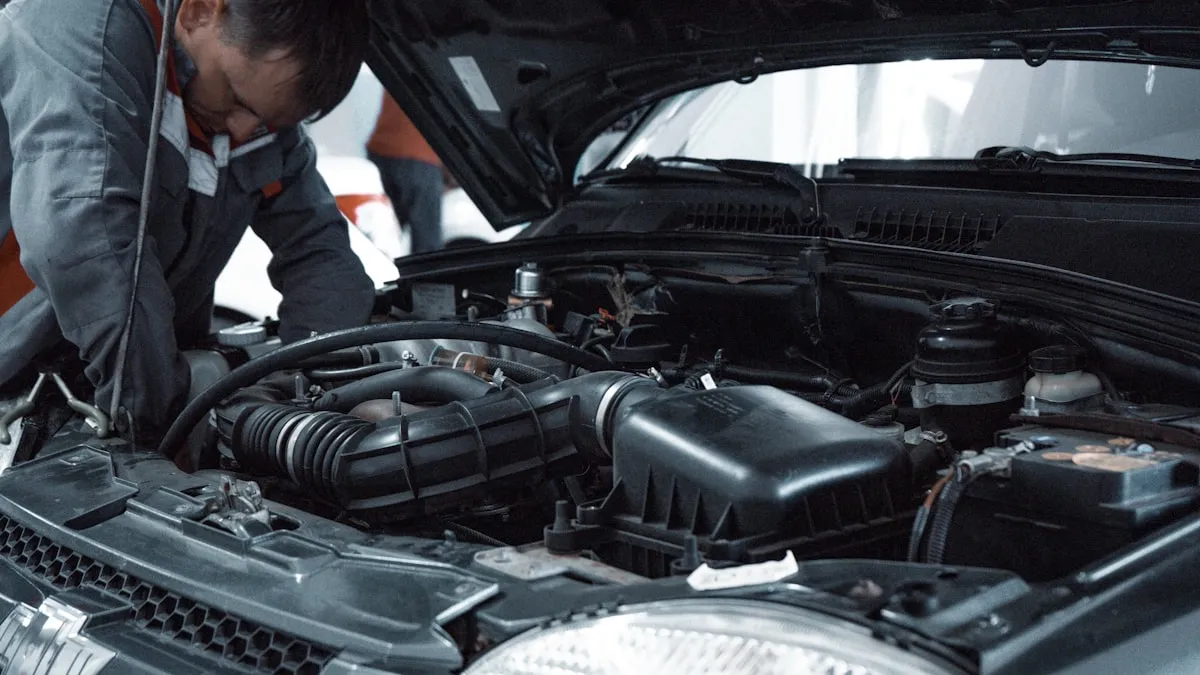
Tax refund season puts a chunk of cash in your hands right when the car parts catalogs look most tempting. New wheels, a cold air intake, an exhaust upgrade — the wish list writes itself. But here is the move that experienced car owners make first: handle the maintenance backlog before spending a dollar on upgrades. A turbo-back exhaust sounds incredible on a car with fresh fluids, good brakes, and tires with actual tread. It sounds like a liability on a car that is overdue for all three.
Key takeaways
- Deferred maintenance degrades the performance of every upgrade you add on top of it
- Tires and brakes are the highest-impact “upgrades” most daily drivers can make
- A fluid refresh (oil, coolant, brake fluid, transmission fluid) costs a few hundred dollars and extends the life of every system it touches
- Sequence matters: safety and reliability items first, then comfort, then performance or cosmetics
- Knowing your car’s current value helps you decide how much to invest versus saving for the next vehicle
Maintenance is not the boring option — it is the foundation
There is a reason professional race teams do not bolt on aero kits before checking brake pad thickness. Every modification interacts with the systems around it. Cold air intakes change airflow that the ECU calibrates around — but that calibration assumes the engine is healthy. Lowering springs change suspension geometry — but they stress worn bushings and tired struts faster. Bigger wheels look sharp — but they amplify every worn tie rod end and unbalanced tire.
Addressing the maintenance backlog first does not delay your build. It protects it. A $1,200 refund that goes toward new tires, fresh brake pads, and a full fluid service gives you a car that drives better immediately and provides a solid base for whatever comes next.
Think of it this way: no one notices your intake when they are riding in the passenger seat. Everyone notices when the car stops confidently and rides smoothly.
The priority ladder: safety, reliability, comfort, then style
Here is a practical sequencing framework for spending a lump sum on your car. Start at the top and move down only after each level is handled.
Level 1 — Safety. Brake pads and rotors with less than 30% life remaining. Tires with less than 4/32“ tread depth (or any uneven wear patterns). Burned-out lights. Worn wiper blades. A cracked windshield. These are not optional — they are the items that protect you and everyone around you.
Level 2 — Reliability. Oil change if you are past due. Coolant flush if it has been more than three years or 50,000 miles. Brake fluid flush (often overlooked — brake fluid absorbs moisture over time and loses its boiling point). Transmission fluid if your owner’s manual calls for it. Serpentine belt and tensioner if the belt is cracked or glazed. Battery replacement if it is testing marginal.
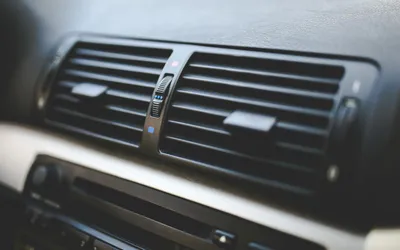
Level 3 — Comfort and drivability. New shocks or struts if the originals are blown (the car bounces more than once after hitting a bump). Alignment if the car pulls. Cabin air filter (cheap, takes two minutes, and makes the HVAC smell like a car instead of a gym bag). Worn motor mounts or control arm bushings that cause clunks.
Level 4 — Performance and cosmetics. This is where the fun stuff lives. Wheels, intake, exhaust, suspension upgrades, tint, wraps, sound systems. These are great purchases — once Levels 1 through 3 are covered.
Tires are the best performance mod most people overlook
If you drive on all-seasons that came with the car four or five years ago, replacing them with a quality set of current-generation tires will transform the driving experience more than almost any bolt-on modification. Better grip means shorter braking distances, more confident cornering, a quieter ride, and improved wet-weather safety.
A set of four good all-season tires for a typical sedan or crossover runs $500 to $800 installed, including mounting, balancing, and new valve stems. That is less than most exhaust systems and delivers a bigger day-to-day improvement.
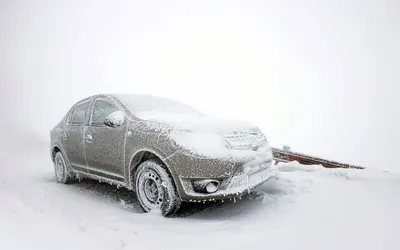
If you already have good all-seasons and you live somewhere with real winters, a set of dedicated winter tires on steel wheels is another high-value use of refund money. The difference between all-seasons and winter tires on snow and ice is not subtle — it is the difference between controlled stops and sliding through intersections.
Know your car’s value before you invest
Before dropping $2,000 into a car, know what it is worth. A quick check on Kelley Blue Book or Edmunds gives you a ballpark private-party and trade-in value. This is not about resale obsession — it is about making rational decisions.
If your car is worth $6,000 and needs $1,500 in maintenance, that spending makes sense because it keeps a running vehicle on the road and likely prevents a more expensive repair down the line. If your car is worth $3,000 and needs a $2,500 transmission, the math changes. That refund might be better saved as a down payment on a healthier vehicle.
This calculation also applies to modifications. Sinking $3,000 into wheels and suspension on a car you plan to sell in eighteen months usually means losing most of that investment. Putting that same money into maintenance on a car you plan to keep for five more years is a straightforward win.
Build the upgrade list — just do it in order
None of this is an argument against modifying your car. It is an argument for sequencing. If you have $1,500 to spend, here is an example of how to split it on a car that is a few years into its maintenance cycle:
- $400 — New brake pads and rotors (front)
- $120 — Full synthetic oil change and cabin air filter
- $80 — Brake fluid flush
- $600 — Two new front tires (if rear tires are newer, rotate the good rears to the front and put new ones on the rear)
- $300 — Remaining for the start of your mod fund
That last $300 will not buy a full exhaust system, but it buys a quality phone mount, a dashcam, interior LED lighting, or the start of a layaway on the parts you actually want. And every mile you drive on fresh brakes and good tires is a mile that feels better than it did before.
Helpful references
- Kelley Blue Book Vehicle Pricing — check your car’s current market value before deciding how much to invest
- Edmunds Appraisal Tool — another reliable vehicle valuation source with trade-in and private-party estimates
Bottom line
A tax refund is a chance to reset your car’s maintenance baseline and build from there. Handle the brakes, tires, and fluids first. Then spend the rest on the mods that make ownership fun — on a car that is ready to support them.