Walk into any auto parts store and the paint protection aisle has tripled in the last few years. Ceramic sprays sit next to traditional paste waxes and synthetic sealants, all promising deep gloss and months of protection. The marketing makes it hard to tell what actually works and what just beads water impressively for a weekend.
Key takeaways
- Paste wax delivers the warmest gloss but lasts 4-8 weeks in real conditions.
- Synthetic sealants offer 3-6 months of protection with less effort than wax.
- Ceramic sprays split the difference: easier than wax, longer-lasting than most sealants, but not permanent.
- None of these products fix scratches, swirls, or oxidation — surface prep matters more than product choice.
- Your maintenance habits determine how long any protection actually lasts.
Traditional wax: the warm glow with a short shelf life
Carnauba-based paste wax has been the gold standard for show-car shine since before most of us were born. It produces a warm, deep gloss that synthetic products still struggle to match on dark paint. Applying it is a ritual — wash, clay, apply thin, let haze, buff off. The result looks fantastic.
The trade-off is durability. A quality carnauba wax lasts about four to eight weeks under normal conditions. Park outside, drive through rain, and go through a few washes, and you will notice the water behavior changing within a month. That is not a flaw — it is the nature of a natural wax. If you enjoy the application process and wash your car regularly, wax remains a perfectly valid choice.
Where wax falls short is convenience. It takes more time to apply properly than a spray product, it requires more careful buffing, and it does not tolerate sloppy application as well. If you are the type to detail your car every other weekend, you will love it. If you wash once a month and call it done, wax may not be your best fit.
Synthetic sealants: the low-drama middle ground
Synthetic paint sealants use polymer chemistry instead of natural wax to bond to the paint surface. They typically last three to six months, apply faster than paste wax, and are more forgiving of imperfect technique. Many can be applied by hand or with a dual-action polisher.
The gloss from a sealant is different from wax. It tends to be sharper and more reflective rather than warm and deep. On lighter-colored cars, many people cannot tell the difference. On black or dark blue paint, wax enthusiasts will notice the character is different — not worse, just different.
The real advantage of sealants is that they fit a wider range of maintenance habits. Apply one after a thorough spring wash, and it will carry you through summer without reapplication. That is appealing if you want protection without committing to a monthly waxing schedule.
Ceramic sprays: accessible SiO2 without the commitment
Ceramic spray coatings entered the mainstream a few years ago and have gotten steadily better. They contain silicon dioxide (SiO2) in lower concentrations than professional ceramic coatings, and they go on like a quick detailer — spray, wipe, done. Most claim three to six months of protection, and the good ones deliver on that.
The water behavior from a decent ceramic spray is the most visually dramatic of the three options. Tight beading, fast sheeting, and a slick surface that stays cleaner between washes. That hydrophobic performance is what sells the product, and it is genuinely useful for reducing water spots and making washes faster.
What ceramic sprays do not do is replace a proper ceramic coating. Professional coatings involve surface correction, controlled application, and curing time. They last years. Spray ceramics last months. They are a maintenance product, not a permanent solution. Treat them as a better version of a spray sealant and you will set appropriate expectations.
Surface prep matters more than product choice
Here is the part that no bottle label wants to emphasize: none of these products work well on dirty, contaminated, or damaged paint. If your clear coat has swirl marks, water spots, or embedded contaminants, layering protection on top will lock those defects under the coating.
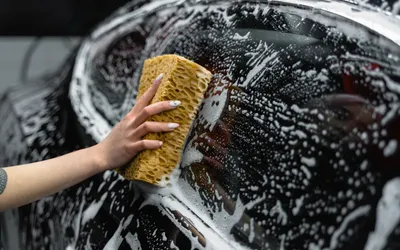
A proper wash, clay bar treatment, and light polish (if needed) before applying any protection product will make a $15 sealant outperform a $40 ceramic spray applied to dirty paint. The prep work is the actual upgrade. The protection product is the finish line, not the starting point.
Matching the product to your habits
If you detail your car every two weeks and enjoy the process, paste wax gives you the best visual reward. If you wash monthly and want durable protection without fuss, a synthetic sealant or ceramic spray is the smarter pick. If you want the slickest surface and fastest wash routine, ceramic sprays currently lead the field.
There is no universal best option. There is only the one that matches how you actually take care of your car, not how you plan to take care of it in an ideal world that never quite arrives.
Helpful references
- Autogeek Detailing Guide — In-depth tutorials on paint correction and protection
- Chemical Guys How-To Library — Product comparisons and application techniques
Bottom line
Wax, sealant, and ceramic spray each protect paint effectively when applied to a clean, prepped surface. The difference is in effort, longevity, and visual character. Pick the one that fits your routine, prep the surface properly, and stop worrying about which bottle is best.