
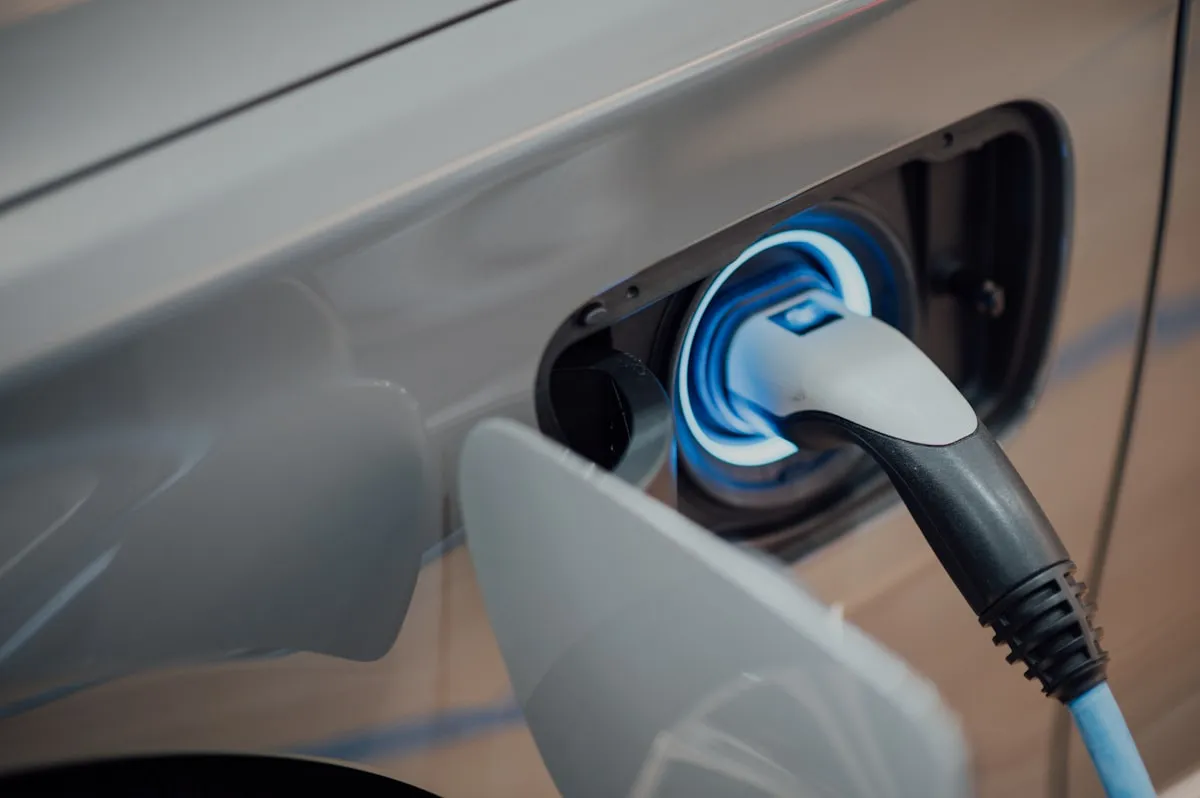
Used EV prices have dropped enough that a three- or four-year-old Bolt, Model 3, or Leaf can compete on sticker price with a comparable gas car. That makes them genuinely appealing — but the buying process is different. With a used gas car, you check the engine, transmission, and maintenance history. With a used EV, the battery pack is the engine, the transmission, and the single most expensive component. Asking the right questions about it before you buy is the difference between a smart purchase and an expensive lesson.
Key takeaways
- Battery degradation is normal but varies widely by model, climate, and charging habits
- Federal EV battery warranties cover at least 8 years / 100,000 miles — check how much remains
- State of Health (SoH) percentage tells you more than odometer miles about battery condition
- DC fast charging frequency and hot-climate history accelerate degradation
- Software support and charging network compatibility are practical ownership factors, not just specs
Battery degradation: what is normal and what is not
Every lithium-ion battery loses capacity over time. This is not a defect — it is chemistry. A new EV with a 260-mile EPA range might show 240 miles after three years and 220 after six, depending on how it was used. That gradual decline is normal and expected.
What matters is the rate of degradation relative to the car’s age and mileage. Most modern EVs lose 2% to 3% of their original capacity per year under typical driving and charging conditions. A four-year-old EV showing 88% to 92% State of Health is in good shape. One showing 78% deserves a harder look at its history.
The Nissan Leaf is the most visible example of accelerated degradation because early models (2011-2017) used passively cooled battery packs. In hot climates like Arizona and Texas, these packs lost capacity significantly faster than the same models in cooler regions. Newer EVs from nearly every manufacturer use active thermal management (liquid cooling), which keeps the cells in their optimal temperature range and dramatically slows degradation.
Ask the seller or dealer for the battery’s State of Health reading. On a Tesla, this is visible in the car’s software. On other EVs, a diagnostic tool or dealer scan can pull the number. If the seller cannot or will not provide this, treat that as a red flag.
Warranty: check the clock and the fine print
Federal regulations require EV manufacturers to warranty battery packs for a minimum of 8 years or 100,000 miles, whichever comes first. Some states with California emissions standards extend that to 10 years or 150,000 miles. This warranty typically covers outright battery failure and, in many cases, degradation below a specified threshold (often 60% to 70% of original capacity).
On a used EV, the remaining warranty coverage is one of the most important factors in the purchase. A 2021 model with 40,000 miles still has substantial battery warranty remaining. A 2017 model with 95,000 miles has very little. That remaining coverage is real financial protection — a battery replacement outside of warranty can cost $8,000 to $15,000 or more depending on the vehicle.
Check whether the warranty follows the vehicle or the original owner. In most cases, EV battery warranties transfer to subsequent owners, but verify this with the manufacturer. Also confirm whether the warranty covers degradation below a threshold or only total failure — the distinction matters.
Charging history and habits matter
How a battery was charged throughout its life affects its current condition. Two identical EVs with the same mileage can have meaningfully different battery health based on their charging patterns.
DC fast charging frequency. Fast charging (Level 3 / DC Fast Charging) pushes large amounts of current into the battery quickly, which generates heat. Occasional fast charging on road trips is fine — the thermal management system handles it. But an EV that was used as a rideshare vehicle and DC fast charged daily will show more degradation than one that was primarily charged at home on a Level 2 charger.
Charging to 100% regularly. Most manufacturers recommend keeping the daily charge limit at 80% to 90% and only charging to 100% before long trips. An EV that was routinely charged to 100% and left sitting at full charge will show more degradation than one managed within the recommended range.
Climate. Heat is the primary enemy of lithium-ion batteries. An EV that spent its life in Phoenix will generally show more degradation than an identical one from Seattle, all else being equal. If the car has active thermal management, the difference is smaller but still present.
You cannot always verify charging history directly, but you can ask. A seller who charged at home on a Level 2 charger and kept the charge limit at 80% is describing ideal conditions. A seller who does not know or cannot answer is giving you less confidence in the battery’s history.
Software support and over-the-air updates
An EV is a software-dependent vehicle to a greater extent than most gas cars. The battery management system, charging protocols, range estimation, and cabin features are all software-controlled. When evaluating a used EV, ask about the manufacturer’s track record on software support.
Tesla has generally kept older models updated, though some features are hardware-limited on earlier versions. Chevrolet has pushed updates to Bolt EVs that improved charging performance. Nissan’s approach to the Leaf has been more static. Other manufacturers fall somewhere on this spectrum.
Software support matters practically. An EV that receives updates may get improved charging curves, better range estimation, new features, or bug fixes. One that does not is frozen at whatever software state it shipped with — or was last updated to.
Also consider charging network compatibility. With the industry shifting toward the NACS (Tesla) connector standard, older EVs with CCS ports will still work at CCS stations but may need an adapter at NACS-only locations as the network evolves. This is not an immediate problem, but it is worth factoring into a five-year ownership outlook.
The test drive is different for a used EV
When you test drive a used EV, pay attention to different things than you would with a gas car.
Range display. Note the displayed range at the current charge level and compare it to what the math suggests based on the original EPA range and the battery’s SoH. If a car with a 259-mile EPA range and 90% SoH shows 180 miles at 80% charge, the math roughly checks out (259 x 0.90 x 0.80 = 186 miles). Large discrepancies suggest either a calibration issue or worse degradation than reported.
Charging speed. If possible, test a DC fast charging session. The car should ramp up to a reasonable charging speed and taper predictably as the battery fills. A car that charges very slowly on a fast charger may have a battery or thermal management issue.
Cabin and climate. Run the heat and air conditioning during the test drive. HVAC is a significant energy draw on EVs, and you want to confirm all systems work — a malfunctioning heat pump or resistive heater in winter is both uncomfortable and range-depleting.
Regenerative braking. Confirm that regenerative braking feels consistent and strong. Weak or inconsistent regen can indicate a battery or motor issue.
Helpful references
- Alternative Fuels Data Center: EV Basics — DOE overview of how EVs work, including battery technology fundamentals
- Alternative Fuels Data Center: EV Maintenance — what EV maintenance looks like compared to gas vehicles
- FuelEconomy.gov — EPA range and efficiency ratings for every EV model by year
Bottom line
A used EV can be a great value if you buy one with healthy battery capacity, meaningful warranty remaining, and a charging history that did not abuse the pack. Ask for the State of Health number, verify the warranty transfer, and test the charging speed. The battery is the car — treat the purchase accordingly.