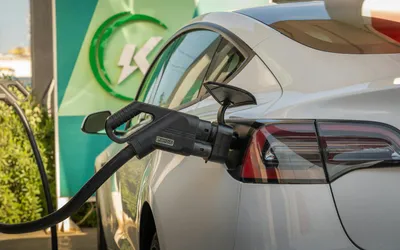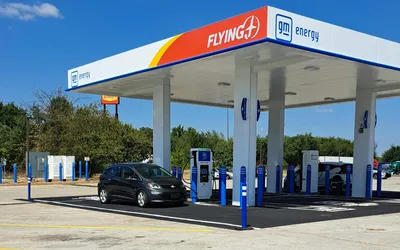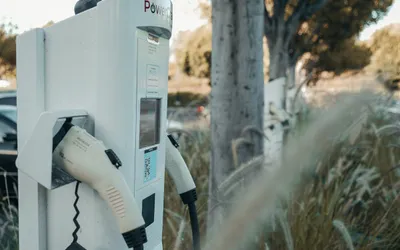
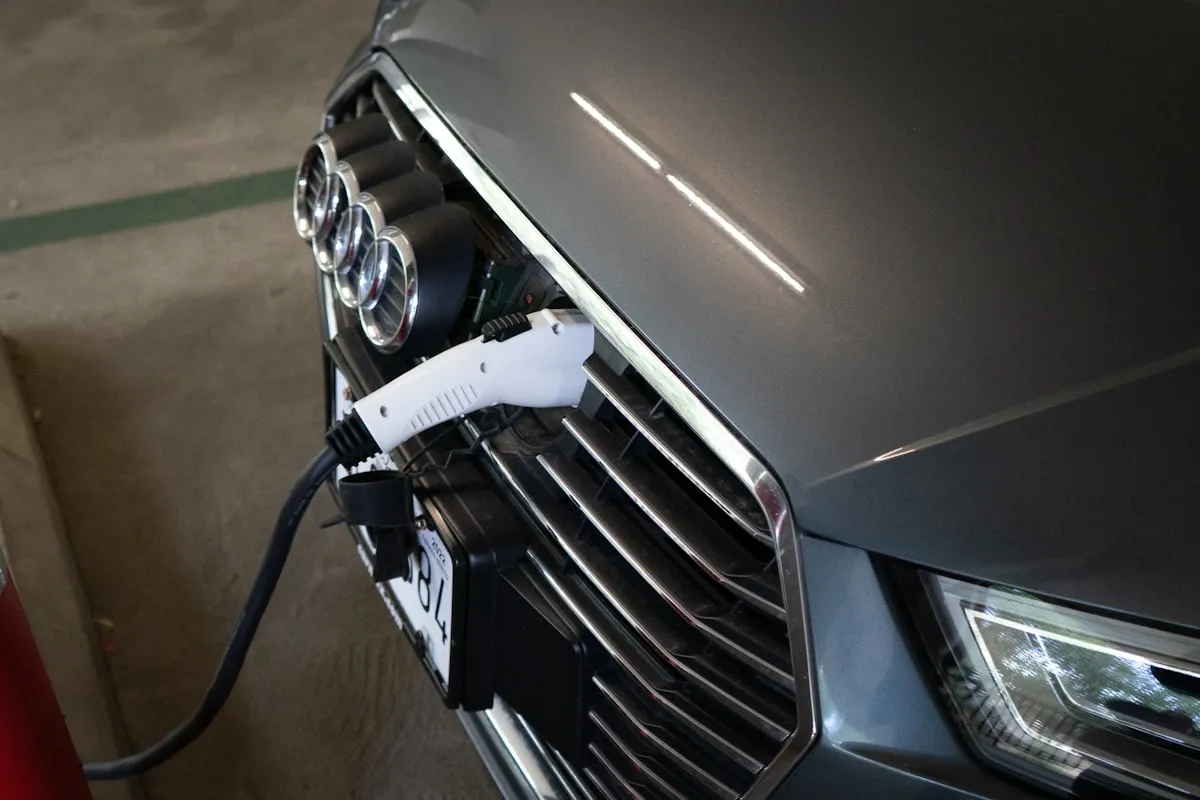
EV road trips work best when you treat charging as part of the route design rather than as a surprise you handle on the fly. By 2024, planning tools are better, but route confidence still comes from having backups and realistic expectations.
The trip gets easier when you think in terms of charger availability, stop timing, weather, and a comfortable battery buffer instead of trying to mimic a gas-car routine exactly.
Key takeaways
- Use route planning tools before departure, not after the battery gets low.
- Build in backup stations and a healthy arrival buffer.
- Charging speed depends on battery state, weather, and vehicle limits.
- Amenities, charger uptime, and stop timing matter on long trips.
- A calm EV road trip is a planned EV road trip.
Route planning is the first convenience feature
The best trip starts with mapping likely charging stops and understanding where alternatives exist nearby. That way a busy, broken, or awkward station is an inconvenience rather than a crisis.
Good planning also helps you line charging up with meals, rest breaks, or natural trip pauses instead of random waiting.
Leave room for real-world variables
Headwinds, cold weather, speed, elevation, and packed cargo can all change consumption enough to matter on a longer route. Planning with a little margin reduces the stress of watching projected range shrink in real time.
This is one reason confident EV travelers usually prefer arriving with a buffer instead of attempting perfect theoretical efficiency.
Backup plans are part of the main plan
In 2024, apps and routing tools are far better than the early days of EV travel, but no network is flawless. Keep a second option in mind for each major stop, and know which stations fit your car and charging speed best.
That extra planning step is what turns EV travel from something you hope works into something you expect to work.
Helpful references
Bottom line
Automotive technology is easiest to judge when it is tied back to real ownership. If a feature improves safety, charging confidence, usability, or planning, it matters. If it only sounds futuristic, it probably needs a second look.
That filter helps readers separate genuine value from launch-week noise and makes the article age better over time.