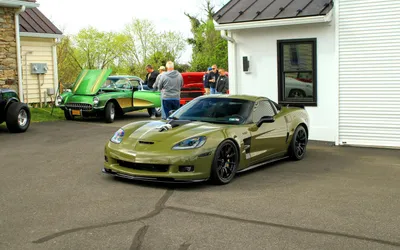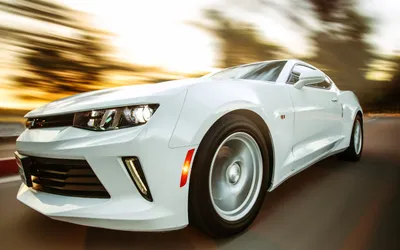
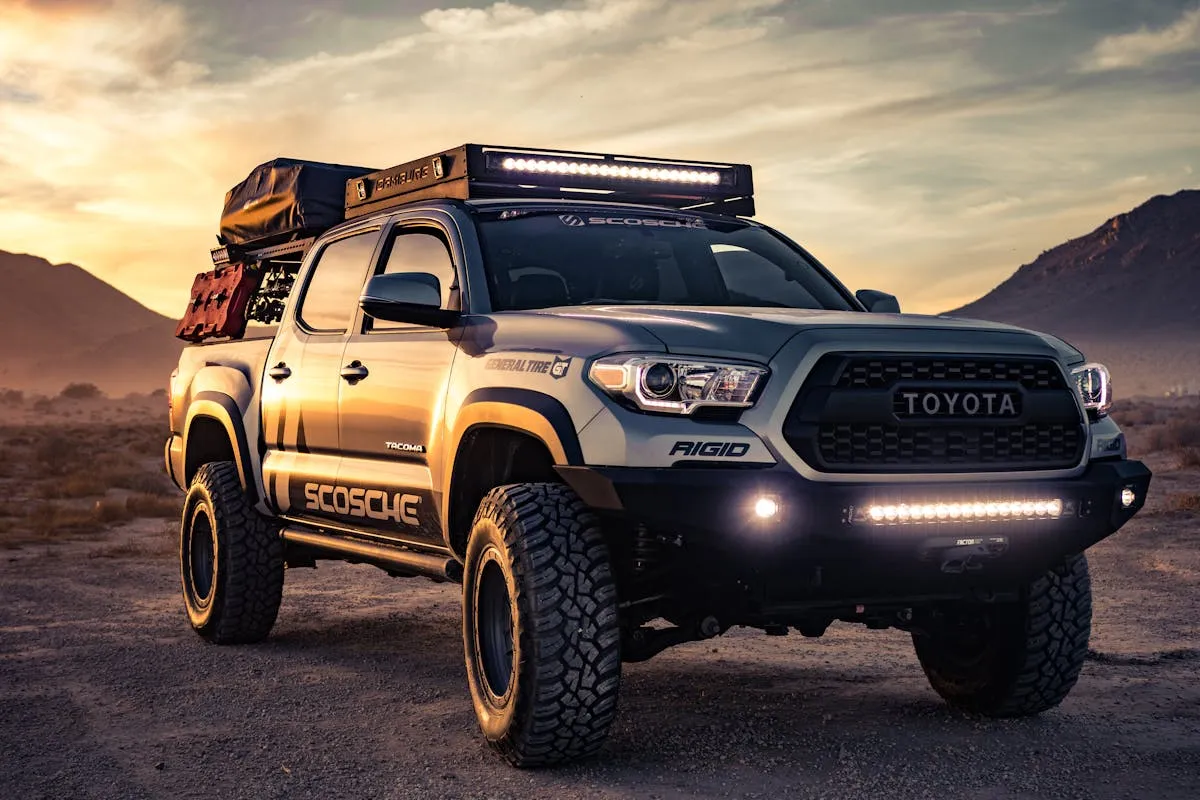
The outdoor car show circuit shuts down every winter, but the automotive event calendar actually heats up between January and March. Major auto shows reveal production models and concept directions, auction houses sell billions of dollars in collector and enthusiast vehicles, and indoor meets keep local car culture alive when the parking lots are too icy for a cars-and-coffee. Knowing where to look — and what to look for — turns winter downtime into productive shopping research, build inspiration, and market intelligence.
Key takeaways
- The Chicago Auto Show (February) remains the largest public auto show in North America and the best place to sit in production vehicles and compare trims in person.
- Barrett-Jackson Scottsdale (January) and Mecum Kissimmee (January) set the pricing tone for collector and enthusiast vehicles all year.
- Bring a Trailer and Cars & Bids run year-round but see peak listing volume in Q1, making winter the best time to study market values.
- Indoor meets and mall shows are returning in force — they are lower-key but excellent for networking and spotting local builds.
- Following auction results and show reveals even remotely (via livestreams and results pages) provides actionable data for your own buying and selling decisions.
Major auto shows still worth attending in person
The auto show landscape has contracted since its pre-pandemic peak. The Detroit Auto Show (now NAIAS) moved to a September format. The LA Auto Show runs in November. But the Chicago Auto Show — typically held in February at McCormick Place — remains the largest and most accessible public show in North America, drawing over 500,000 attendees annually.
Chicago’s value is not in world-premiere reveals (those tend to land at CES, Detroit, or manufacturer-specific events). Its value is hands-on access. You can sit in 30 different crossovers in one afternoon, compare infotainment systems back-to-back, and test the rear-seat legroom that no YouTube video can replicate. If you are actively shopping for a new vehicle, a day at Chicago is worth more than a week of browsing configurator websites.
The Washington D.C. Auto Show (typically late January) and the Canadian International AutoShow in Toronto (February) offer similar hands-on experiences with strong OEM participation. Smaller regional shows — Philadelphia, Cleveland, Twin Cities — are worth checking as well, particularly if a manufacturer is running ride-and-drive events in the parking lot.
Collector auctions set the market’s tone
January is auction season, and two events dominate: Barrett-Jackson Scottsdale and Mecum Kissimmee. Together they move thousands of vehicles in a single week, and the results ripple through the collector and enthusiast market for the rest of the year.
Barrett-Jackson Scottsdale has historically been the flashier event — big-dollar celebrity cars, charity lots, and a television-friendly atmosphere. It is the place to watch for broad market sentiment: are muscle cars still climbing? Are restomods commanding premiums over stock restorations? Are Japanese sports cars from the 1990s still accelerating in value?
Mecum Kissimmee is larger by volume — often over 3,500 lots across 10 days — and offers a broader cross-section of the market, from $8,000 project cars to seven-figure Ferraris. If you want to understand what real-world buyers are paying for a driver-quality 1970 Chevelle or a clean 2005 Ford GT, Mecum’s results database is more useful than Barrett-Jackson’s headline lots.
What to watch for in the results: Pay attention to no-sale rates (lots that do not meet the seller’s reserve). A high no-sale rate in a particular category — say, air-cooled Porsches or C3 Corvettes — signals that sellers’ expectations have outpaced buyers’ willingness. That is a leading indicator of price softening.
Online auctions run hot in Q1
Bring a Trailer and Cars & Bids operate year-round, but listing volume peaks in January through March as sellers list vehicles before spring driving season. This is the best time to study real transaction prices for the specific car you want to buy or the one you plan to sell later in the year.
Bring a Trailer’s completed auctions are publicly searchable, including final sale price, bid count, and seller comments. Searching for a specific model across the last 12 months of results gives you a price band that is far more accurate than a Kelley Blue Book estimate for enthusiast and specialty vehicles.
If you are buying, winter online auctions can offer value because the buyer pool is slightly smaller — fewer people bid aggressively on a convertible in February than in May. The same Mazda Miata or BMW Z3 that sells for $15,000 in April might close at $12,500 in January. The discount is not guaranteed, but the odds tilt in the buyer’s favor during cold months.
Indoor meets and mall shows fill the social gap
Not everything needs to be a national event. Indoor car meets — held in convention centers, heated garages, breweries, and even shopping malls — have grown significantly since 2022. They serve a different function than summer cars-and-coffee: the pace is slower, conversations are longer, and the builds tend to skew toward quality over quantity because owners are more selective about which events justify winterizing and trailering a car.
Check local Facebook groups, Instagram event pages, and forums like GarageJournal for indoor meets in your area. Many car clubs host annual winter banquets or indoor shows that are open to non-members for a small entry fee. These are excellent networking opportunities — the person standing next to you at a February indoor meet is almost certainly a serious enthusiast, not a casual spectator.
Mall shows have also made a quiet comeback. Simon Property Group and other major mall operators have partnered with local car clubs to host weekend displays in vacant anchor stores or parking structures. The quality varies, but the best ones curate 30–50 vehicles and draw a crowd that includes both enthusiasts and general shoppers who might become future car people.
How to follow events remotely (and why you should)
You do not need to fly to Scottsdale to benefit from auction season. Barrett-Jackson livestreams on its website and through cable partners. Mecum runs a dedicated livestream channel. Bring a Trailer’s comment sections on active listings are an education in themselves — knowledgeable commenters regularly identify hidden issues, verify provenance claims, and debate fair value in real time.
For auto shows, manufacturer press conferences are streamed on YouTube, and automotive media outlets (MotorTrend, Car and Driver, The Drive) publish floor-walk videos within hours of doors opening. The coverage is comprehensive enough to extract 90% of the useful information without attending.
Remote following is particularly valuable if you are researching a purchase. Watching 20 similar vehicles cross the auction block — noting which condition levels command premiums and which modifications help or hurt value — gives you a pricing education that no single listing can match.
Using winter events to plan your year
Think of winter event season as a strategic planning window:
- Shopping for a new car? Attend an auto show and sit in your top three candidates. Compare the details — seat comfort, cargo width, infotainment responsiveness — that matter for daily ownership.
- Thinking about selling a collector or enthusiast car? Study January auction results for your model to calibrate your asking price and decide whether spring or fall is the better season to list.
- Planning a build? Indoor meets are where you find the painter, fabricator, or upholstery shop that did the work on the car you admired. Ask owners who they used and whether they would hire them again.
- Just staying engaged? Following events remotely keeps your knowledge current and your enthusiasm sharp through the months when your own car may be hibernating in the garage.
Helpful references
Bottom line
Winter is not the off-season for car culture — it is research season. Auto shows let you compare vehicles with your hands, not your browser. Auction results tell you what the market actually pays, not what sellers hope for. And indoor meets keep the community connections alive that make car ownership more than just transportation. Use the cold months to plan, shop, and learn.