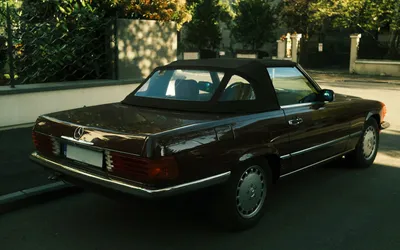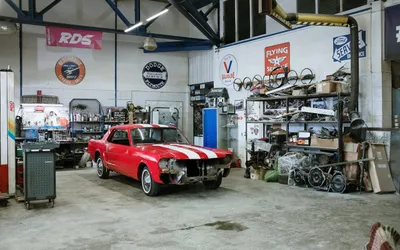

Putting a car away for winter sounds simple — park it, cover it, forget it until spring. But poor storage habits cause more damage than most people realize. Flat-spotted tires, dead batteries, corroded fuel systems, and musty interiors are all preventable with a couple hours of prep before the car goes dormant.
Key takeaways
- A battery maintainer is essential — disconnecting alone doesn’t prevent gradual discharge and sulfation
- Fuel stabilizer works best added before the final fill-up, not poured into a half-empty tank
- Tire flat spots become permanent after extended storage if pressure isn’t maintained
- Moisture is the biggest enemy in storage — a dehumidifier or desiccant packs make a measurable difference
- Starting the car periodically without driving it long enough to reach full operating temperature does more harm than good
Battery care done right
A dead battery is the most predictable storage problem and the easiest to prevent. Even disconnected from the vehicle, a lead-acid battery loses charge over time through self-discharge. Below a certain voltage threshold, sulfation builds on the plates and permanently reduces capacity. By spring, that battery may hold a charge but deliver noticeably less cranking power.
A quality float charger or battery maintainer — not a trickle charger — monitors voltage and applies current only when needed. The Battery Tender Junior or NOCO Genius1 are both proven units that cost under $30 and pay for themselves by extending battery life through multiple storage seasons.
If your garage doesn’t have an outlet near the car, disconnect the negative terminal at minimum. This prevents parasitic draw from the vehicle’s electronics. But understand that disconnecting doesn’t maintain the battery — it just slows the discharge. A maintainer connected through the winter is the right answer.
For classic cars with six-volt systems or oddball battery configurations, make sure the maintainer you choose supports the correct voltage. Most modern units auto-detect, but verify before connecting.
Fuel system protection
Gasoline starts degrading within 30 days, and ethanol-blended fuel absorbs moisture that causes phase separation — a layer of water and ethanol settling to the bottom of the tank. That mixture corrodes fuel lines, clogs injectors, and can damage carburetors on older vehicles.
Add fuel stabilizer — Sta-Bil or Sea Foam are the common choices — before your final fill-up, not after. Drive the car for ten to fifteen minutes after adding stabilizer so treated fuel circulates through the entire system, including fuel lines, the pump, and injectors or carburetor bowls.
Fill the tank as close to full as practical. A full tank minimizes the air space where condensation forms. This is especially important in climates with wide temperature swings where the tank breathes moisture in and out as temperatures cycle.
For carbureted vehicles, some owners drain the carburetor bowls completely to prevent varnish buildup. Others prefer to leave treated fuel in the bowls. Either approach works if the fuel is properly stabilized. The worst option is untreated fuel left sitting for four to five months.
Tires and suspension
Tires develop flat spots when they sit in one position under load for extended periods. In cold temperatures, the rubber compounds are less flexible, and the flat spots can become permanent rather than warming out after a few miles of driving.
Inflate tires to the maximum pressure listed on the sidewall (not the vehicle placard — the tire’s own maximum) before storage. This reduces the contact patch size and the severity of any flat spotting. Some owners use foam pads or tire cradles under each tire to distribute the load, which helps further.
If you’re storing for more than three or four months, consider placing the car on jack stands to remove tire load entirely. This is standard practice for long-term classic car storage and eliminates flat spot risk completely. Make sure the stands are placed on structurally sound lift points and the vehicle is stable.
Check suspension bushings and dust boots while the car is up. Storage doesn’t cause bushing wear, but it’s easy to inspect these components when you’re already underneath the car. Note anything that needs attention for spring so you can order parts over the winter.
Moisture control and interior protection
Moisture causes mildew on upholstery, corrosion on bare metal surfaces, and that distinctive musty smell that’s hard to eliminate. A garage with a concrete floor in a cold climate will have humidity fluctuations throughout winter, and that moisture migrates into the car.
If your garage is heated or climate-controlled, this is less of a concern. For unheated spaces, a small dehumidifier running near the vehicle helps significantly. Alternatively, place moisture-absorbing products — DampRid containers or large silica gel packs — inside the cabin and trunk. Check and replace them monthly.
Crack the windows about a quarter inch if the car is in a clean, dry garage. This allows air circulation that prevents moisture from being trapped inside. If the storage environment is dusty or has pest concerns, keep the windows closed and rely on interior desiccants instead.
A breathable car cover is worth using even indoors. It blocks dust accumulation while allowing moisture to escape. Avoid plastic tarps or non-breathable covers — they trap condensation against the paint and can cause water spotting or surface corrosion on chrome and bare metal.
The “start it once a month” myth
This is one of the most persistent pieces of bad storage advice. Starting the car, letting it idle for five or ten minutes, and then shutting it off is worse than leaving it alone. Here’s why: a cold engine running at idle doesn’t reach full operating temperature. The oil doesn’t get hot enough to evaporate moisture that accumulates in the crankcase. Combustion byproducts (water vapor and acids) condense on cylinder walls and exhaust components.
If you’re going to start the car, you need to drive it long enough for the engine, transmission, and exhaust system to fully warm up — usually 15 to 20 minutes of actual driving, not idling. That means the car needs to be insured, registered, and the roads need to be clean enough that you’re not throwing salt and brine all over a vehicle you just detailed.
For most owners storing a classic or seasonal car, the better approach is proper preparation at the beginning of storage and a thorough startup procedure in spring. Change the oil before storage (used oil contains acids), and change it again in spring if the storage period exceeds four months.
Helpful references
- Hagerty — Winter Storage Guide
- Hemmings — Classic Car Care and Restoration
- Bring a Trailer — Community and Auctions
Bottom line
Winter storage prep takes a couple of hours and protects thousands of dollars in value. Maintainer on the battery, stabilizer in a full tank, tires inflated or car on stands, and moisture managed. Skip the monthly start-and-idle routine — it creates the problems it claims to prevent.