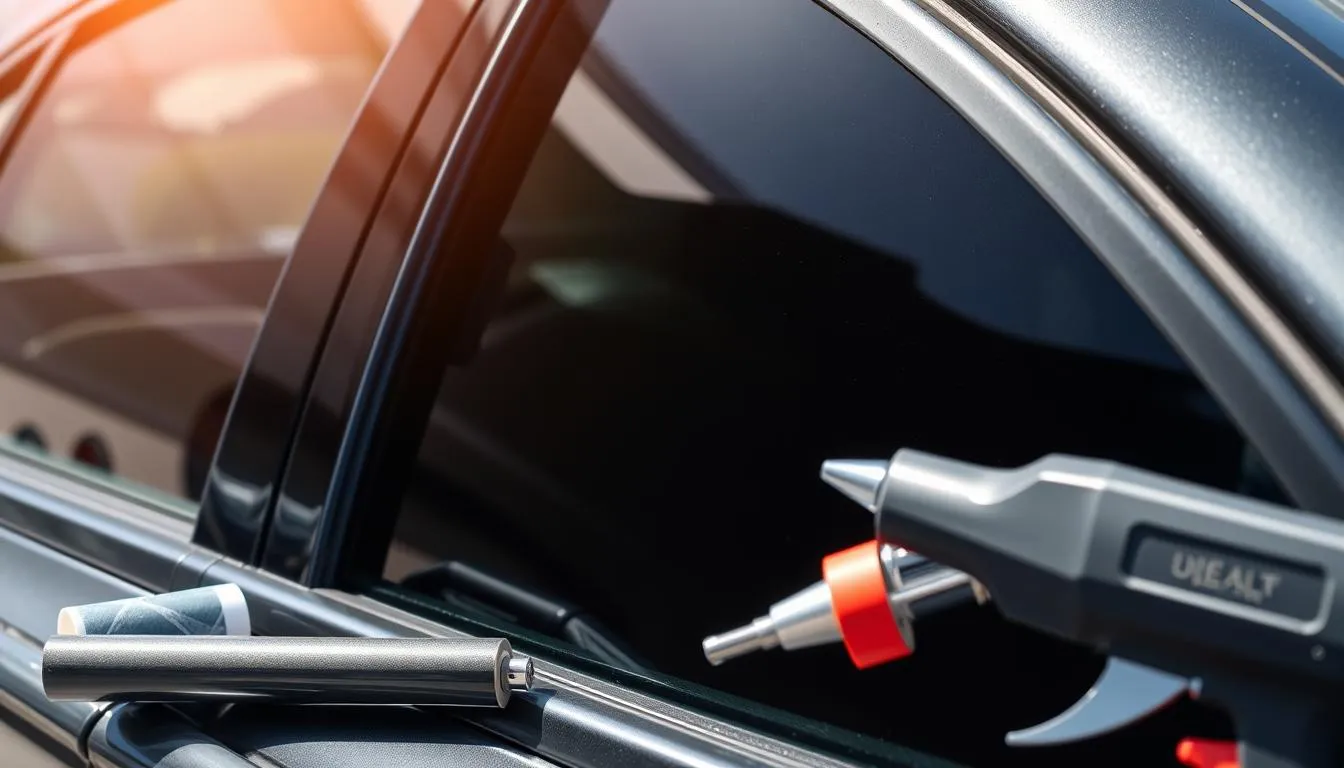
A full professional tint job on a typical 2026 sedan runs roughly $250 to $700 — the spread is wide because tint type, vehicle size, and how many windows you cover all stack on top of each other. A budget dyed film on a small coupe can land near $150; a ceramic-IR job on a three-row SUV can push past $1,200. The job is the same either way: clean the glass, cut the film, squeegee it in. What changes is the film, the labor time, and how long the result stays clear.
Three numbers decide your bill: tint type (dyed, metalized, carbon, ceramic, ceramic IR), vehicle size (number and curvature of windows), and coverage (front two, all sides, or full car including a windshield strip). Get those settled and the rest is just shop pricing.
How we built these estimates
The price bands below are budgeting ranges for professional installation in the United States, updated August 11, 2026. They are not a statistically representative national price survey. Local labor, film brand and tier, existing-film removal, window shape, warranty, tax, and legal coverage can move a quote outside the range.
For a decision, compare two or three written quotes for the same film line, VLT, windows, removal work, and warranty. For film performance, compare manufacturer data measured on the same reference glass and test method. Do not compare one brand’s single-wavelength “infrared rejection” number with another brand’s total solar-energy figure; they measure different things.
Key Takeaways
- Most full-car installs in 2026 fall between $250 and $800 for the whole vehicle.
- Tint type drives a major price swing — premium ceramic-IR quotes can be several times a basic dyed-film quote.
- Glass area and installation difficulty matter — larger or more complex glass generally raises the quote.
- State law controls where and how dark aftermarket film can be — verify the current statute before choosing VLT.
- Film warranty and installation quality matter as much as the chemistry label — ask what is covered if the film fades, bubbles, peels, or changes color.
Cost by Tint Type
The film itself is the single biggest variable. Each chemistry has a different cost to manufacture, a different heat-rejection performance, and a different lifespan.
| Tint Type | Typical Cost Range (Full Car) | Pros | Cons | Best For |
|---|---|---|---|---|
| Dyed | $100 – $300 | Lowest entry price; broad shade availability | Heat performance and warranty vary; lower-grade film can change color over time | Buyers prioritizing upfront price |
| Metalized | $150 – $400 | Some product lines publish stronger solar performance than basic dyed film | Metal-containing film may be incompatible with antennas or tags on some vehicles | Buyers who have verified the exact film and vehicle are compatible |
| Carbon | $250 – $550 | Nonmetallic; mid-tier price and appearance | Performance and warranty vary by product line | Buyers balancing price, appearance, and warranty |
| Ceramic | $400 – $800 | Nonmetallic options with published solar-performance data | More expensive; “ceramic” alone does not identify performance | Hot climates and long-term ownership |
| Ceramic IR (Nano / IR-rejecting) | $600 – $1,200+ | Premium product lines can reject more solar energy at lighter-looking shades | Top of the market; test metrics are easy to misread | Buyers who have compared full technical data, not one IR number |
Numbers above assume a typical sedan with all five windows tinted and a windshield strip. Larger vehicles, full-windshield tint, and luxury installers can push each tier higher.
A note on “ceramic” labels: the word alone does not establish heat performance. Ask for the exact manufacturer and film series, then compare visible light transmission (VLT), total solar energy rejected (TSER), ultraviolet data, warranty, reference glass, and test method. 3M’s current Ceramic IM data sheet, for example, reports both broad-band infrared energy rejection and a narrower infrared-rejection measurement so buyers can see why a single percentage needs context.
Cost by Vehicle Size
Bigger vehicles have more glass, more curvature, and more time on the bench. Even at the same tint tier, an SUV is materially more expensive than a sedan.
| Vehicle Class | Carbon (Mid-Tier) | Ceramic | Ceramic IR |
|---|---|---|---|
| Compact / Coupe (2-door) | $200 – $400 | $350 – $600 | $500 – $850 |
| Sedan (4-door) | $250 – $500 | $400 – $700 | $600 – $1,000 |
| Crossover / Small SUV | $300 – $550 | $450 – $750 | $700 – $1,050 |
| Mid-size SUV / Pickup (crew cab) | $350 – $650 | $500 – $850 | $800 – $1,150 |
| Three-Row SUV / Minivan | $400 – $750 | $600 – $1,000 | $900 – $1,300+ |
| Tesla / EV (curved-glass roof) | $450 – $800 | $650 – $1,100 | $950 – $1,400+ |
EVs deserve their own line when they have large curved roof or rear glass, since one-piece installation can require more film and labor. Ask the installer whether the roof is included, whether the glass or vehicle manufacturer limits film use, and how the added area changes the warranty and quote.
Cost by Window Coverage
You don’t have to tint everything at once. Most shops will quote individual windows, and pricing is roughly additive.
| Coverage | Typical Cost (Carbon) | Typical Cost (Ceramic) |
|---|---|---|
| Two front side windows only | $80 – $200 | $120 – $300 |
| Five windows (2 front + 2 rear + back glass) | $200 – $450 | $300 – $650 |
| Five windows + windshield sun strip (top 5“) | $230 – $500 | $350 – $700 |
| Full car including full windshield | $400 – $700 | $600 – $1,000 |
| Full car + ceramic-IR upgrade on windshield only | n/a | $500 – $850 |
A full-windshield install is often a major line item because the glass is large, curved, and shaped around mirror mounts and driver-assistance sensors. It may also be restricted by state law. Confirm legality and make sure film does not cover or interfere with camera and sensor areas identified by the vehicle manufacturer.
The two-front-windows-only job is the most common upgrade for buyers of used cars that already have rear tint from the factory (most SUVs, trucks, and many sedans ship with “privacy glass” in the rear, which is dyed in the glass itself and does not need film).
Dyed vs. Carbon vs. Ceramic: What You Are Actually Paying For
Pricing makes more sense once you understand why these films cost different amounts.
Dyed films use dye to reduce visible light and glare. Heat performance and color stability vary by product line, so read the technical sheet and written warranty rather than treating every dyed film as interchangeable.
Metalized films incorporate metal to manage solar energy. Because vehicle antennas and electronic systems vary, ask both the film maker and installer about compatibility with the exact car rather than assuming every metalized film will—or will not—cause interference.
Carbon is commonly used for nonmetallic mid-tier film. The label does not guarantee a particular TSER, VLT, color-stability result, or warranty, so compare the exact line’s published specifications.
Ceramic films use nonmetallic technology and are sold in product lines that can provide useful solar-energy rejection without the darkest VLT. The amount varies substantially by film and shade. Compare like-for-like data on the same glass and check whether the warranty covers both material and installation labor.
Ceramic IR (sometimes called “nano-ceramic” or “IR-rejecting” film) is a premium marketing category, not a standard test grade. A high narrow-band IR number does not by itself show total cabin-heat performance or legal visibility. Use TSER, VLT, reference-glass, and test-method data together.
The practical summary: ceramic can be worth the premium in a hot climate when its published data and warranty are materially better than the cheaper option. It should not be sold as guaranteed fuel or range savings. In a mild climate or on a short ownership horizon, a well-warranted mid-tier film may be enough.
Legal tint limits: verify the current statute
Window tint laws are set at the state level and measured as Visible Light Transmission (VLT) — the percentage of visible light that passes through the film and glass. Higher VLT = lighter tint. Lower VLT = darker tint. A 5% VLT film is the limo-dark look; 70% VLT is barely tinted.
States can set different rules for windshields, front side windows, rear glass, reflectance, colors, certificates, and medical exemptions. The combined glass-and-film VLT can matter, not just the number printed on the film box.
Two current primary-source examples show why a copied 50-state chart is risky:
- California Vehicle Code section 26708, amended effective January 1, 2026, specifies conditions for clear film and references both film-only and combined-glazing transmission requirements.
- Arizona Revised Statutes section 28-959.01 addresses front-side light transmission, reflectance, rear-window conditions, windshield placement, certification, and medical exemptions.
Federal glazing rules apply to new vehicles and certain businesses, while states regulate vehicles in use. NHTSA explains the 70-percent federal light-transmittance requirement for glazing areas needed for driving visibility. Before booking, open your own state’s current statute or motor-vehicle-agency guidance and ask the installer to write the combined installed VLT on the quote.
Cheap-Tint Risks
The strongest argument for spending a little more is what happens to bad tint over time.
Color change. Lower-grade dyed films can shift toward brown or purple as the dye and construction age. Compare the exact product’s written color-stability warranty rather than assuming every dyed film has the same service life.
Bubbling and delamination. Once the adhesive starts failing, air pockets form between the film and the glass. Small bubbles at first, then larger ones, then sheets of film that lift at the edges. Bubbled tint can’t be re-glued; the only fix is full removal and a new install.
Electronic compatibility. Some metal-containing products may be a concern on vehicles with antennas or tags near the glass. Verify the exact film and vehicle instead of relying on a generic claim.
Edge peeling. Poor preparation, trimming, or adhesion around door seals and glass edges can let film lift and collect dirt or moisture.
Defroster damage. Aggressive removal can damage rear-glass defroster lines. Ask how the shop handles existing film and whether removal-related damage is covered.
Tickets and re-installs. Film that does not comply with state law can mean a citation, removal, and another installation. Verify the combined VLT and documentation before paying.
Total-cost math. Compare installed price, written warranty, covered failure modes, removal cost, and how long you plan to keep the car. A cheaper quote is poor value if the warranty excludes the failure you are worried about.
How to Get an Accurate Quote
What to ask the shop, in order:
- What film brand and tier are you quoting? (“Ceramic” alone is not enough — get the manufacturer.)
- What VLT percentages are legal in this state, and which one are you installing?
- Is the windshield included, or just side windows and rear?
- Is removal of existing tint included? At what cost if it’s added?
- What is the warranty — lifetime on the film, on the labor, transferable to a new owner?
- How long does the install take, and when can I roll the windows down? Follow the film maker’s and installer’s instructions for the exact product and weather.
- Will any of the windows need separate film due to curvature? (Common on Teslas, EVs, and some coupes.)
Shops that struggle to answer those questions cleanly are usually not the shops you want.
Bottom Line
For 2026, expect to pay roughly:
- $150–$300 for a budget dyed full-car install
- $300–$600 for a carbon full-car install
- $500–$900 for a ceramic full-car install
- $700–$1,300+ for a ceramic-IR full-car install
Existing-film removal, difficult glass, premium vehicles, and local labor can raise the quote beyond these ranges.
Get two or three quotes, ask the seven questions above, and aim for the tier that matches how long you plan to keep the car. The biggest mistake is paying twice — once for the cheap install, once for the re-install when it fails.
Primary sources
- NHTSA interpretation of FMVSS No. 205 glazing requirements
- California Vehicle Code section 26708
- Arizona Revised Statutes section 28-959.01
- 3M Ceramic IM technical data sheet, revised December 2025