Roadside assistance memberships are great until you are sitting in a dead car at 11 PM on a Tuesday waiting for a 90-minute ETA. A compact lithium jump starter the size of a paperback book can get your engine running in two minutes flat. Pair it with a tire inflator, a decent flashlight, and a few basics, and you have handled the most common roadside problems without calling anyone. The gear has gotten small enough and cheap enough that there is no good reason not to carry it.
Key takeaways
- Modern lithium jump starters are pocket-sized and can start V8 engines — they are not the bulky lead-acid units from ten years ago
- A 12V tire inflator handles slow leaks and seasonal pressure drops without a trip to the gas station
- A quality flashlight with a magnetic base frees up both hands for roadside work
- Total cost for a solid trunk emergency kit is $100 to $200 — less than one tow truck call
- Keep gear charged and inspect it seasonally; a dead jump starter helps no one
Compact jump starters: the single most useful trunk item
The jump starter market has changed dramatically in the last few years. Lithium-ion units now deliver 1,000 to 3,000 peak amps from a device that fits in a glove box. They hold a charge for months, include USB ports for phone charging, and most have built-in LED flashlights. Compared to the 20-pound lead-acid jump boxes of the past, these are in a different category entirely.
The NOCO Boost Plus GB40 is one of the best-known options and for good reason. It delivers 1,000 peak amps, handles gas engines up to 6 liters and diesel up to 3 liters, and includes spark-proof clamp technology that prevents the kind of mistakes that make people nervous about jump-starting. It weighs about two pounds, charges via USB-C, and holds its charge for months in a trunk. At around $100, it has a price-to-peace-of-mind ratio that is hard to beat.
If you drive a larger vehicle — a full-size truck, SUV, or diesel — the NOCO Boost X GBX75 steps up to 2,500 peak amps and handles gas engines up to 8.5 liters and diesels up to 6.5 liters. It is larger and more expensive (around $200), but if you are jumping a 6.7L Power Stroke in January, you want the headroom.
For a budget-friendly option, the HULKMAN Alpha85 Jump Starter delivers 2,000 peak amps at around $80 and includes smart clamp protection and a quick-charge USB-C port. It consistently rates well for the price and handles most passenger vehicles and mid-size trucks comfortably.
Whichever you choose, charge it fully before stashing it in the trunk, and top it off every three to four months. A lithium jump starter with a dead internal battery is just an expensive paperweight.
Tire inflators: fix the most common roadside problem
Low tire pressure and slow leaks are the most common tire-related roadside issues — far more common than full blowouts. A compact 12V tire inflator that plugs into your car’s accessory outlet (or runs on a built-in rechargeable battery) lets you add air anywhere, anytime.
The EPAuto 12V DC Portable Air Compressor is a straightforward, reliable inflator that has been a best-seller for years. It plugs into the 12V socket, inflates a standard car tire in a few minutes, and has a built-in gauge and auto-shutoff at your target pressure. At around $30, it is practically disposable — but most people get years of use from one.
If you want a cordless option that does not require the engine to be running, battery-powered inflators from brands like Ryobi, Milwaukee, and Dewalt work well — especially if you already own batteries in those tool ecosystems. They are more expensive ($50-80 for the tool, batteries sold separately in some cases) but more versatile since they work away from the vehicle too.
Keep a tire pressure gauge in the same bag as your inflator. Digital gauges are accurate and easy to read; the AstroAI Digital Tire Pressure Gauge runs about $7 and works better than most gas station gauges.
Flashlights and visibility gear
Working on a car at the side of the road at night without a good flashlight is miserable and dangerous. Your phone flashlight works in a pinch but drains your phone battery when you might need it for calls, and it does not stay pointed where you need it.
A flashlight with a magnetic base — like a small work light that sticks to the hood, fender, or any steel body panel — keeps both hands free. Many compact jump starters include a built-in LED that works for basic tasks, but a standalone flashlight with 200+ lumens and a magnetic mount is worth the five dollars of trunk space it occupies.
Reflective triangles or LED road flares add visibility for you and your car when stopped on the shoulder. A three-pack of collapsible reflective triangles costs under $20 and stores flat. LED flares like the Blazer International LED Safety Flare are reusable, visible from a distance, and run on AAA batteries.
The rest of the kit: basics that earn their space
Beyond the big three (jump starter, inflator, flashlight), a few small items round out a genuinely useful trunk emergency kit:
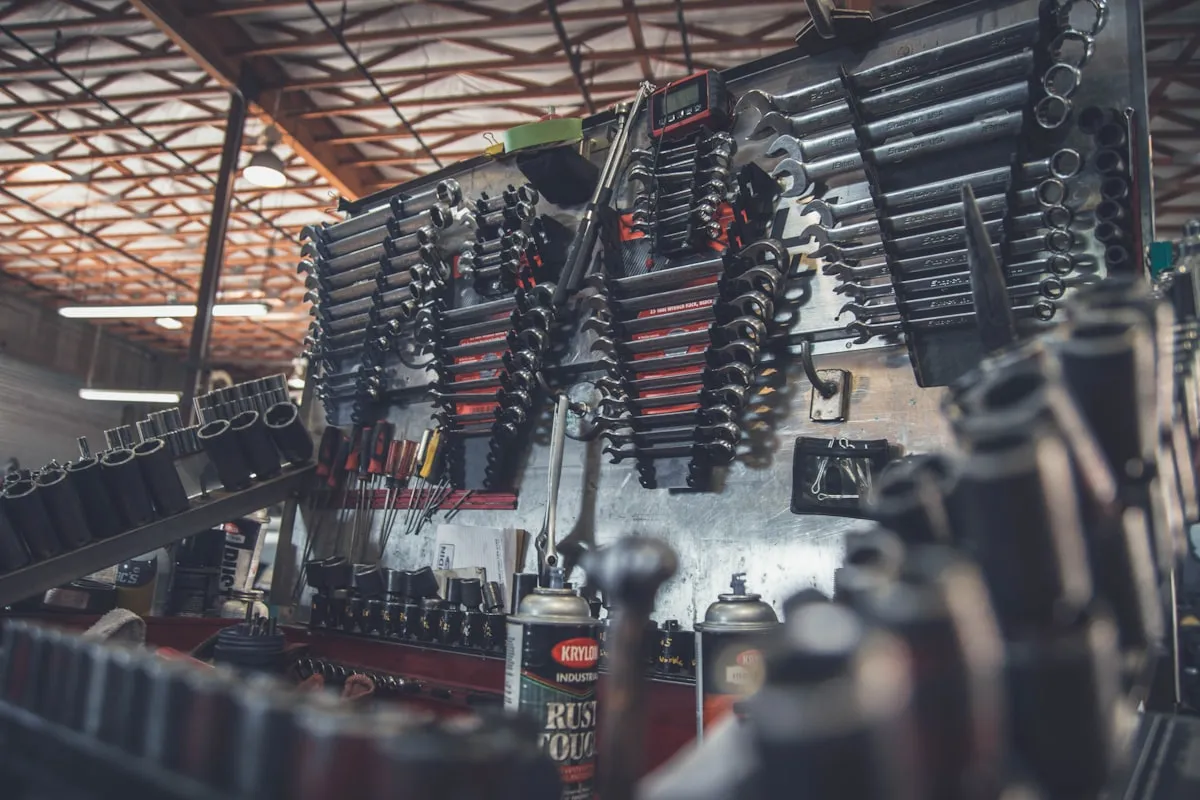
A basic tool roll. You do not need a full socket set. A multi-bit screwdriver, a pair of pliers, an adjustable wrench, a roll of electrical tape, and a handful of zip ties handle a surprising number of minor roadside repairs and improvised fixes. A small kit like this fits in a zipper pouch and weighs almost nothing.
Work gloves. A pair of mechanics’ gloves keeps your hands clean and protected when handling a dirty battery, changing a tire, or pulling debris from under the car. Throw them in the kit bag and forget about them until you need them.
A first aid kit. A basic one with bandages, antiseptic wipes, and gauze. Hopefully you never touch it, but it weighs four ounces and costs eight dollars.
Jumper cables (as backup). Even with a lithium jump starter, a set of 4-gauge or 6-gauge jumper cables is worth carrying. If your jump starter is dead or the battery is so depleted that the lithium unit cannot revive it, cables connected to another running vehicle provide more sustained current. A decent set runs $20-30 and lasts indefinitely.
Organize it and forget about it
The key to a useful emergency kit is organization. Throw everything into a single bag or small bin that lives in the trunk permanently. A canvas tool bag, a small plastic tote, or even a dedicated trunk organizer works fine. The goal is one grab — you pull the bag out and everything you need is in it.
Set a calendar reminder every three months to check the jump starter’s charge level and the inflator’s power. Replace the flashlight batteries annually. That is the entire maintenance commitment — five minutes, four times a year.
Helpful references
- AAA Roadside Assistance Wait Times — understand average response times in your area to appreciate the value of self-rescue gear
- NHTSA Tire Safety Guide — proper inflation, tread depth, and when to replace tires
Bottom line
A compact jump starter, a tire inflator, and a flashlight handle the three most common roadside situations, and the whole kit fits in a corner of your trunk for under $200. Buy it once, check it quarterly, and stop worrying about dead batteries and low tires when they happen at the worst possible time.