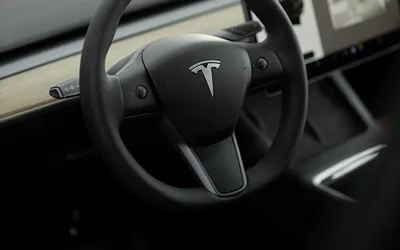
NHTSA upgraded its investigation into Tesla’s Full Self-Driving system this week, moving to an Engineering Analysis covering 3.2 million vehicles — Models S, 3, X, Y, and Cybertruck. This is the final step before a potential recall, and the core issue is straightforward: the system does not adequately detect degraded visibility conditions like sun glare and fog, and it does not warn drivers when it cannot see properly.
- NHTSA’s Engineering Analysis (EA26002) covers 3.2 million Tesla vehicles equipped with Full Self-Driving
- The investigation focuses on FSD’s camera-only system failing to recognize reduced visibility from sun glare, fog, and heavy rain
- Nine incidents have been linked to the issue, including one fatality
- This is the last investigative step before NHTSA can mandate a recall
- The probe raises broader questions about camera-only autonomous systems versus sensor fusion approaches used by other manufacturers
What NHTSA Actually Found
The agency’s concern is specific and worth understanding. Tesla’s FSD relies entirely on cameras — no radar, no lidar. When visibility degrades, cameras lose effectiveness the same way human eyes do. The difference is that a human driver instinctively slows down in fog or squints through glare. Tesla’s system, according to NHTSA’s findings, does not consistently recognize these conditions and does not hand control back to the driver or reduce speed on its own.
Nine incidents are tied to this failure mode. In at least one case, the result was fatal. NHTSA is not saying FSD causes crashes in clear conditions — the issue is specifically about what happens when the cameras cannot see well and the system does not acknowledge it.
Camera-Only vs. Sensor Fusion
This investigation highlights a fundamental design choice that separates Tesla from nearly every other manufacturer working on advanced driver-assist systems. Most competitors — GM’s Super Cruise, Ford’s BlueCruise, Mercedes’ Drive Pilot — use a combination of cameras, radar, and in some cases lidar. Each sensor type has different failure modes: cameras struggle in low light and glare, radar struggles with stationary objects, and lidar struggles in heavy precipitation.
The idea behind sensor fusion is redundancy. When one sensor degrades, another compensates. Tesla has argued that cameras alone can eventually match or exceed human perception through software improvements. NHTSA’s investigation suggests the software is not there yet, at least not for visibility edge cases that experienced drivers handle instinctively.
What This Means If You Own a Tesla
If you drive a Tesla with FSD, nothing changes immediately. NHTSA’s Engineering Analysis is an investigation, not a recall — though it often leads to one. If a recall is issued, it will likely come as an over-the-air software update rather than a trip to the dealer.
The practical takeaway is the same advice that has applied since FSD launched: treat it as an assist, not a replacement. Keep your hands on the wheel, stay focused on the road, and be especially cautious in conditions where you yourself would have trouble seeing. If you would slow down and pay extra attention in fog or low sun, your car’s cameras are struggling with the same conditions.
The Bigger Picture for Driver-Assist Systems
Every major automaker now offers some level of hands-on or hands-free highway driving assistance. The technology is genuinely useful — adaptive cruise with lane centering reduces fatigue on long drives, and automatic emergency braking prevents rear-end collisions every day. But there is a gap between what these systems can do and what their marketing implies.
Names like “Full Self-Driving,” “Autopilot,” and even “Super Cruise” suggest a level of autonomy that does not exist yet. NHTSA has been pushing for clearer naming conventions, and this investigation may accelerate that effort. For buyers shopping for a new car, the best approach is to evaluate driver-assist features based on what they actually do — not what the branding promises.
Helpful References
Bottom Line
NHTSA’s escalated probe is a reminder that driver-assist technology is still evolving, and no system on the market today is a substitute for an attentive driver. Whether you drive a Tesla or any other car with ADAS features, understanding the limitations of the system matters more than trusting the name on the feature list.