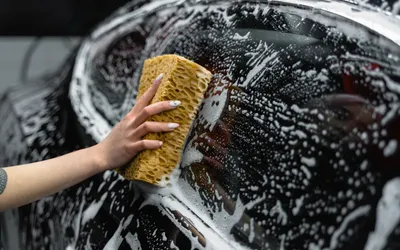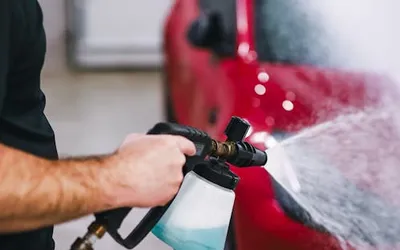
Salt removal is one of those tasks that sounds simple until the car is dirty enough that every wipe risks dragging abrasive grime across the paint. In winter, technique matters because cleaning and scratching can happen in the same session if you rush.
The best winter wash routine focuses on softening and flushing contamination away before the contact wash does the finishing work.
Key takeaways
- Use water and pre-rinse time to remove as much grit as possible before contact.
- Lower panels, wheel wells, and behind the wheels need extra attention.
- Winter washing is about safe removal, not chasing perfection every time.
- Dedicated towels and mitts help manage dirty-season contamination.
- A light protection layer makes the next winter wash easier.
Pre-rinse longer than you think you need to
A winter car can carry abrasive grime in every lower seam and panel edge. The safest move is to give the rinse stage real time so packed-on salt and dirt start leaving the surface before a mitt ever arrives.
That patience does more for paint safety than any fancy accessory.
Treat the lower half of the car like a separate job
Rockers, lower doors, bumpers, and wheel areas take the worst of winter contamination. Many owners benefit from treating those zones almost like their own wash stage, using separate tools or extra care before moving upward.
This reduces the chance of dragging the season’s worst grime across cleaner panels.
Winter washing should be maintainable
The right winter routine is one you can repeat without dread. That means focusing on safe removal, clear glass, decent wheel cleanup, and enough protection that the next wash goes easier—not trying to create a show-car finish in freezing conditions.
A realistic routine protects the car better over the season than a heroic wash done once.
Helpful references
Bottom line
Small choices made at the right time usually outperform dramatic changes made at the wrong time. Whether the topic is tires, cleaning, or bolt-on upgrades, the best result comes from getting the fundamentals right first.
That approach makes the car easier to enjoy immediately and gives every later modification or maintenance decision a stronger foundation.