
Road-trip connectivity is easiest to appreciate when it stops being a hassle. Good mounts, reliable charging, and clean phone integration mean less fumbling for directions, less cable clutter, and less stress when the car becomes your office, playlist, and navigation hub for the day.
Summer trips put those systems to work harder than short commutes do. That makes now a good time to sort out the basics.
Key takeaways
- A stable phone mount is the first upgrade to get right.
- Reliable charging matters more in hot weather and on longer trips.
- Wireless convenience is nice, but simple wired solutions can still be best.
- Keep apps and hardware updated before departure.
- The best setup reduces distraction instead of adding more screens and clutter.
Mount the phone where it helps instead of distracts
A good mount keeps the screen readable with a quick glance and prevents the phone from bouncing around on rough roads. That sounds obvious, but a poor mount turns every navigation check into a distraction.
Mount position also matters for airflow and visibility. Do not solve one problem by creating two more.
Plan your charging around heat and constant use
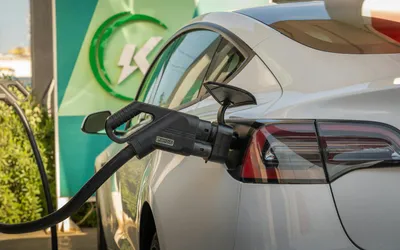
Navigation, streaming, and high brightness can drain battery faster than many drivers expect, especially in summer. A dependable charger and cable setup keeps the trip smoother and avoids the low-battery scramble at the worst moment.
This is one reason simple gear often wins. You want the power setup that works every time, not the one with the fanciest packaging.
Test the whole system before the trip
Whether you rely on CarPlay, Android Auto, Bluetooth audio, or a standalone mount-and-cable setup, test it before you leave town. Make sure the phone connects, the navigation audio is clear, and the charging rate is strong enough for real use.
A few minutes of setup at home beats troubleshooting in a rest stop parking lot.
Helpful references
Bottom line
Automotive technology is easiest to judge when it is tied back to real ownership. If a feature improves safety, charging confidence, usability, or planning, it matters. If it only sounds futuristic, it probably needs a second look.
That filter helps readers separate genuine value from launch-week noise and makes the article age better over time.