Every automaker now offers a companion app that promises to start your car, warm the cabin, check tire pressure, and lock the doors from your phone. The marketing makes it look seamless. The reality is that some of these features genuinely change your morning routine, while others are clunky enough that you stop using them within a week.
Key takeaways
- Remote start with climate preconditioning is the single most-used connected feature in cold climates
- EV preconditioning is more effective than ICE remote start because it heats the cabin without idling
- Most drivers use lock/unlock and remote start regularly but ignore 80% of their car app’s other features
- Subscription fatigue is real — many connected features now require ongoing payment after a trial period
- Aftermarket remote start systems remain a solid option for vehicles without factory connectivity
Remote start: the feature that actually earns its keep
Remote start has been around for decades in aftermarket form, but factory integration has made it far more reliable. On a 15-degree morning, hitting the start button from your kitchen five to ten minutes before you leave means a warm cabin, a defrosted windshield, and an engine that’s already reached operating temperature. It changes the experience completely.
For gas and diesel vehicles, remote start typically runs the engine at idle with the climate system set to your last configuration. Most factory systems shut off after ten to fifteen minutes if you don’t enter the vehicle. The engine runs locked, so security isn’t compromised. Aftermarket systems from companies like Compustar and Viper offer similar functionality with smartphone integration if your vehicle didn’t come equipped.
The real-world limitation is range and connectivity. Factory key fob remote start usually works within a few hundred feet. App-based start depends on cellular connectivity to the vehicle, which means it needs an active telematics subscription. If you park in an underground garage or a dead zone, the app won’t reach the car. That’s the kind of detail the brochure skips.
EV preconditioning does it better
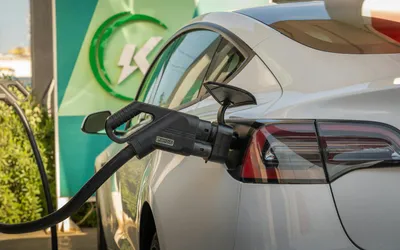
Electric vehicles handle preconditioning differently, and frankly, they do it better. Because the battery can heat the cabin through the climate system while still plugged in, you’re not consuming range or burning fuel. The cabin warms up, the battery reaches optimal temperature for driving, and you unplug with a full charge and a comfortable interior.
Tesla, Hyundai, Kia, Ford, and most other EV makers include scheduled preconditioning that activates before your usual departure time. Set it once and the car prepares itself every weekday morning at 7:15 or whenever you leave. Some systems learn your routine and adjust automatically.
The battery thermal management aspect matters just as much as cabin heat. Cold lithium-ion batteries accept regenerative braking poorly and deliver reduced range. Preconditioning warms the pack so you get normal regen and normal range from the moment you pull out of the driveway. Drivers who skip preconditioning in winter regularly report 20-30% range loss on short trips.
What most drivers actually use versus what gets ignored
Looking at how people interact with their car apps in practice, a pattern emerges quickly. Remote start and lock/unlock account for the vast majority of app interactions. Vehicle location (finding your car in a parking lot) gets occasional use. Everything else — maintenance reminders, driving behavior scores, trip logs, valet mode alerts — sits untouched for most owners.
Some features are genuinely useful but poorly executed. Tire pressure monitoring through the app sounds convenient, but if it takes 30 seconds to load and doesn’t push a notification when pressure drops, nobody opens it proactively. The same applies to fuel level or charge status. If the information isn’t immediate and glanceable, people just check it when they get in the car.
The scheduled maintenance notification is a good idea undermined by implementation. Most apps just parrot the manufacturer’s mileage-based schedule without accounting for your actual driving conditions. A reminder to change oil at 7,500 miles when you’ve been doing mostly short trips in cold weather isn’t helpful — it should be sooner.
The subscription problem
Here’s the part that frustrates owners more than anything: features that worked for free during the trial period suddenly require a monthly or annual subscription. GM, Toyota, BMW, and others have moved remote start, app connectivity, and some safety features behind a paywall after the initial complimentary period ends.
Toyota charges for remote start through the app even on vehicles with hardware that supports it natively. GM’s OnStar plans bundle remote start with other connected services. BMW experimented with subscriptions for heated seats before backing off after customer backlash. The trend is clear — automakers see connected features as recurring revenue.
For buyers evaluating new cars, understanding the ongoing cost of connectivity matters. A three-year complimentary subscription sounds generous until year four arrives with a $200 to $300 annual bill. Aftermarket remote start, by contrast, is a one-time purchase. The trade-off is installation complexity and potentially voiding some warranty coverage, but the economics over a five-year ownership period often favor the aftermarket route.
Aftermarket still makes sense for many drivers
If your car lacks factory remote start or the subscription cost doesn’t sit well, aftermarket systems remain capable and proven. Compustar, Viper, and iDatalink offer systems that integrate with your vehicle’s CAN bus for clean installation. Professional installation typically runs $200 to $500 depending on the vehicle and feature set.
Modern aftermarket systems include smartphone control through their own apps — Drone Mobile for Compustar, Smart Start for Viper. These use a cellular module added to the vehicle, usually with a modest annual service fee ($50 to $80 per year). That’s still less than most factory telematics subscriptions, and the feature set is focused on what you actually use: start, lock, unlock, locate.
The main drawback is that aftermarket installs require tapping into the vehicle’s wiring. On newer cars with complex electrical architectures, this needs to be done by an experienced installer. A cheap install by an inexperienced shop can cause electrical gremlins that are expensive to chase down. Pay for quality installation upfront.
Helpful references
- Consumer Reports — Connected Car Feature Ratings
- Compustar — Remote Start Systems
- KBB — Cars With Remote Start
Bottom line
Remote start and climate preconditioning are the connected features that genuinely improve daily life in cold weather. Everything else in the app is a bonus at best. Before paying for a subscription, figure out which features you’ll actually use more than twice, and consider aftermarket if the answer is just “start my car.”